The Armenian Studies Group brings together researchers, writers, artists, journalists, educators, students, photo-essayists, and creative practitioners working across all areas of Armenian Studies to share works in progress, test emerging ideas, and engage in stimulating, constructive conversation. At its heart, the Armenian Studies Group seeks to cultivate a supportive interdisciplinary environment where research and creative practice evolve through dialogue, curiosity, and collaborative reflection. If you want to join the Armenian Studies Group, click here.
This meeting (in English) will be chaired by Dr. Tamara Wilson.
Please RSVP by emailing mariana@armenianinstitute.org.uk - note that the event will be hosted online.
About the Speaker
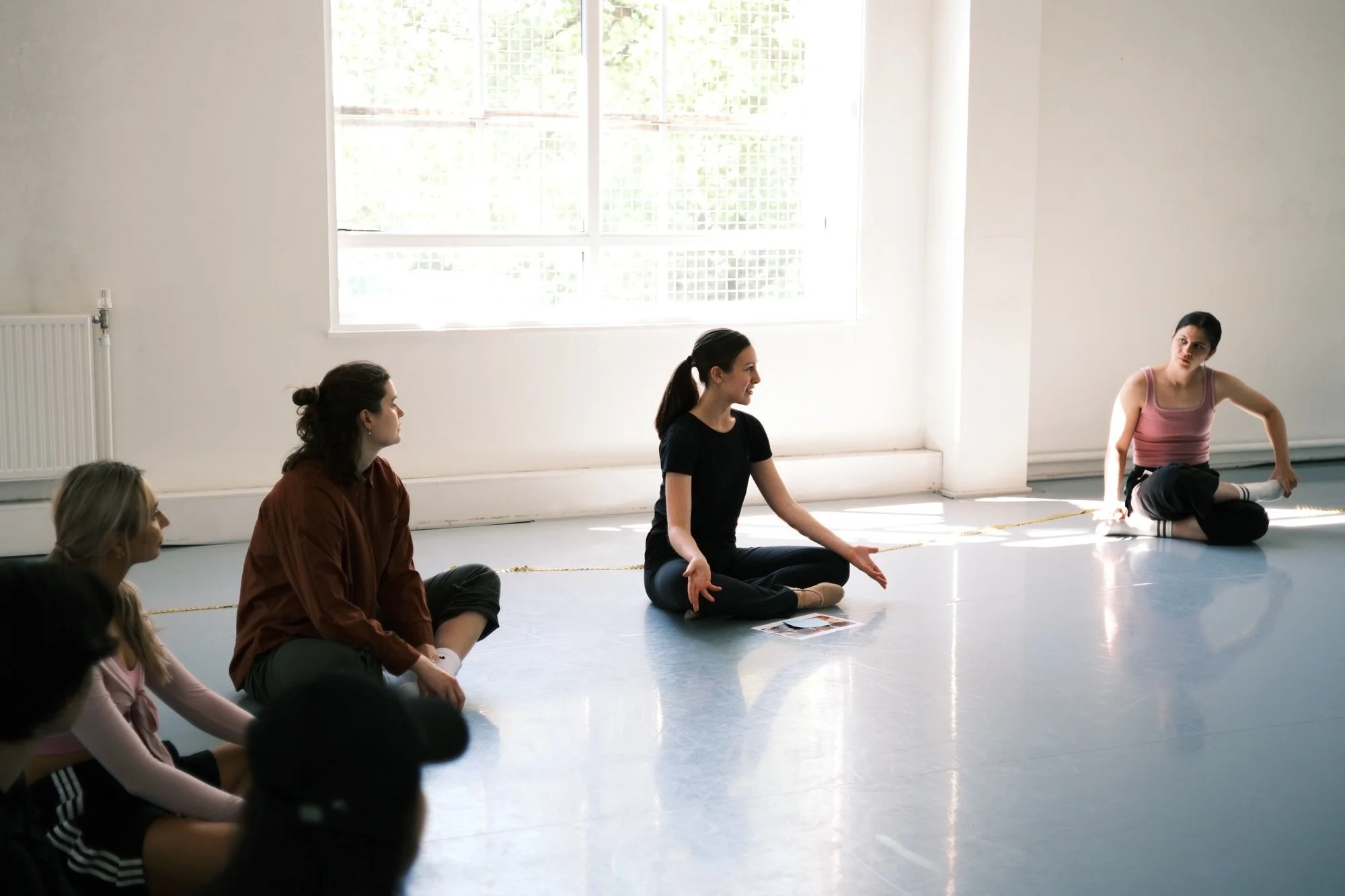
Emma Silagy is a creative movement practitioner and dance teacher from Long Beach, California. She engages in practice-based work, encouraging the art of expression with an emphasis on attaining proficiency in ballet, contemporary and modern dance techniques. Emma explores and instructs movement in both studio- based and community-based settings, eagerly pursuing connection in the joys and benefits of dance. Collaboration and communication are key facilitators in her practice, as she strives to provide spaces of kindness and inclusivity for all.
Emma earned a Bachelor of Arts in Dance at California State University, Long Beach, graduating summa cum laude in 2019. She is currently pursuing an MFA in Dance and Embodied Practice at the University of Roehampton in London, England.
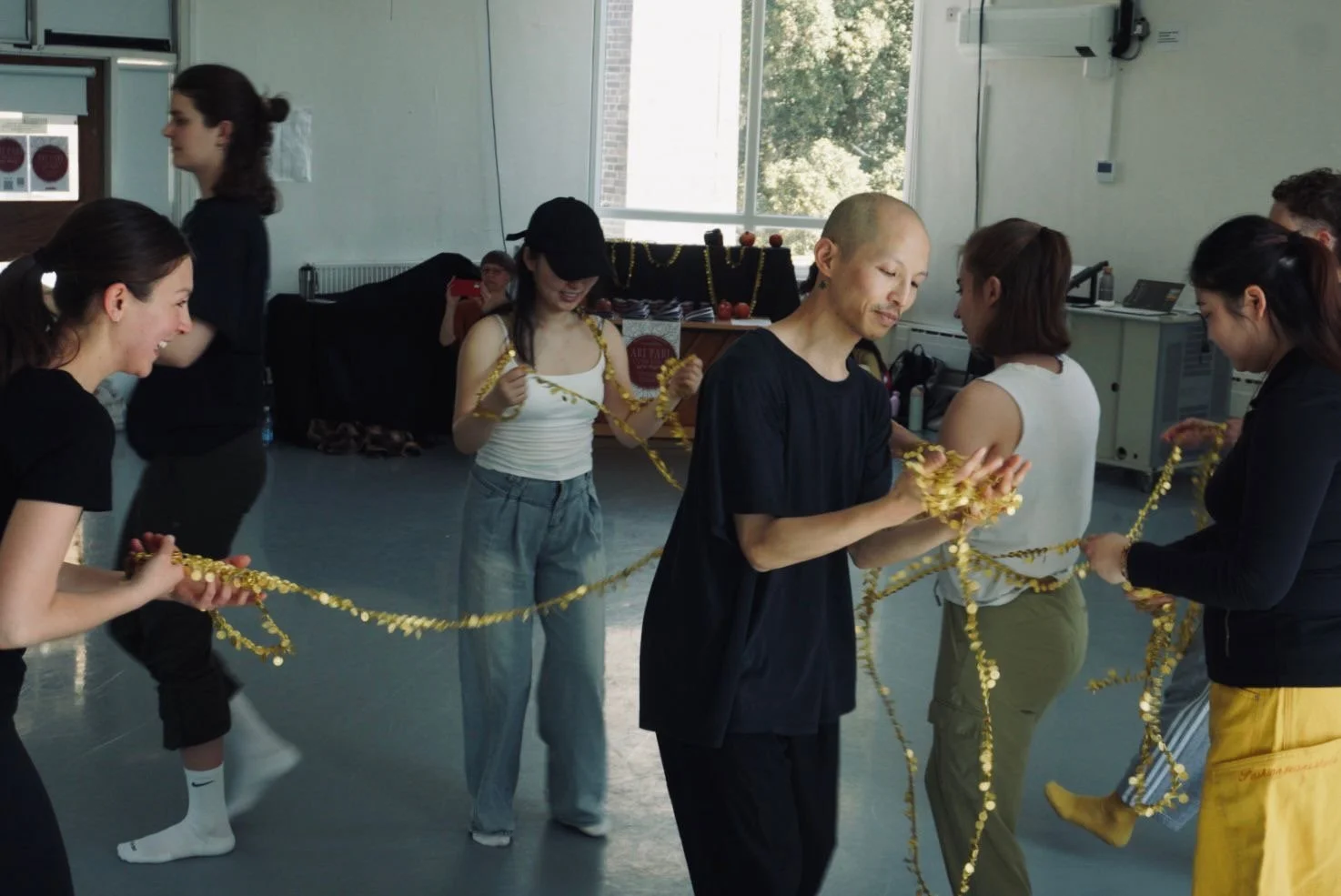
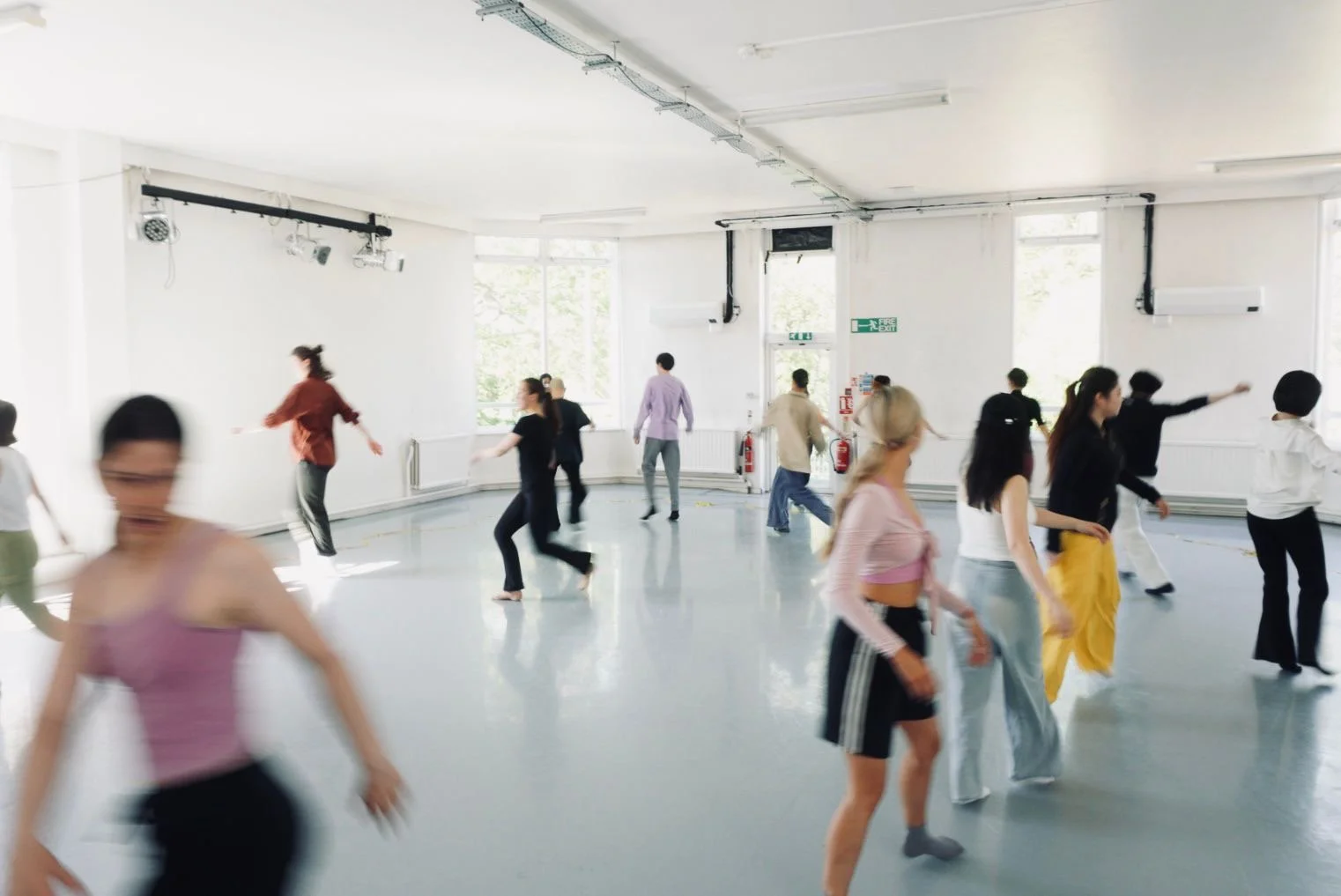
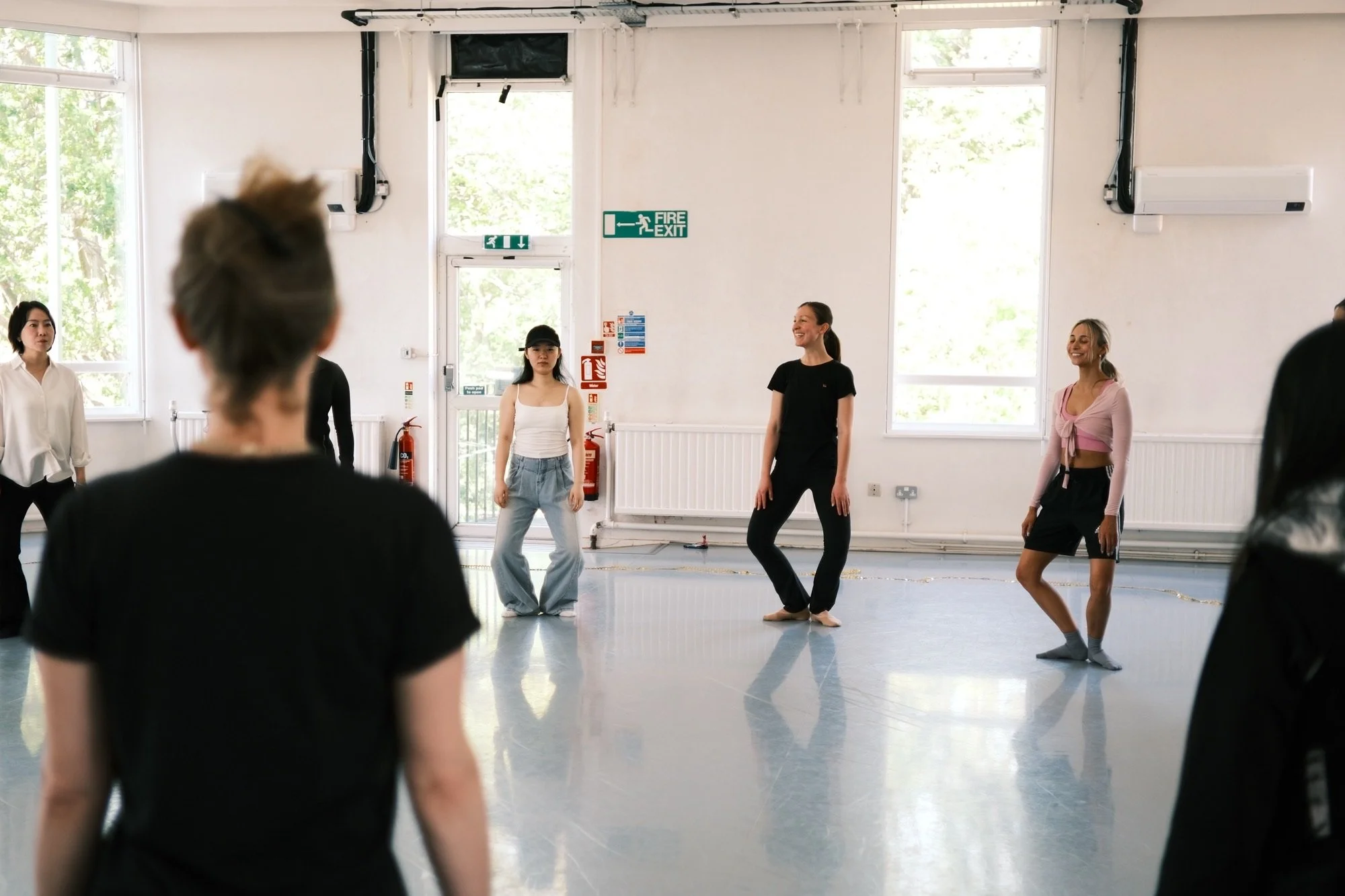
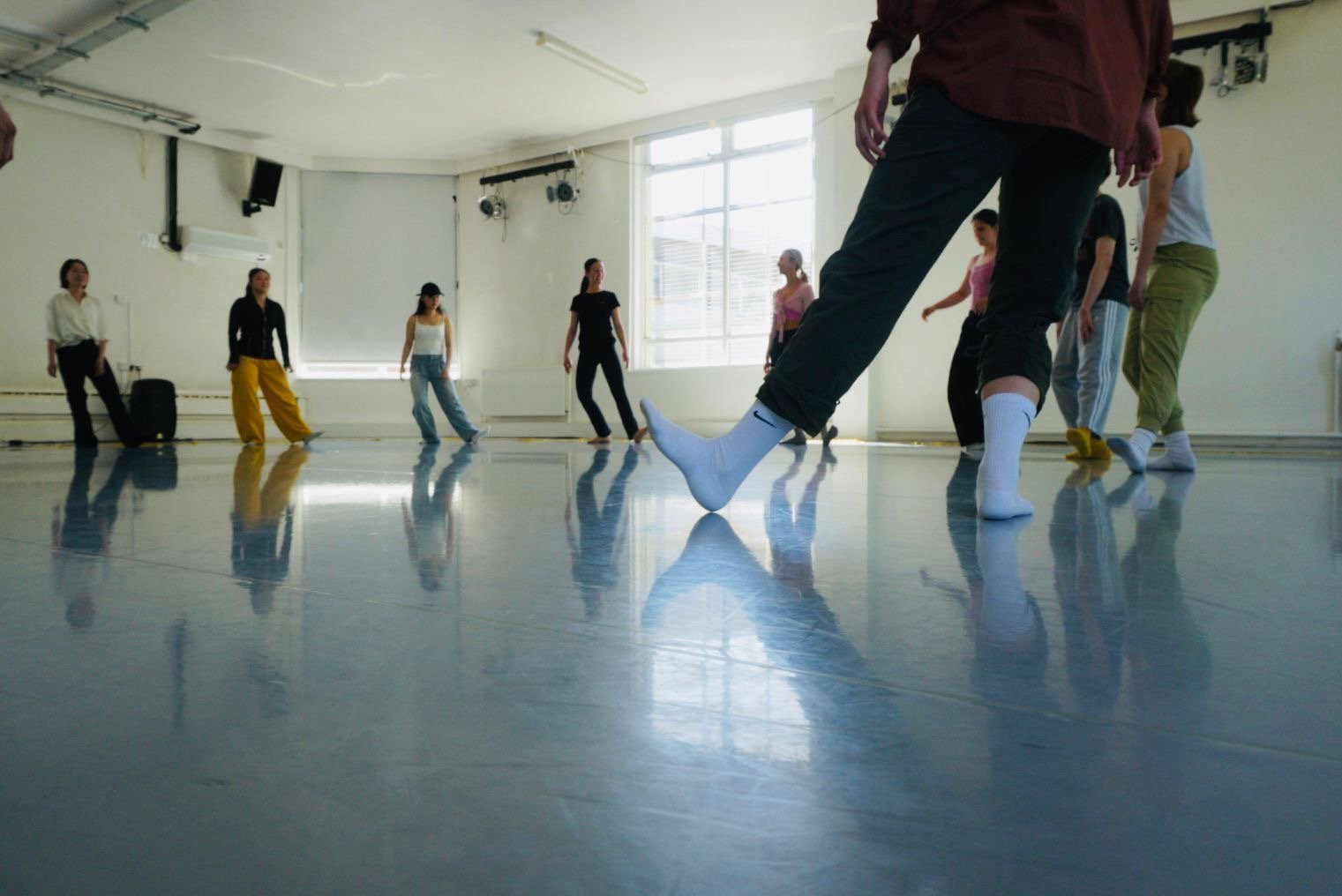
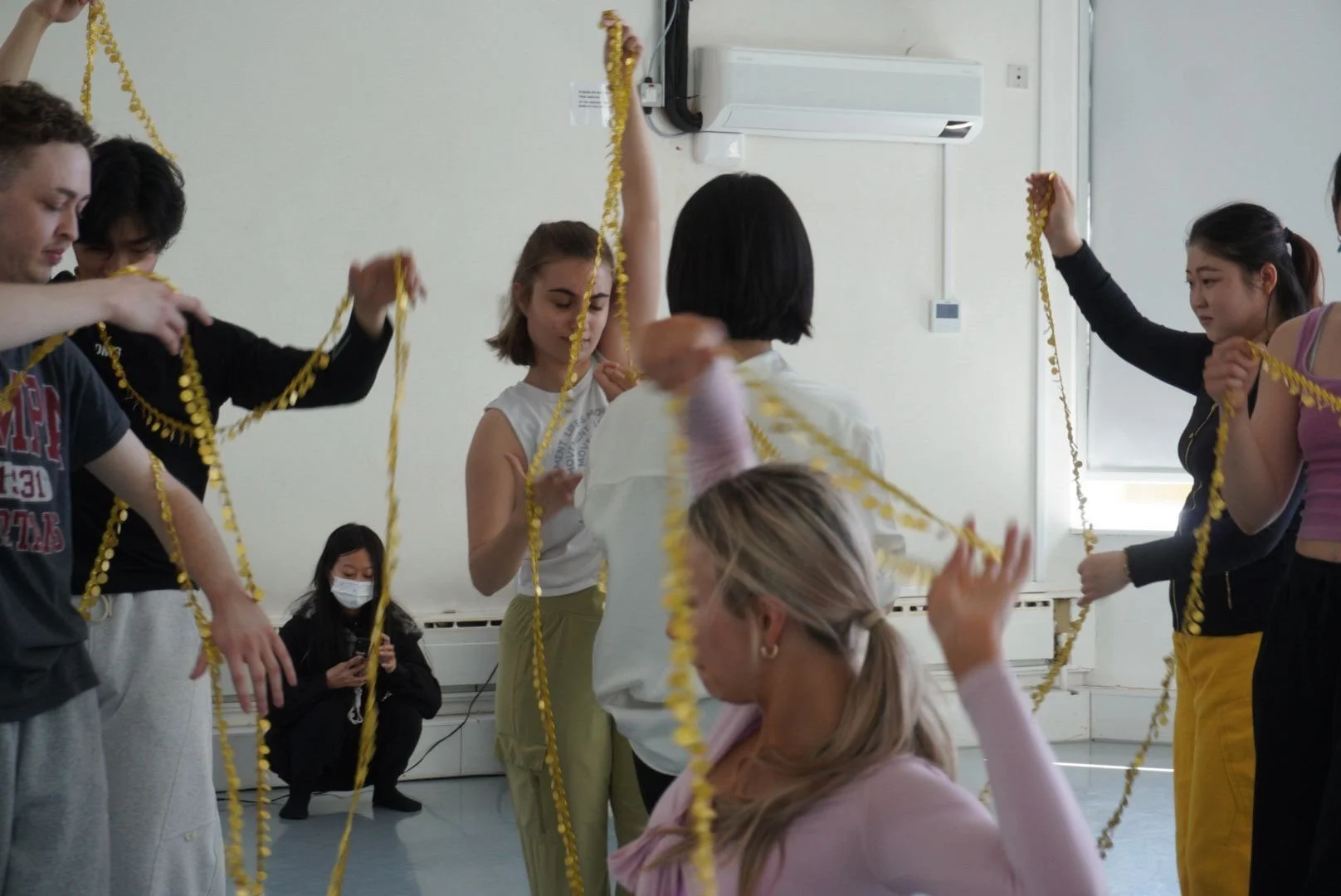
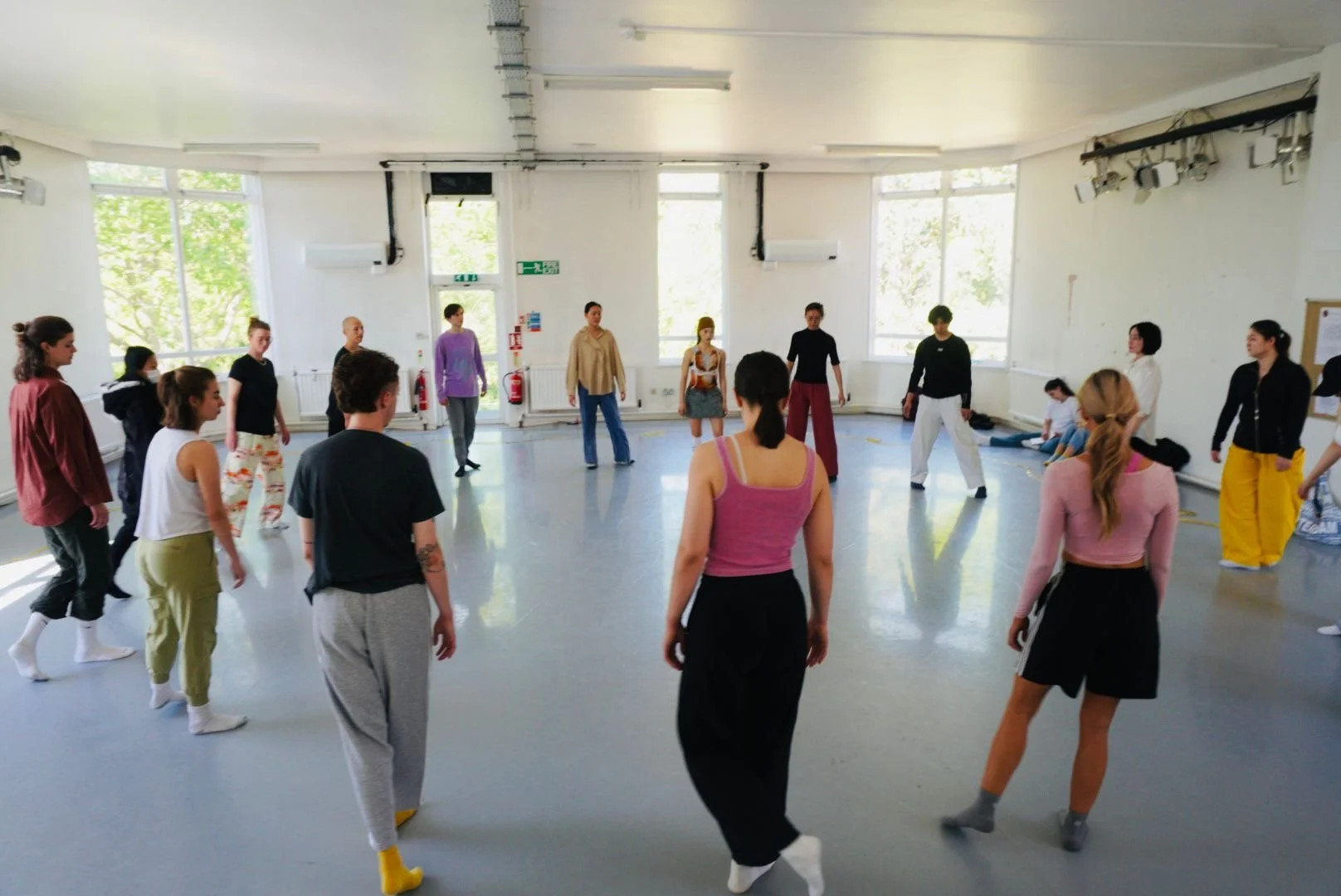
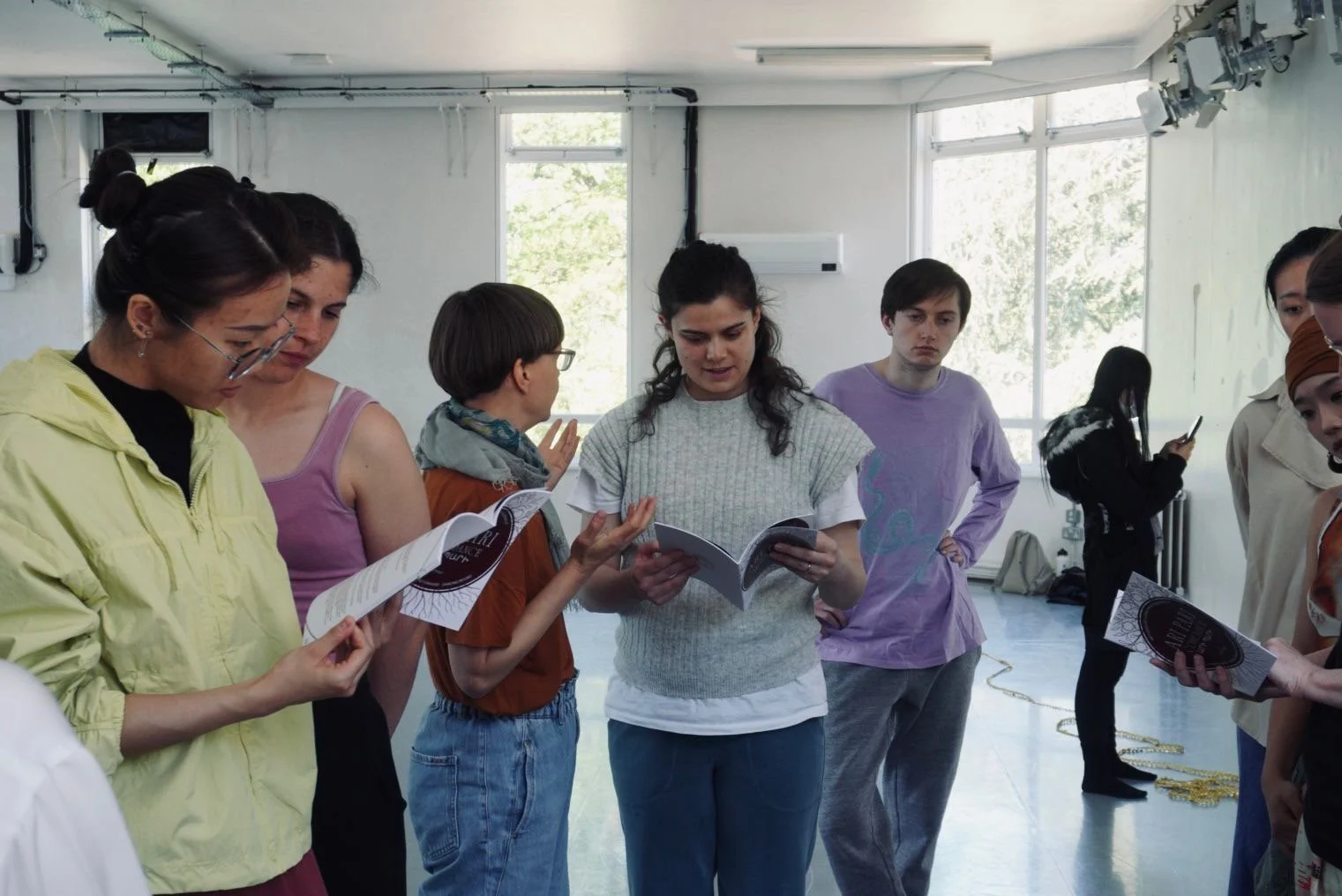
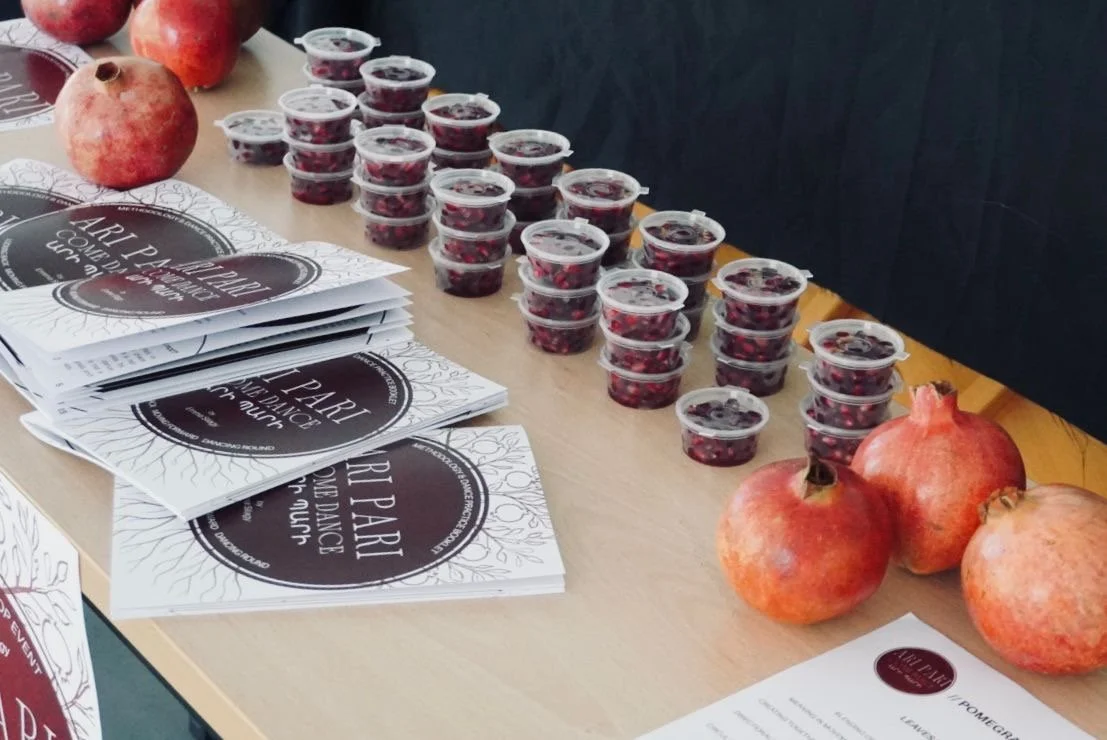
Ari Pari (Armenian for “Come, Dance”) explores the role of dance as a living archive of Armenian memory, identity, and belonging. Drawing on the vibrant heritage of Armenian folklore, the project reimagines traditional dance forms such as Kochari, Kertsi, Sepastia bar, Lorke and Berd, not as a static cultural inheritance but as a dynamic, embodied practice through which history, language, emotion, and communal wisdom are transmitted across generations and throughout the diaspora.
In reconfiguring dance as a site where cultural continuity is perpetually negotiated through performance, participation, and collective memory, Emma’s presentation underscores its role in the reproduction of Armenian identity while remaining responsive to changing social and diasporic contexts. Through an interdisciplinary lens that brings together performance, memory and cultural studies, Ari Pari highlights dance as both cultural preservation and creative renewal, demonstrating how movement itself becomes a language through which history, belonging, and cultural continuity are transmitted.