They Won Through Living
Apr
11
to 11 May

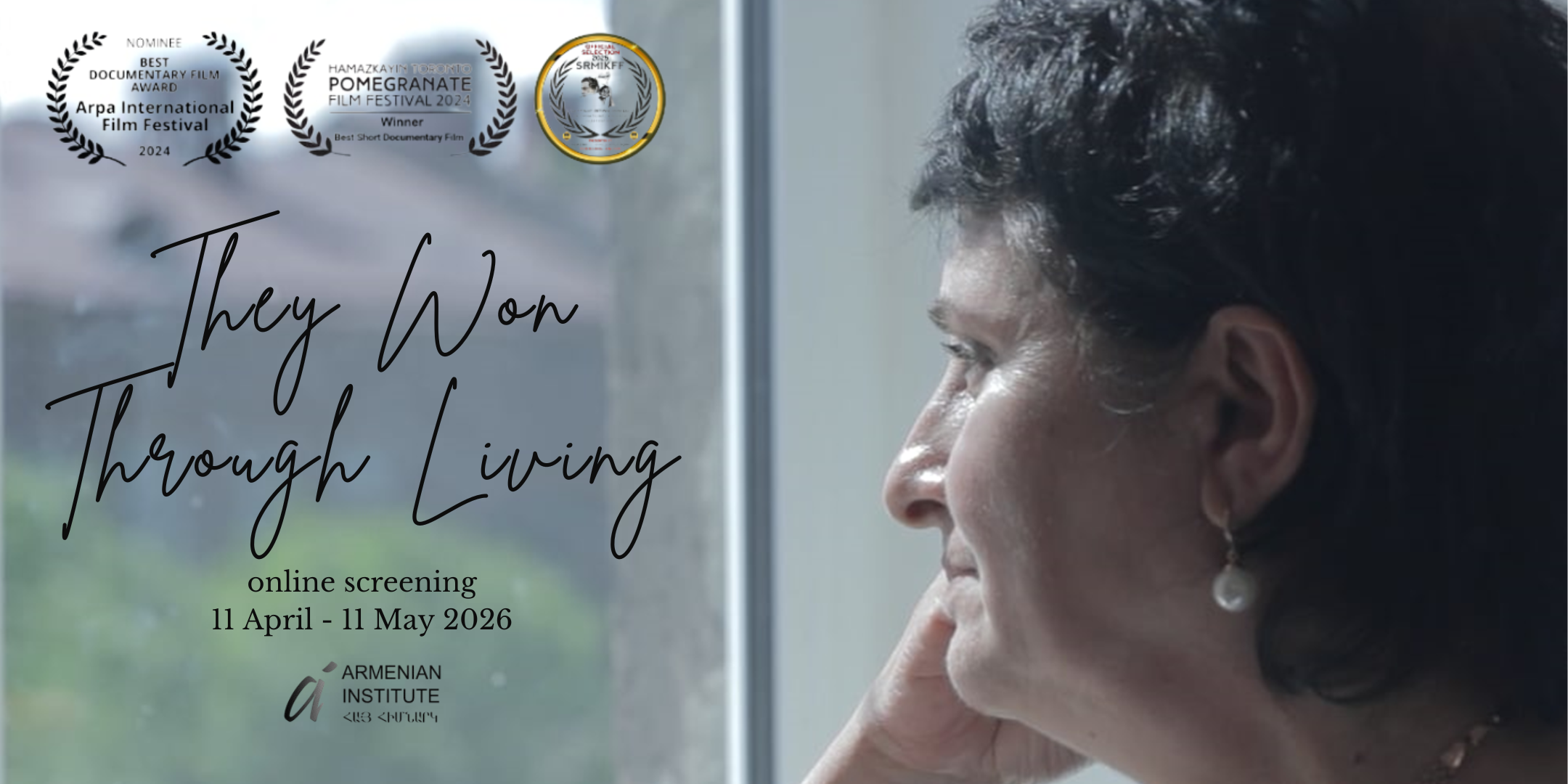
They Won Through Living

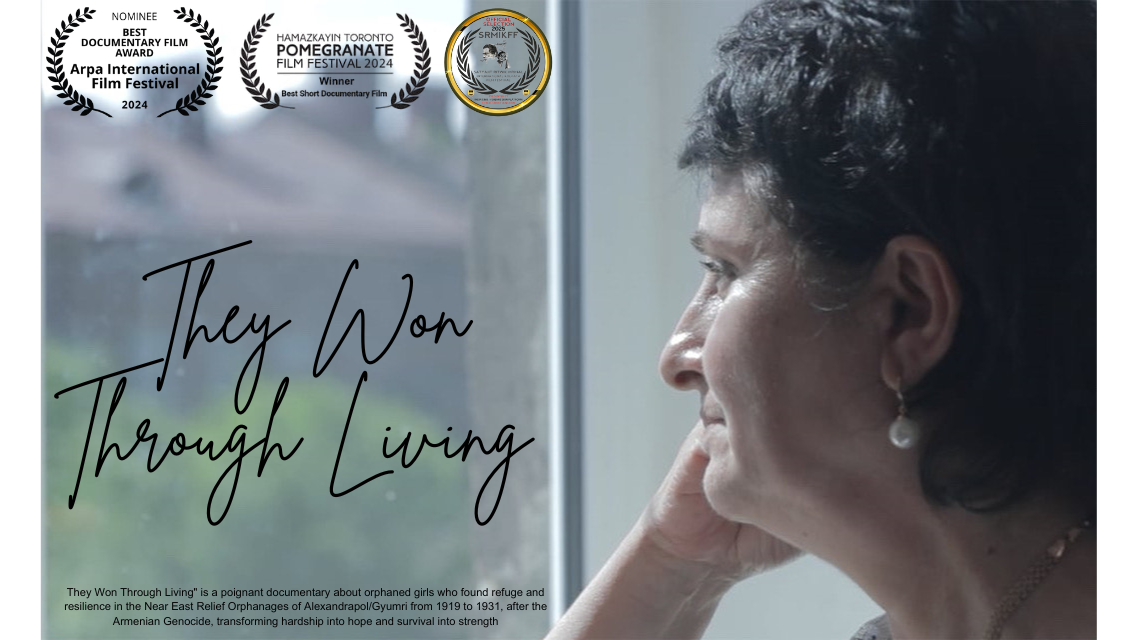
They Won Through Living is a documentary that delves into the lives of orphaned girls who found refuge and resilience in the Near East Relief Orphanages in Alexandrapol/Gyumri during the turbulent years from 1919 to 1930/31. Directed by Ani Manukyan and produced by Lilit Mkhitaryan, the 55-minute film is based on the book of the same name and weaves together the voices of survivors with those of their daughters and granddaughters, who reflect on the lasting legacy of survival and memory passed down through generations.

The documentary is presented in Armenian with English subtitles.

They Won Through Living will be available for screening from April 11 to May 11, as part of our commemorative programme marking the 111th anniversary of the Armenian Genocide.

About the Director

Ani Manukyan is a linguist, holding a PhD in English Teaching Methodology. She also specializes in American Studies. Her experience includes being a visiting scholar at Arizona State University’s School of Historical, Philosophical, and Religious Studies in 2013, where she developed a course on American Studies for Armenian Universities. In 2014, A. Manukyan contributed to Yerevan State University’s joint MA program with ASU by creating two courses focused on women’s leadership and political transition. Passionate about translation, she has brought important works from Armenian to English and vice versa, most notably translating Souren Hannesian’s “Through the Depths”, a survivor’s account of the Armenian Genocide. Following the release of “They Won Through Living”; in 2022, A. Manukyan continued her literary journey with the publication of her second book, “Crossed Destinies” (novel, 2023). Through her work, she endeavor to preserve and share the stories of resilience and strength that define her heritage.

View Event →
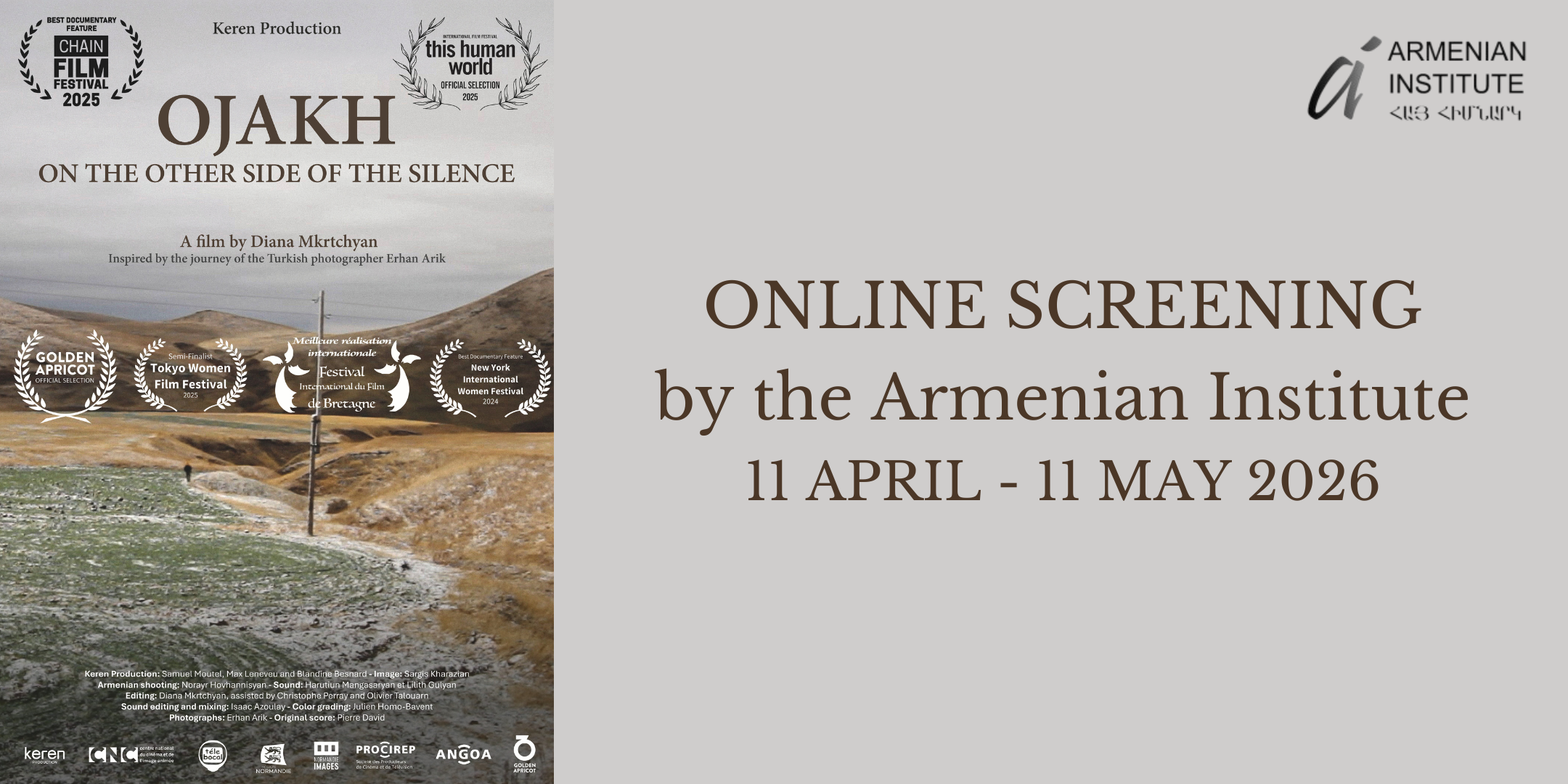
Ojakh, on the other side of silence
Apr
11
to 11 May

Ojakh, on the other side of silence

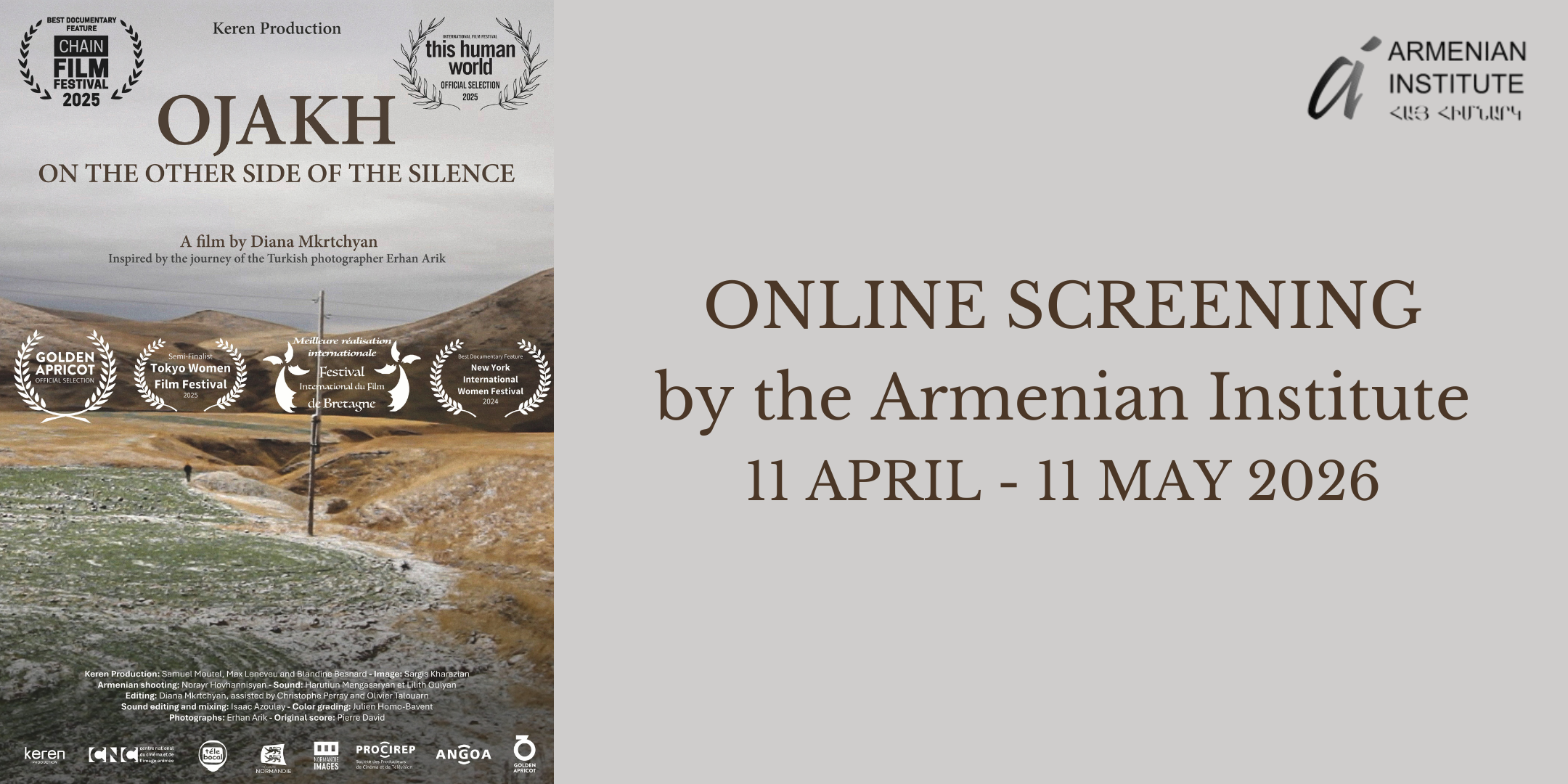
Erhan Arik, a Turkish photographer, grew up in a house where Armenians once lived, driven out by the massacres in 1915. He had never been interested in this episode of history. In a dream, a voice asks him: “Why did you turn that room into a barn, where my wife used to make bread?” He wakes up with a jolt. The voice continues to haunt him. He then decides to set out to meet Armenians. This film tells the story of this journey. On the other side of the border, on the other side of the silence...

A film by Diana Mkrtchyan, inspired by the journey of the Turkish photographer Erhan Arik.

The film is presented in Armenian, French and Turkish with English subtitles.

Ojakh, on the other side of silence will be available for screening from April 11 to May 11, as part of our commemorative programme marking the 111th anniversary of the Armenian Genocide.

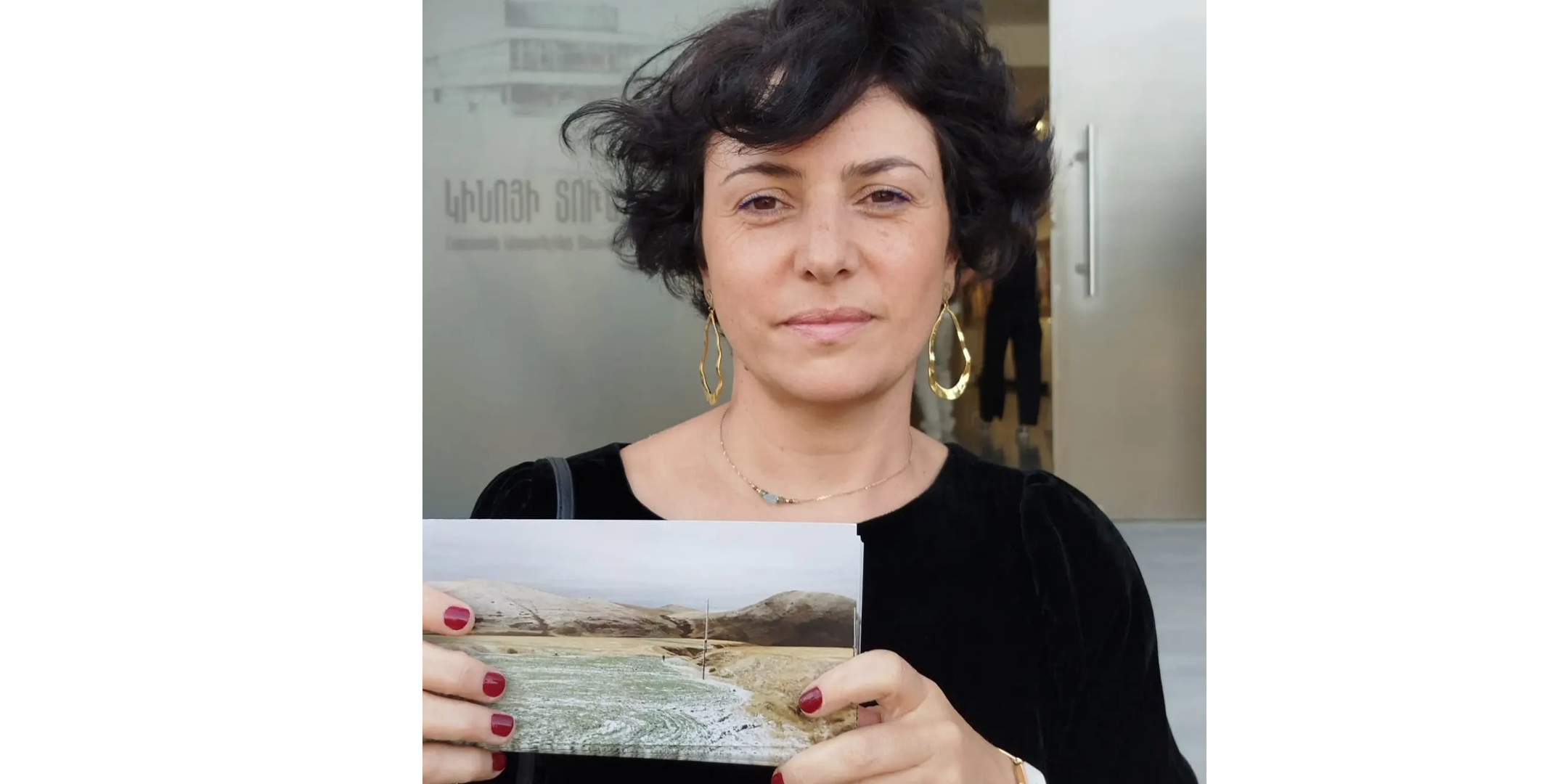
About the Director

Diana Mkrtchyan grew up in Armenia and graduated in Cinematographic Studies in Moscow. She is the author of five documentary films. Her first short fiction film, Gata, was selected for the Cannes Film Festival in 2008 and received numerous awards at international festivals. “Ojakh: on the other side of silence” is her first feature documentary. The film has already received several international awards, including Best Director in France and Best International Documentary in New-York.

Filmography (selected) Le don de St. Nikolaï (doc., 2007) Gata (short, 2008). Ojakh, on the Other Side of the Silence (2024).

View Event →
Dancing from the Mountains: 10 years of the Transcaucasian Trail
Apr
15
6:30 pm18:30

Dancing from the Mountains: 10 years of the Transcaucasian Trail

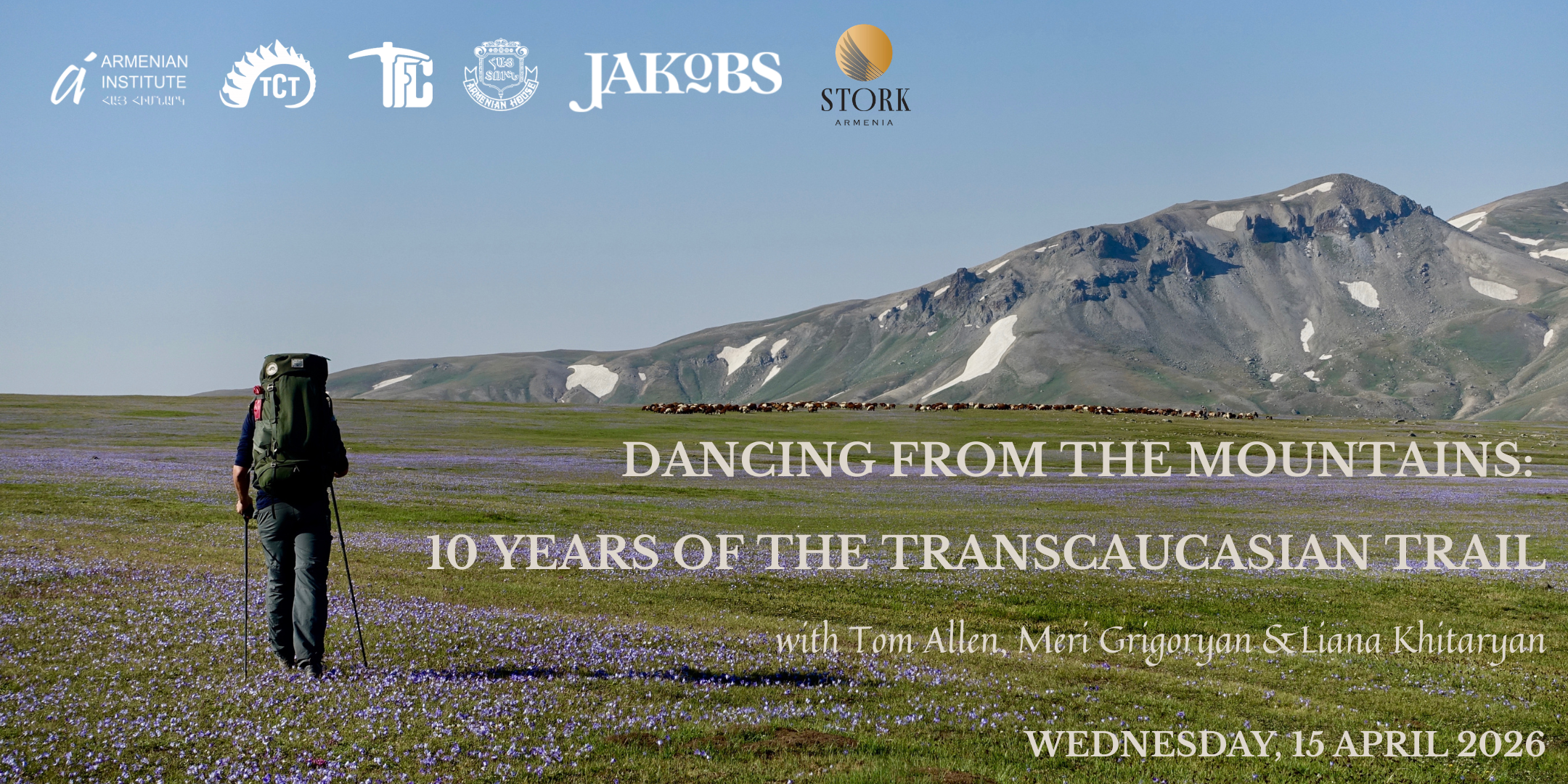
This spring, join the Transcaucasian Trail and the Armenian Institute for a special evening celebrating 10 years of one of the world’s most ambitious long-distance hiking projects. Stretching across the dramatic landscapes of the South Caucasus, the Transcaucasian Trail is a sustainable, world-class route that will eventually span 3,000 km across forests, mountains, canyons, and rivers, connecting local communities and remarkable cultural heritage sites along the way.

On Wednesday, 15th April, at the Armenian House in London, be inspired by extraordinary stories from one of the trail’s co-founder, Tom Allen, alongside project leaders Meri Grigoryan and Liana Khitaryan, as they share what it takes to build a cross-border trail that blends outdoor exploration, sustainable infrastructure, education, and community development.

Together, we will celebrate how far the trail has come, and imagine the miles still to explore, while enjoying a demonstration of traditional Armenian dancing, Armenian wine, and local delicacies from the community’s much-loved Jakob’s restaurant.

The ticket price includes the light supper buffet and a glass of Armenian wine.

This event is held in partnership with The Transcaucasian Trail and Trails for Change. Thanks also to Jakob's and Stork Wines for the food and wine.

About the Speakers

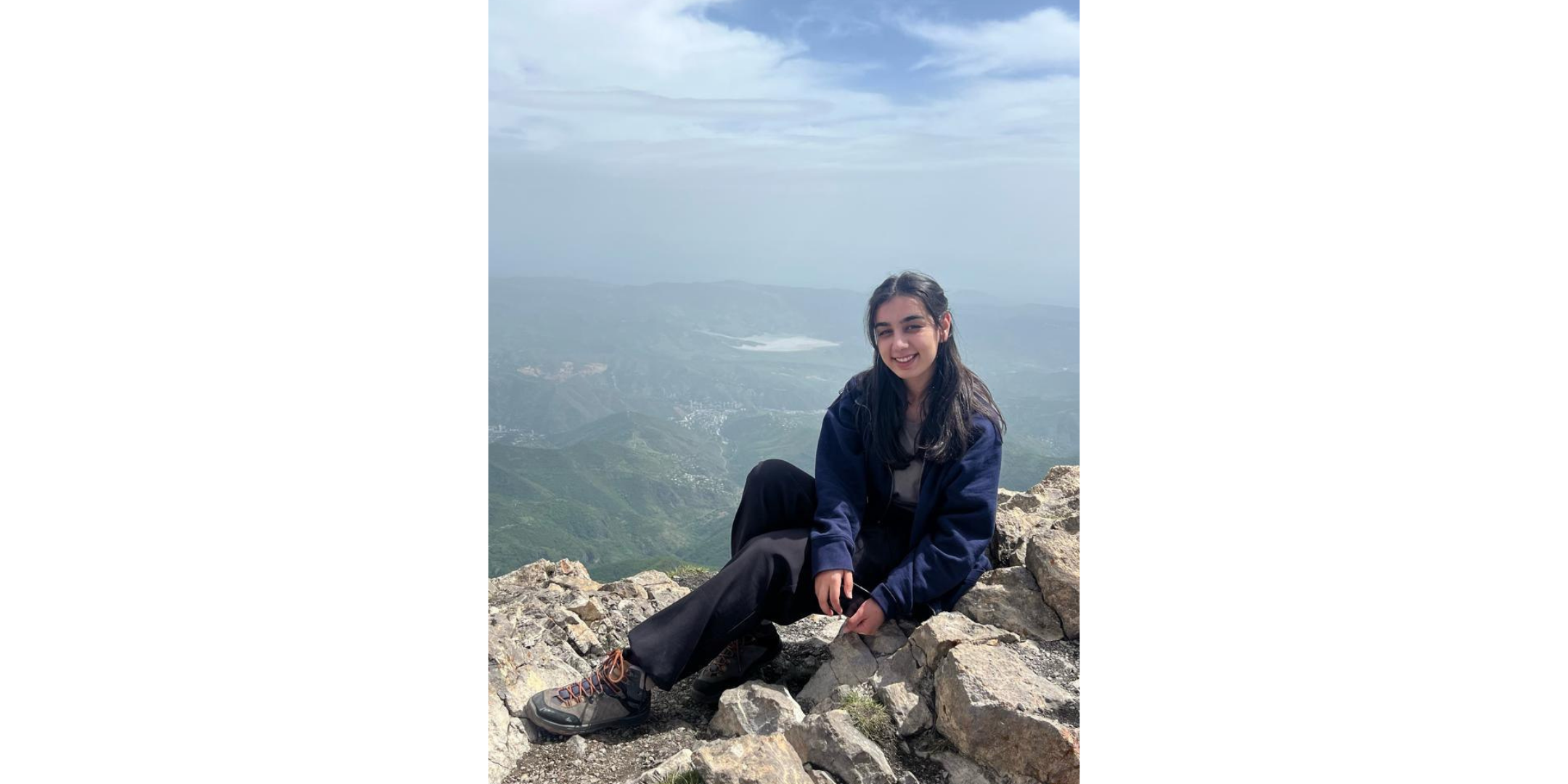
Meri Grigoryan’s journey in trail projects began in 2019 with People in Need, coordinating the development of the Legends Trail in Syunik, a 150 km section of the Transcaucasian Trail. She joined the Transcaucasian Trail Armenia in 2022, initially managing the youth educational program and organising trail-building camps for young people across Armenia. With over four years of experience working with youth, she is passionate about combining education, outdoor experiences, and community development. Meri now leads Trails for Change, the Transcaucasian Trail’s partner organization in Armenia, overseeing fundraising, partnerships, and the smooth implementation of programs, while also serving as the country representative of the Transcaucasian Trail.

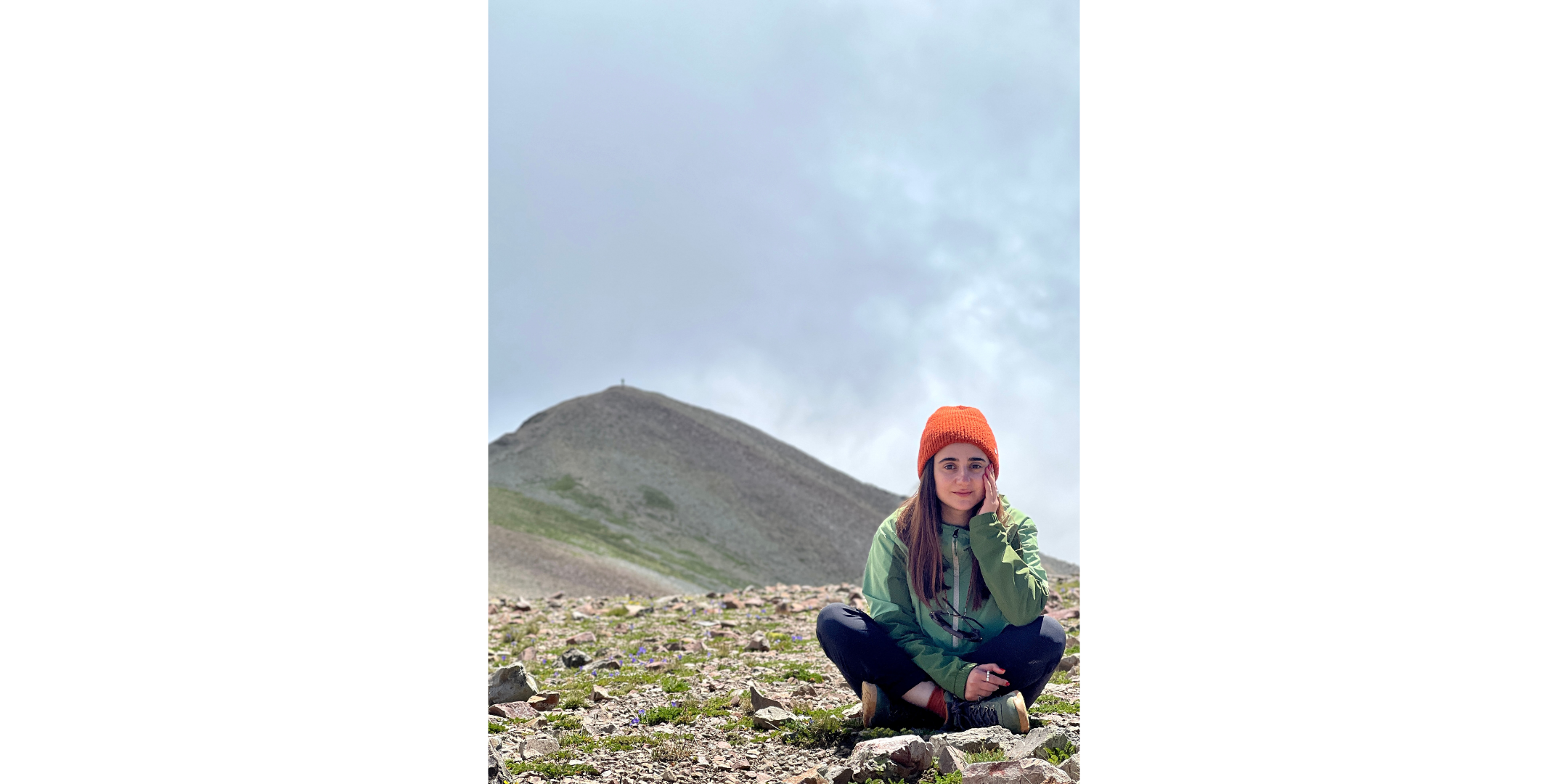
Liana Khitaryan is a Tour Manager at the Transcaucasian Trail, advancing community development, cultural initiatives, immersive local experiences, and sustainable infrastructure projects. She is experienced in coordinating large-scale tours and delivering programs from concept to completion. Liana is also a Trail Construction Project Manager at Trails for Change, focusing on sustainable trail development, community engagement, and building safe, accessible, and environmentally responsible trail networks.

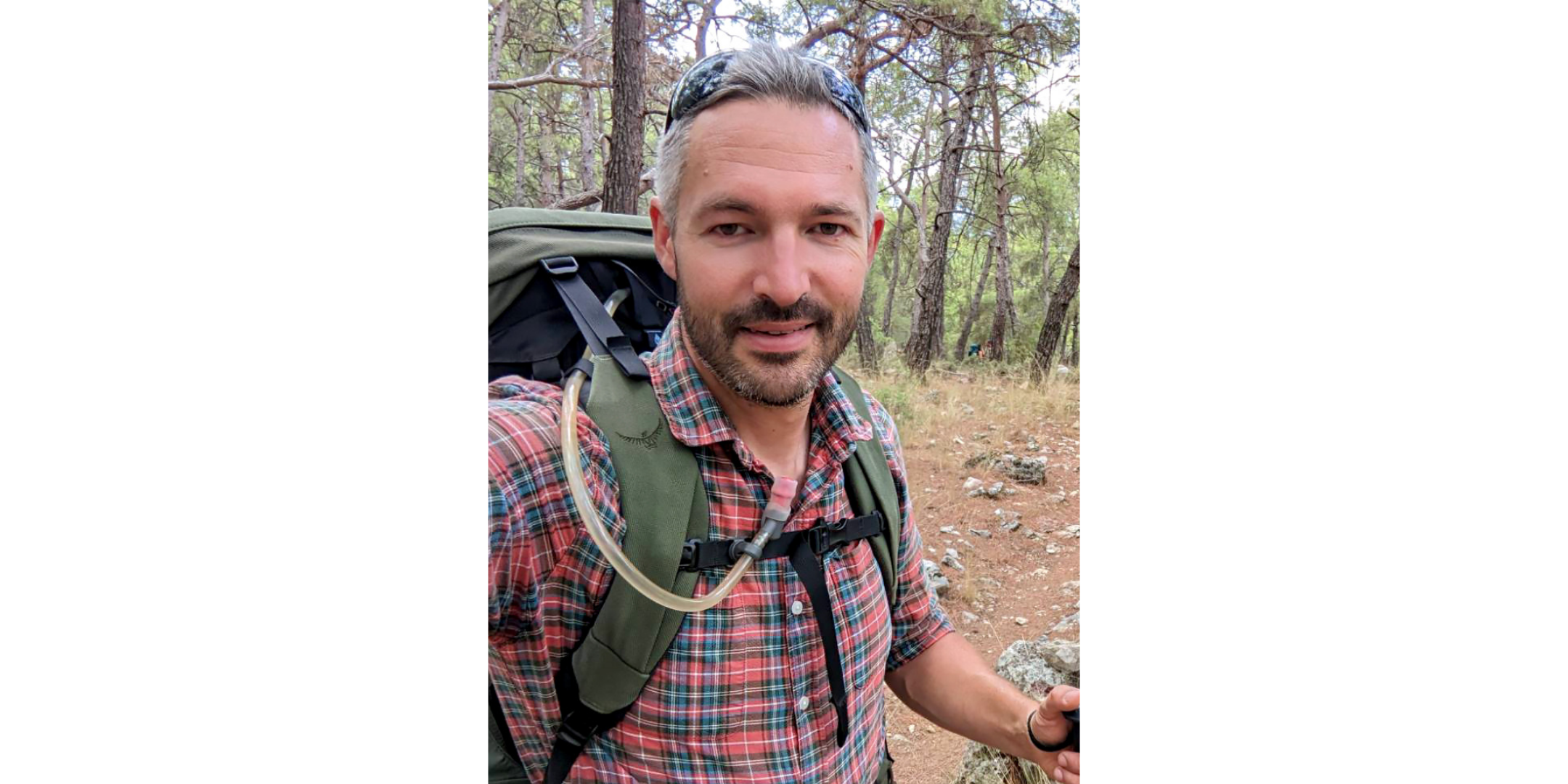
Tom Allen is one of the Transcaucasian Trail's co-founders, leading the Land Rover-sponsored Transcaucasian Expedition in 2016 to explore and map potential routes, stewarding the trail’s development in Armenia between 2017–2023, and opening the trail's first hikers' hostel in Dilijan National Park. Now Expeditions & Fieldwork Manager at the Royal Geographical Society, he joined the Transcaucasian Trail Association’s board in 2026 and continues to maintain thru-hiker resources for the Armenian branch of the trail.

View Event →
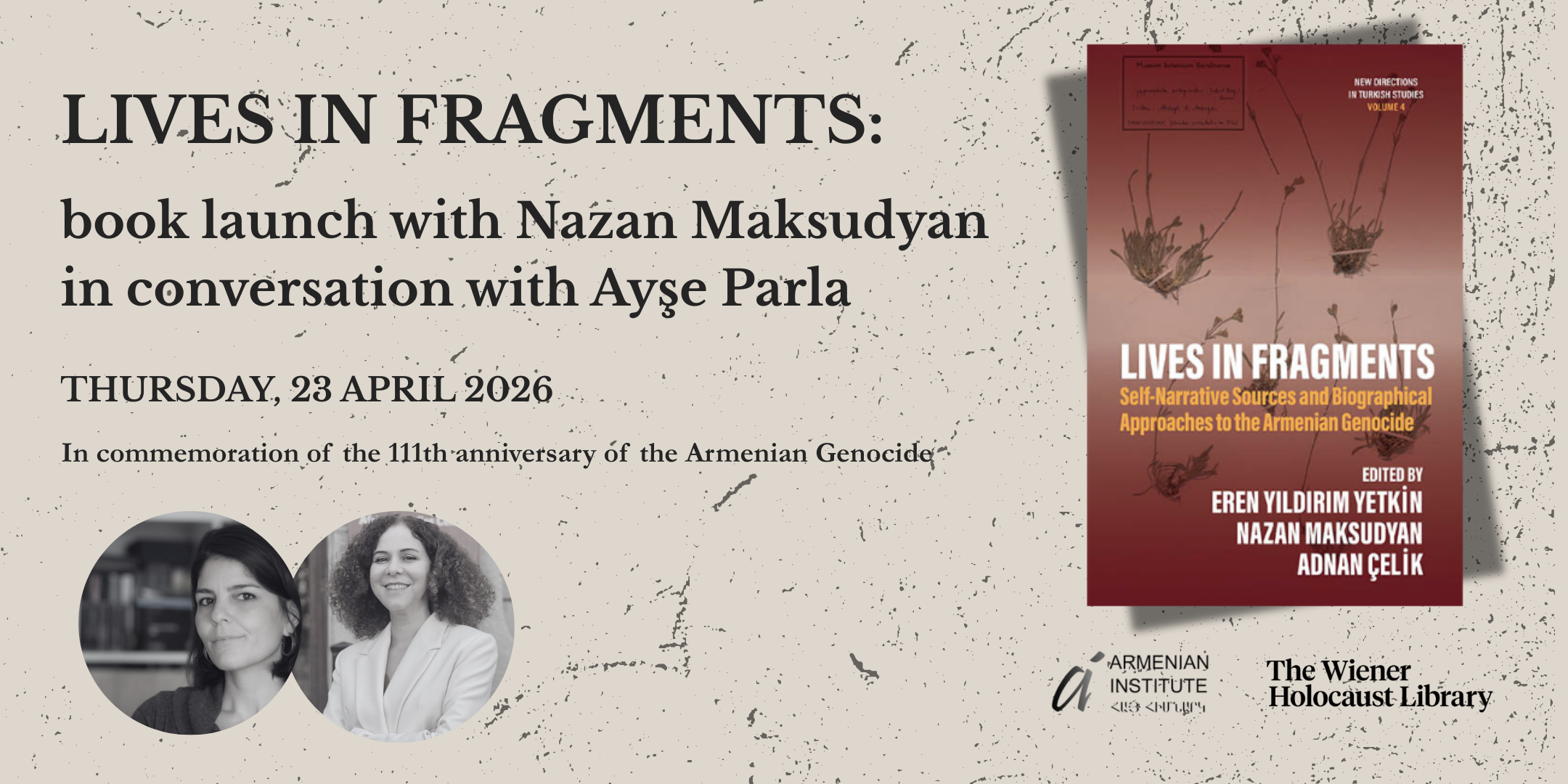
Lives in Fragments: Book Launch with Nazan Maksudyan In Conversation with Ayşe Parla
Apr
23
6:30 pm18:30

Lives in Fragments: Book Launch with Nazan Maksudyan In Conversation with Ayşe Parla

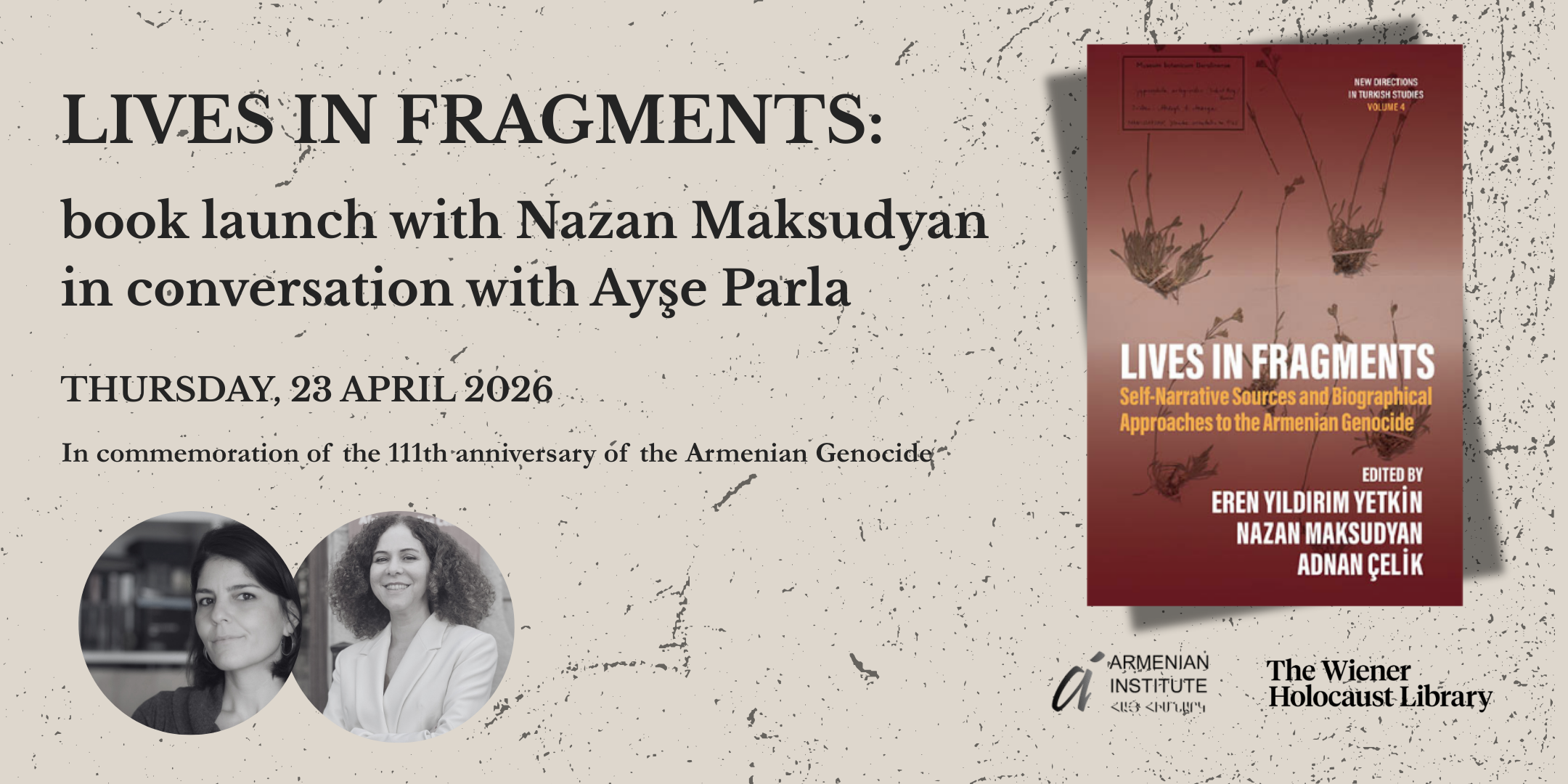
In their new co-edited book, entitled Lives in Fragments: Self-Narrative Sources and Biographical Approaches to the Armenian Genocide, published in February 2026, Eren Yıldırım Yetkin, Nazan Maksudyan and Adnan Çelik explore a new angle through which to interpret the social dynamics that lead to acts of genocidal violence, their remembrance, and their denial.

The twelve chapters in this book, written by experts in the field, focus on life stories and self-narratives that were fragmented and shattered through the historical violence of the Armenian Genocide. It offers a nuanced understanding of genocide’s complex historical and social dimensions.

In conjunction with the Wiener Holocaust Library, and to mark the 111th anniversary of the Armenian Genocide, we are happy to host one of the co-editors, Nazan Maksudyan, who will officially launch this remarkable volume in London and talk us through its novel methodology and rich contents. In conversation with her, we are delighted to welcome Ayşe Parla, who will share insights into her own current research on the art of writing as a survivor in the aftermath of the Armenian Genocide of 1915, tentatively entitled Peripheral Time: Writing as Survival in Bolis/Istanbul After Genocide.

This event is held in partnership with the Wiener Holocaust Library.

About the Speakers

Nazan Maksudyan is a Senior Researcher at the Centre Marc Bloch (Berlin) in the UKRI-funded ERC Grant ‘Ottoman Auralities and the Eastern Mediterranean: Sound, Media and Power, 1789–1914 and a visiting professor at the Freie Universität Berlin. Her research mainly focuses on the social and cultural history of the late Ottoman Empire and modern Turkey, with special interest in children and youth, gender, sexuality, exile and migration, sound studies, and the history of sciences. She is the author of Türklüğü Ölçmek (Metis, 2005), Orphans and Destitute Children in the Late Ottoman Empire (Syracuse UP, 2014), and Ottoman Children & Youth During World War I (Syracuse UP, 2019). She is an Editorial Board Member of Annales. Histoire, Sciences Sociales, Journal of Women's History, Journal of European Studies, and First World War Studies.

Recently published writing includes: “Beyond Borders and Binaries: Young Ottoman Women’s Experiments with Gender, Body, and Sexuality in Germany During World War I” in First World War Studies 2025; "Crime and Non-punishment: Legacies of Genocide and Denial in Turkey" in Dinç and Hünler (eds) The Republic of Turkey and its Unresolved Issues, Palgrave Macmillan 2025; “Encounter and Memory in Ottoman Soundscapes: An Audiovisual Album of Street Vendors’ Cries”, in McMurray and Mukhopadhyay (eds) Acoustics of Empire: Sound, Media, and Power in the Long Nineteenth Century, Oxford University Press, 2024.

Ayşe Parla is Associate Professor of Anthropology at Boston University and affiliate faculty at their Center on Forced Displacement. She received her B.A. from Harvard and her Ph.D. from New York University. She was a Member and Visitor at the Institute for Advanced Study in Princeton. Her first book, Precarious Hope: Migration and the Limits of Belonging in Turkey (Stanford University Press, 2019), was awarded an honourable mention by the Association of Political and Legal Anthropology. Her work has been published in, among others, American Ethnologist, Citizenship Studies, Comparative Studies in Society and History, Cultural Anthropology, Differences: Journal of Feminist Cultural Studies, History and Anthropology, International Migration, and Public Culture.

View Event →
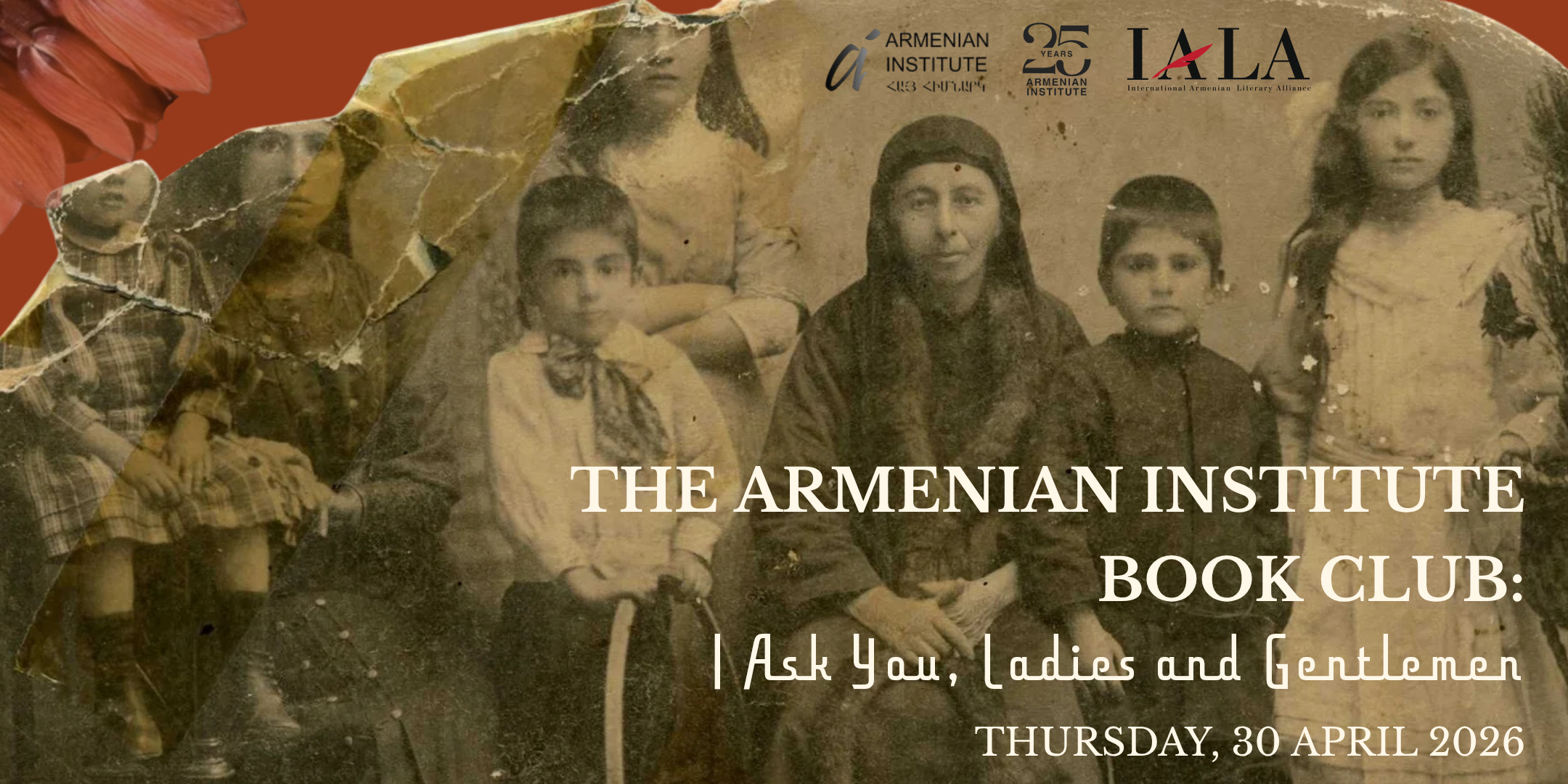
The Armenian Institute Book Club: I Ask You, Ladies and Gentlemen
Apr
30
6:30 pm18:30

The Armenian Institute Book Club: I Ask You, Ladies and Gentlemen

Rediscover a forgotten classic.

In 1945, Armenian Genocide survivor Leon Surmelian published I Ask You Ladies and Gentlemen, a bestselling, internationally acclaimed memoir that later slipped from view as it became out-of-print. In 2020, the Armenian Institute revived it in a new expanded edition, complete with photographs, maps and historical context, affirming its urgent relevance today.

From a warm childhood in Trebizond, in what is now north-eastern Turkey, to a perilous journey of survival after 1915, Surmelian’s story moves from loss and exile to an unexpected sense of belonging on a farm in Kansas, as his idealistic vision of saving his people through agriculture took him on a scholarship to study in America.

Join us on Thursday, April 30th, at The Armenian Institute or online, for an intimate Book Club evening and a glass of Armenian wine. Hear behind-the-scenes stories from the team that set out on the adventure of republishing the book, led by board member Richard Anooshian. They’ll be joined by Dr Nora Lessersohn, historian of the United States and the Armenian diaspora, who will participate online. Come along to share your thoughts on this remarkable story, and to see the first UK edition of the book from 1946, held in the Institute’s library.

Tickets are available with or without a copy of the book, which we encourage you to acquire in advance, so you can start reading! If you are in the US, you can buy your copy in the following places: NAASR, Abril Books and the Armenian Prelacy.

This event is held in collaboration with the International Armenian Literary Alliance.

This event is part of Heritage of Displacement: Oral Histories from the UK Armenian Communities (2023–2026), funded by a National Lottery Heritage Fund grant, thanks to National Lottery players.

Today, as political turmoil sends countless underage migrants out on the road across the globe, the stirring story of a child haunted by the unburied dead and searching for refuge is both topical and timeless. In light of the scholarship that is increasingly attentive to the experiences of minorities within minority groups, along with the growing concern among academics for giving voice to the voiceless, this rendition of an Armenian child’s survival is a valuable source for exploring the specificities of children and childhood from a historical and comparative perspective.
— Review by Anouche Der Sarkissian in Études arméniennes contemporaines, 2022.

About the speaker

Nora Lessersohn is a historian of the United States and the Armenian diaspora, with particular interests in politics, popular culture, and biography. She has taught at schools including Columbia University and George Washington University, and held fellowships at the Smithsonian American Art Museum and the National Museum of American History. Dr. Lessersohn has published articles on the memoir of her great-grandfather, Hovhannes Cherishian, and is currently completing a manuscript on Christopher Oscanyan's use of New York’s popular entertainment culture to act as a political intermediary between the United States and the Ottoman Empire in the nineteenth century. She is based in Washington DC where she is an Instructor in History at the University of Southern California's Capital Campus.

View Event →
Bilingual Poetry Writing Workshop with Lola Koundkjian
May
14
6:30 pm18:30

Bilingual Poetry Writing Workshop with Lola Koundkjian

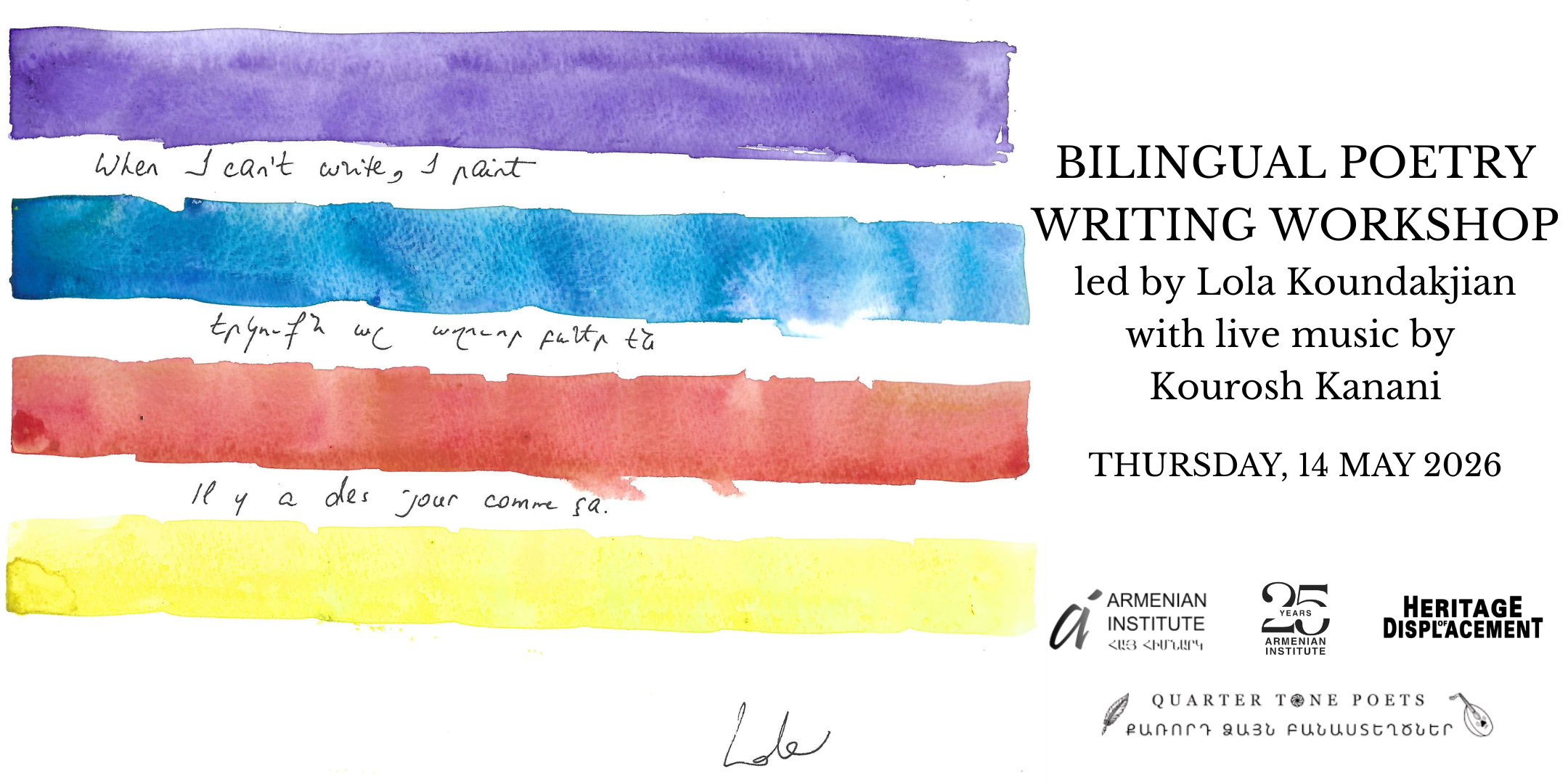
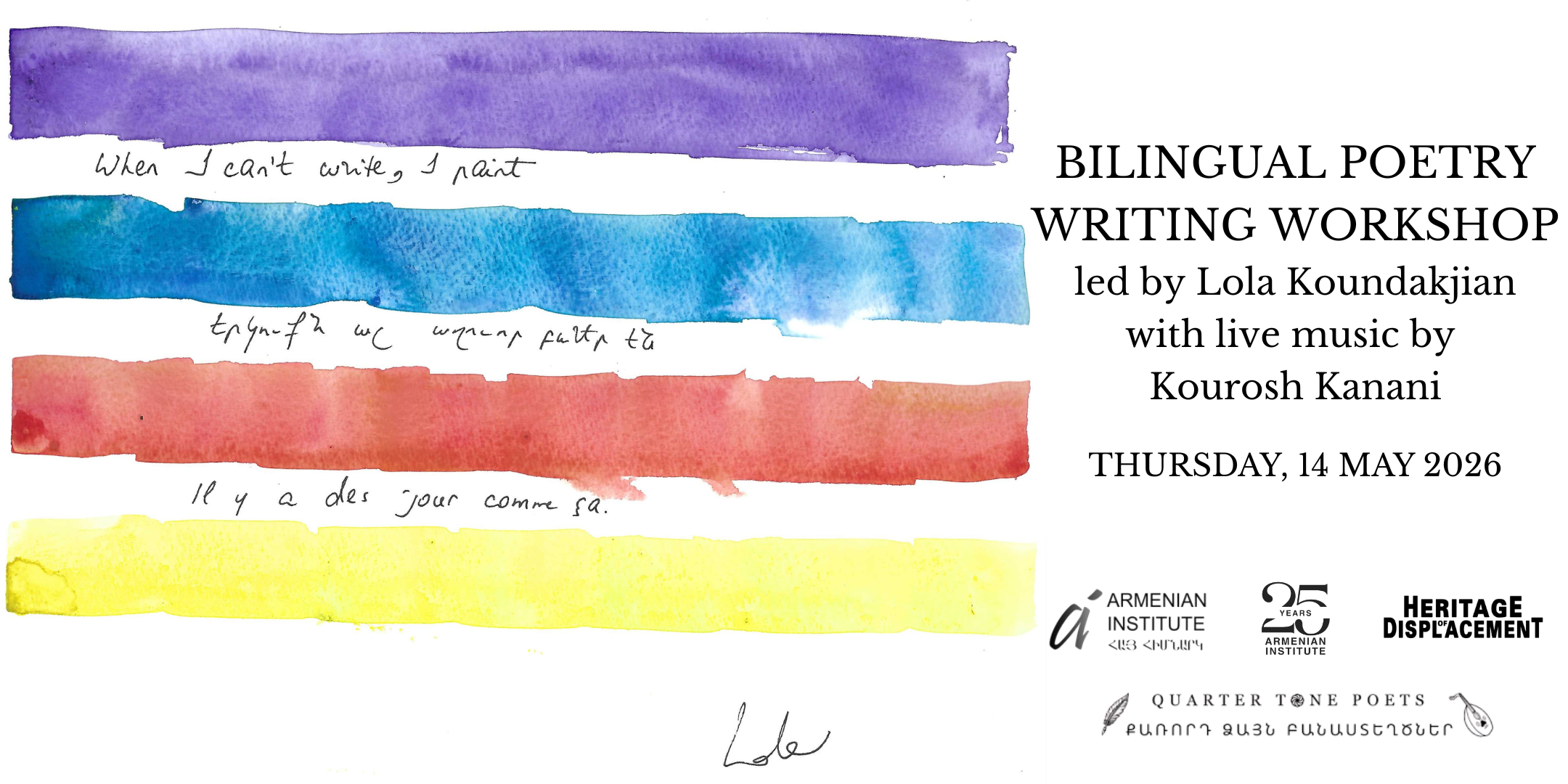
The Armenian Institute and Quarter Tone Poets invite you to a unique bilingual poetry workshop led by Lola Koundakjian, shaped by live music and shared writing.

Lola will share texts in Western Armenian and English and introduce a series of prompts for short, guided writing sessions. As you write, live instrumentalist Kourosh Kanani will perform acoustic, meditative music to create a focused, contemplative space. There is no set theme! This session is designed to generate new drafts and ideas rather than polished poems. Participants will be invited to share their work, if they wish.

The workshop will move between Western Armenian and English, depending on the language skills in the room. Eastern Armenian speakers are also warmly welcomed. We aim to create an open, inclusive space for writers of all backgrounds and levels.

This event is a partnership with Quarter Tone Poets, and is also part of the Armenian Institute's Heritage of Displacement: Oral Histories from the UK Armenian Communities (2023–2026) project, funded by a National Lottery Heritage Fund grant, thanks to National Lottery players.

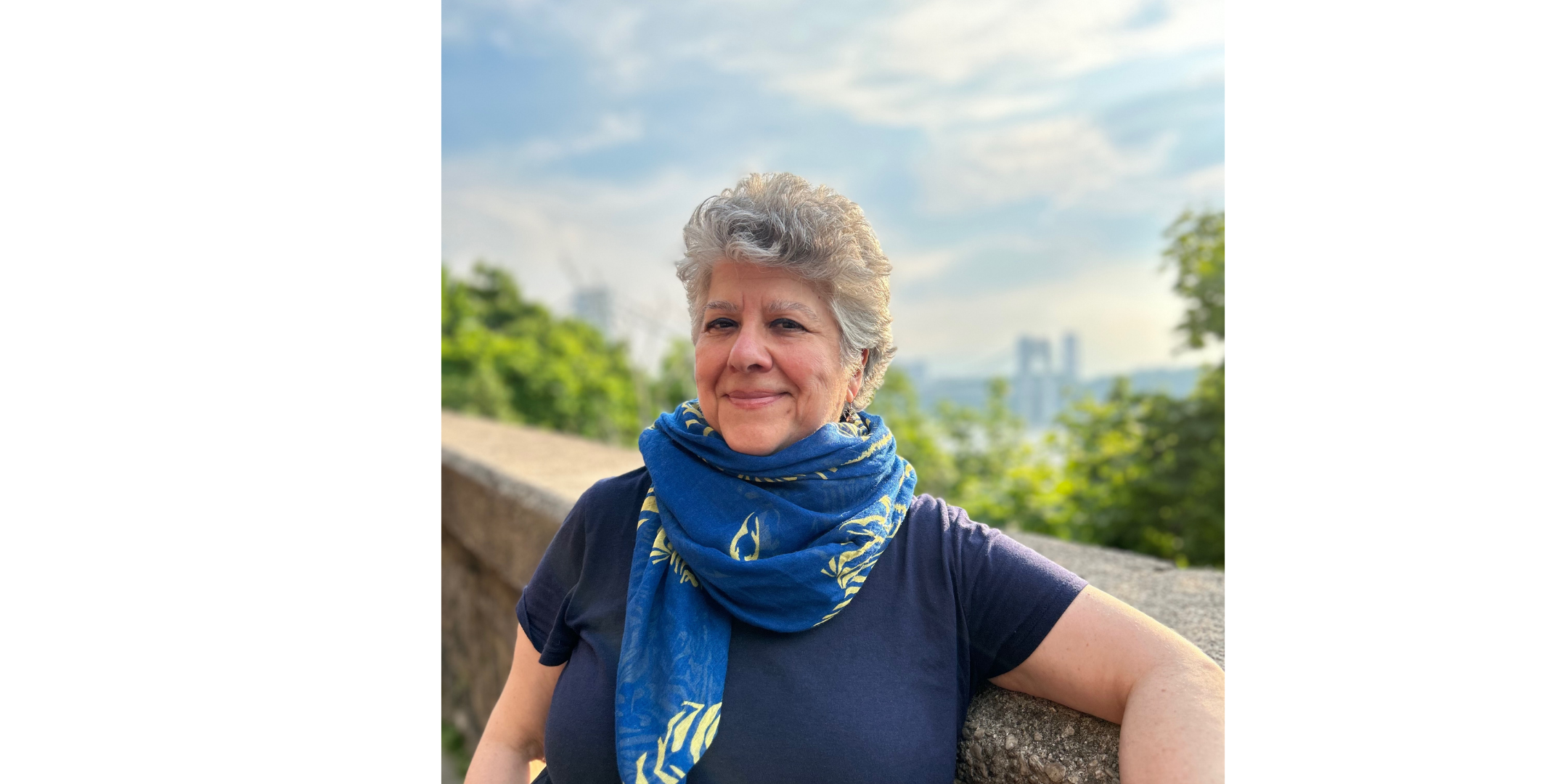
About Lola Koundakjian

After her degrees in Fine Arts at Hunter College and Ancient History at Columbia University, Lola honed her skills as an editorial board member at the Ararat Literary Quarterly, in New York. She runs the Dead Armenian Poetry Society and curates and produces poems and audio for the online Armenian Poetry Project. Lola’s translations from Western Armenian are in Ararat, Armenian Poetry Project, Rattapallax, Poetry International and most recently in Wasafiri in 2024. Since 2010, Lola has read her work throughout New York City and online. She was invited to read in person at international poetry festivals: Medellín, Colombia ; Lima, Peru; Santiago, Chile; Ramallah, West Bank; Trois-Rivières, Quebec, and Buenos Aires, Argentina. In 2021 her third book The Moon in the Cusp on my Hand won the Minas and Kohar Tololyan Prize in Contemporary Literature.

www.lolakoundakjian.com

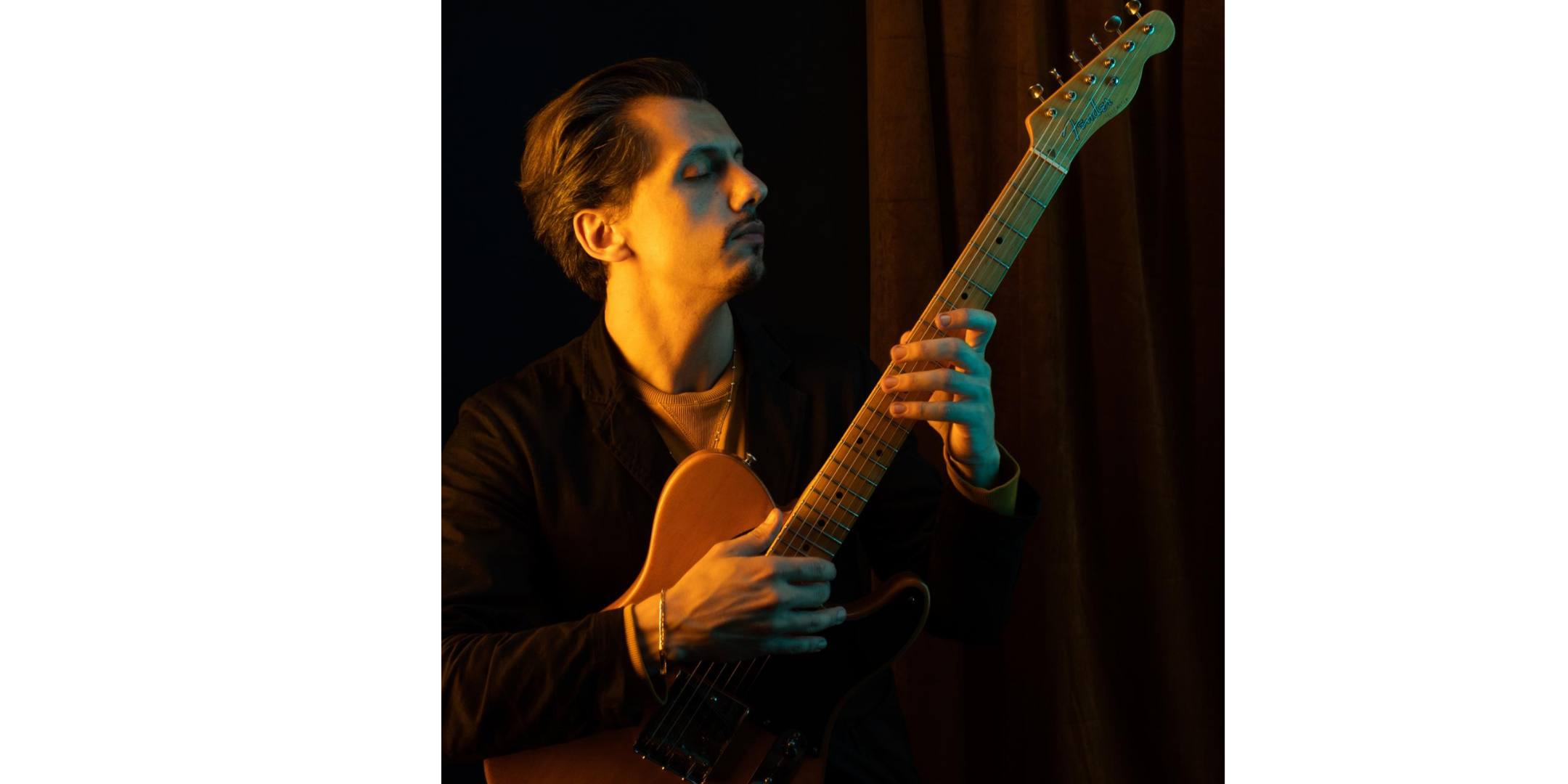
About Kourosh Kanani

Born to an Iranian father and Irish mother, Kourosh Kanani’s music reflects both his Persian roots and his Western influences.

He studied Carnatic rhythm under the guidance of renowned mridangam and konnakol artist Vidwan BC Manjunath, adding a profound layer to his work that draws from the deep traditions of South Indian music.

Known for his masterful fusion of Persian folk music, South Indian Carnatic rhythms, and jazz, Kourosh’s sound transcends genres and cultural boundaries. Equally renowned in the world of gypsy jazz, he is recognised as one of its most prominent players.

About Quarter Tone Poets

Quarter Tone Poets promotes and celebrates innovative literary expression in Western Armenian by exploring the musicality of language and the linguistic possibilities discovered through music. We will specifically do this by cultivating new poetry inspired by original compositions on the oud and other Armenian folk instruments.

www.quartertonepoets.org

View Event →
Vicken Cheterian on Artsakh, in conversation with Laurence Broers and Armine Ishkanian
May
28
6:30 pm18:30

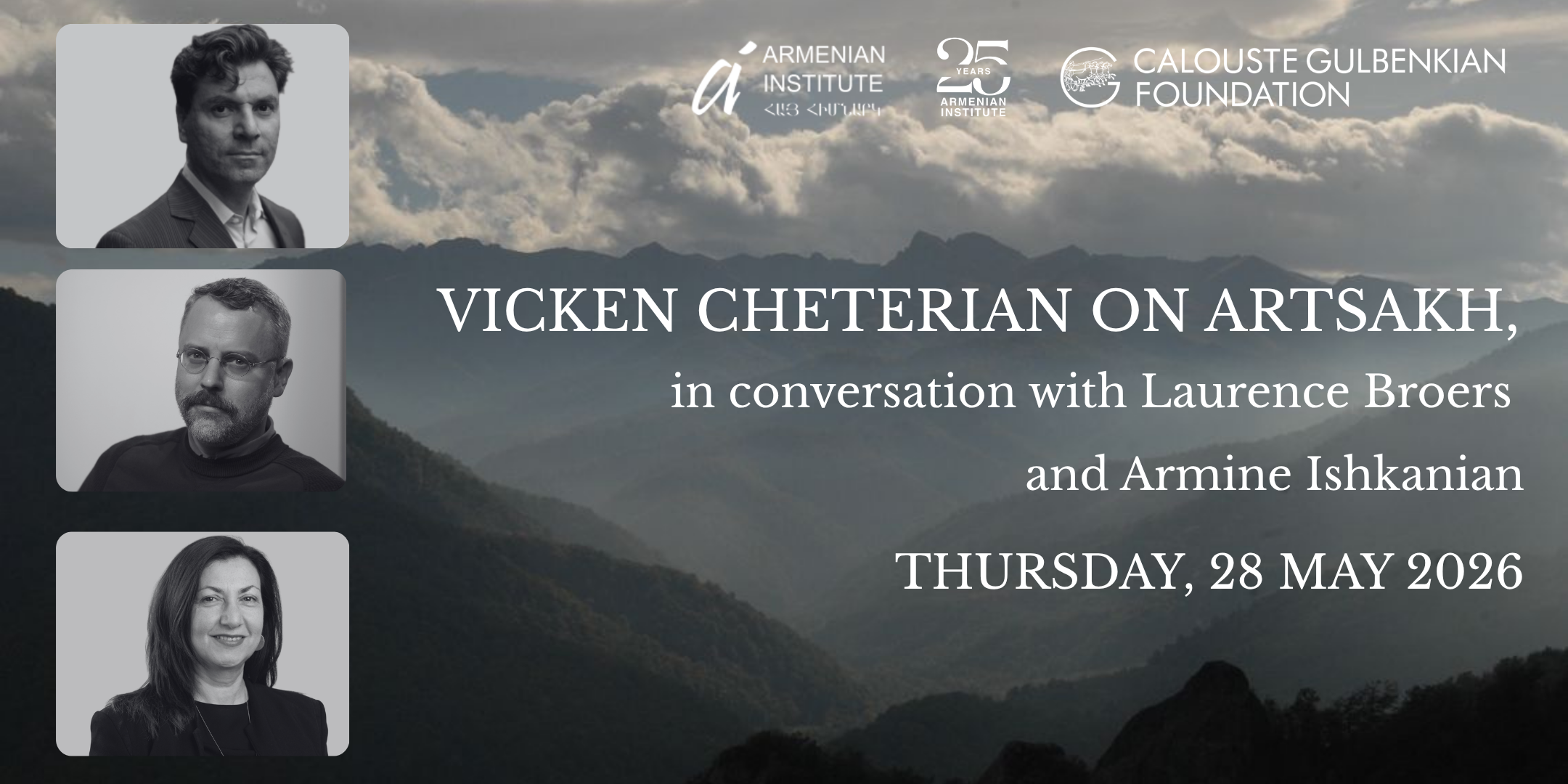
Vicken Cheterian on Artsakh, in conversation with Laurence Broers and Armine Ishkanian

The evening will feature Vicken Cheterian in conversation with Laurence Broers and Armine Ishkanian (LSE). Together, they will explore how the 2020 Second Nagorno-Karabakh War was fought and lost, and what it reveals about power, geopolitics, and the fragile architecture of peace in a rapidly changing international order. Vicken has recently published two books about the war and will help us reflect on a conflict that reshaped the South Caucasus and reverberated far beyond it.
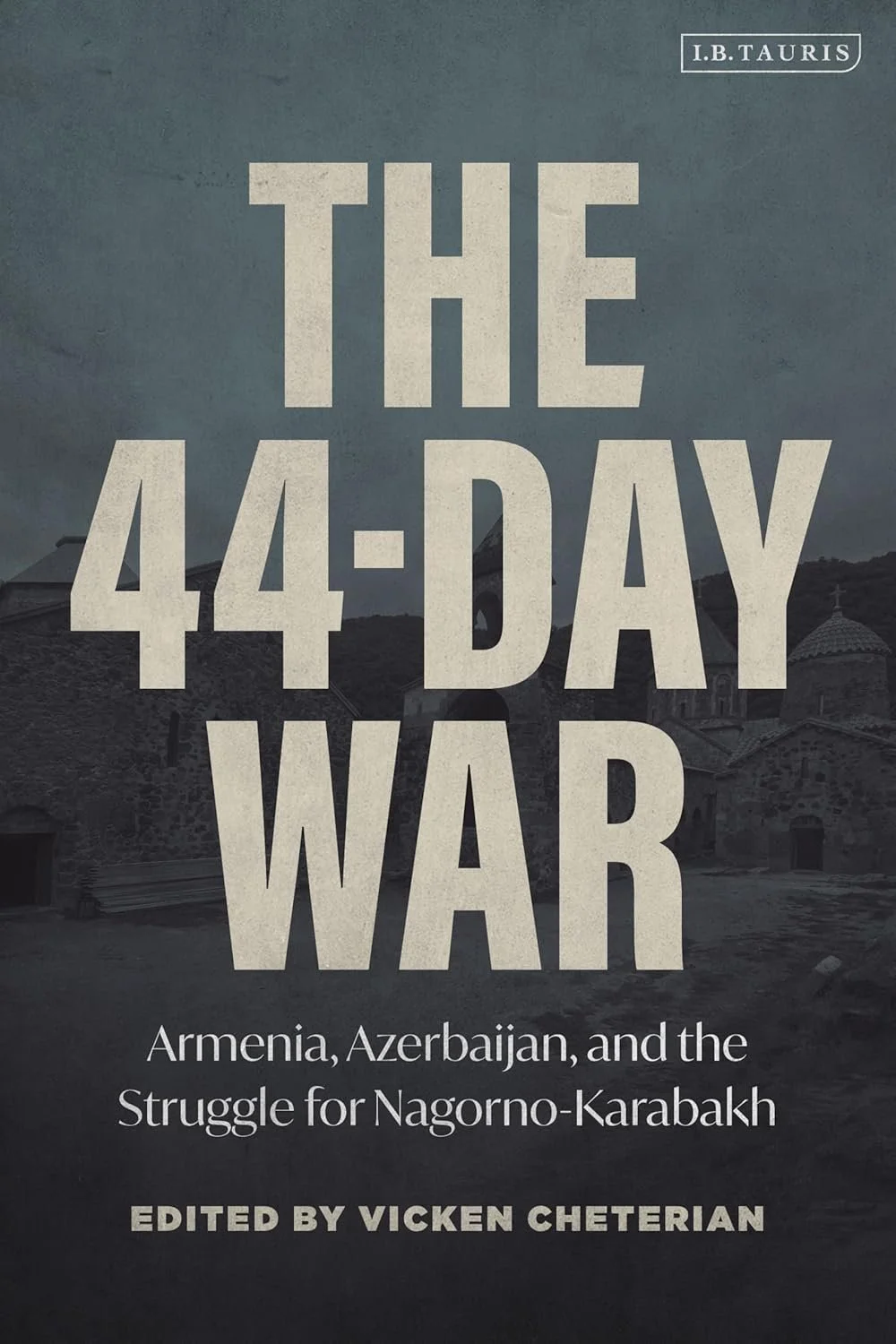
The 44-Day War: Armenia, Azerbaijan, and the Struggle for Nagorno-Karabakh (February 2026), offers a wide-ranging and interdisciplinary examination of the causes, conduct, and consequences of the war. This volume, edited by Cheterian and bringing together chapters written by multiple experts, interrogates the collapse of the 1994–2020 ceasefire regime, the failures of diplomacy and mediation, Armenia’s strategic miscalculations, and the consolidation of authoritarian power in Azerbaijan. It probes the roles of external actors before turning to the war’s aftermath: stalled peace processes, the dramatic failure of the Russian peacekeeping mission, and the ethnic cleansing of Nagorno-Karabakh. It was published open access by Bloomsbury Publishing and can be accessed in full online.
Defeat: Documenting the Karabagh War of 2020 (March 2026) edited by Ashot Voskanyan, is a rigorous investigation of the Second Nagorno-Karabakh War. Based on extensive interviews with senior Armenian political, military, and civil figures, Vicken Cheterian attempted to reconstruct in detail the developments during the war. In collaboration with five specialists, the book provides an unprecedented documentary account of decision-making, responsibility, and defeat. It was published by the Gomidas Institute, with support from the Calouste Gulbenkian Foundation.

The books will be available for sale at the event.

This event is held in partnership with the Calouste Gulbenkian Foundation.

Speakers

Vicken Cheterian is a lecturer in History and International Relations at the University of Geneva. He is a former journalist, having published extensively in the Neue Zürcher Zeitung, Die Wochenzeitung, Al-Hayat, Le Monde diplomatique, etc. He is a regular contributor to Agos. He is the author of War and Peace in the Caucasus, Russia's Troubled Frontier (2009), Open Wounds, Armenians, Turks and a Century of Genocide (2015), and he is currently writing a book on the Armenian diaspora.

Laurence Broers is a scholar-practitioner with three decades of experience as a researcher of conflicts in the South Caucasus and practitioner of peacebuilding initiatives in the region. He has edited three volumes on regional history and politics and published several journal articles on the South Caucasus, as well as extensive policy and current affairs analysis including for Chatham House, where he serves as associate fellow in the Russia & Eurasia Programme. He is also the founding editor and editor-in-chief of the academic journal Caucasus Survey. He is currently completing a second edition of his monograph, Armenia and Azerbaijan: Anatomy of a Rivalry (Edinburgh University Press, 2019).

Armine Ishkanian is a Professor in Social Policy at the Department of Social Policy, London School of Economics (LSE), as well as the Executive Director of the Atlantic Fellows for Social and Economic Equity (AFSEE) programme based at the LSE’s International Inequalities Institute. Professor Ishkanian’s research examines how civil society organisations and social movements engage in policy processes and transformative politics. She is currently co-convening the Politics of Inequality research programme.

View Event →
Armenian Heritage at our Doorstep: Exploring UK Collections - The Ancient India and Iran Trust, Cambridge
Jun
6
2:00 pm14:00

Armenian Heritage at our Doorstep: Exploring UK Collections - The Ancient India and Iran Trust, Cambridge

You are warmly invited to join us for a special afternoon at the Ancient India and Iran Trust in Cambridge.

The programme will start with an introduction by Nouritza Matossian on Ruth Keshishian and her life, immersed in the world of books, art, and friendship. It will be followed by a discussion on the influence of Armenian manuscripts and the Aghtamar frescoes in the work of Arshile Gorky. The event will continue with a lecture by Dr Vazken Khatchig Davidian on the work of Armenian artist Sarkis Katchadourian (1886-1947), who from the 1920s to the 1940s took inspiration from seventeenth-century fresco and mural paintings from Isfahan in Iran, as well as ancient Buddhist, Jain and Hindu wall paintings in Indian and Sri Lankan cave complexes including Ajanta, Badami, Bagh and Sigiriya.

This will be followed by a rare opportunity to look closely at the Trust’s collection of Armenian manuscripts. In the company of distinguished experts, you will explore these precious volumes up close, and gain insight into their provenance, exceptional artistry, and growing significance to the study of Armenian manuscripts. Speakers include the Trust’s Honorary Librarian, Dr Ursula Sims-Williams, Lead Curator of Iranian Collections at the British Library; Dr Erin Piñon, art historian and operations manager at the Armenian Institute; and art historian and conservator Tatevik Davtyan.

We will end with a garden party in the charming gardens of the Trust's historic home in Cambridge. Enjoy an afternoon of conversation, light refreshments, and convivial company against a backdrop inspired by the timeless beauty of Persian and Indo-Persian garden traditions.

This event forms part of a new series dedicated to exploring Armenian manuscripts and material heritage in lesser-known UK collections. The Armenian Institute is pleased to partner with the Ancient India and Iran Trust for its inaugural off-site show-and-tell session.

This event series honours the memory of the late Ruth Keshishian, a lover of books, archives, researchers, and intellectual life, and dear friend and supporter of the Armenian Institute.

Speakers

Vazken Khatchig Davidian is an Associate Faculty Member and Research Fellow at the Department of Asian and Middle Eastern Studies (formerly Oriental Studies), University of Oxford. He defended his doctoral thesis (The Figure of the Bantoukhd Hamal of Constantinople: Late Nineteenth-Century Representations of Migrant Workers from Ottoman Armenia) in art history at Birkbeck College, University of London in 2019. As Calouste Gulbenkian Fellow in Armenian Studies, and Nubar Pacha Scholar, Davidian was the holder of two postdoctoral positions at the University of Oxford. He is, with Boris Adjemian, co-editor-in-chief of the journal Études arméniennes contemporaines published by the Bibliothèque Nubar (AGBU), Paris. Davidian is the author of several articles on Ottoman Armenian art and cultural history and is currently completing a monograph based in part on his doctoral dissertation entitled Art, Realism and the Politics of Social Reform: Reading Late Nineteenth-Century Visual Representations of Ottoman Armenian Subalterns.

Tatevik Davtyan is an Art Historian holding an MA in Art History from Yerevan State University, where she specialised in Armenian art history under the UNESCO Chair programme. Tatevik combines her subject expertise with extensive experience in sales leadership and client advisory roles within the heritage sector. As Internal Sales Manager at Conservation By Design, she works closely with museums, galleries, libraries, and archives to provide tailored guidance on collection storage, preservation solutions, and best practice in collections care.

Ursula Sims-Williams is Lead Curator of Persian at the British Library and Honorary librarian and Trustee of the Ancient India and Iran Trust. She has published extensively on the manuscript cultures of Pre-Islamic Iran and Central Asia, Zoroastrianism and Islamic India and is currently co-investigator in the British Institute of Persian Studies Research Project: Persian Manuscripts between East and West: Britain, India and the Circulation of the Persianate Literary Heritage. 

Erin Piñon is an art historian specializing in early modern Armenian book arts, spanning cultural networks from Europe to Asia. She earned her PhD from Princeton University, where her work explored Armenian painting, translation, and ritual practices across Istanbul, Aleppo, and Isfahan. Her research on sixteenth- and seventeenth-century visual and material culture has appeared in the Metropolitan Museum of Art’s publications, the Journal of the Ottoman and Turkish Studies Association, West 86th Street, and the Journal of the Society for Armenian Studies, to cite a few. She has over a decade of experience working in museums, galleries, special collections, and archives.

Nouritza Matossian is a writer, actor, film-maker, broadcaster and human rights activist. She was born in Cyprus, educated in the UK, speaks nine languages. She writes and lectures on the arts, contemporary music, and history of Armenia. Author of the first biography and critical study of the Greek composer Iannis Xenakis (1985), she adapted the book for a 50min BBC2 documentary, Something Rich and Strange (1991). Matossian was also the first writer to research and reveal the Armenian identity and traumatic genocide history of the American-Armenian artist in her biography, Black Angel, A Life of Arshile Gorky in 1998.

She created a one woman show, The Double Life of Arshile Gorky, playing over a hundred performances worldwide. Her book inspired director Atom Egoyan for his award-winning movie Ararat (2004) with the lead character based on Matossian. Matossian broadcasts on the BBC and contributes to several newspapers and magazines, including The Independent, The Guardian, The Economist, and The Observer. She was Honorary Cultural Attaché for the Armenian Embassy in London from 1991-2000. Public’s Prize at the Toronto Pomegranate Film Festival 2008, Director, Armenian Institute, London 2015-2017 and active member of English PEN, UK.
View Event →
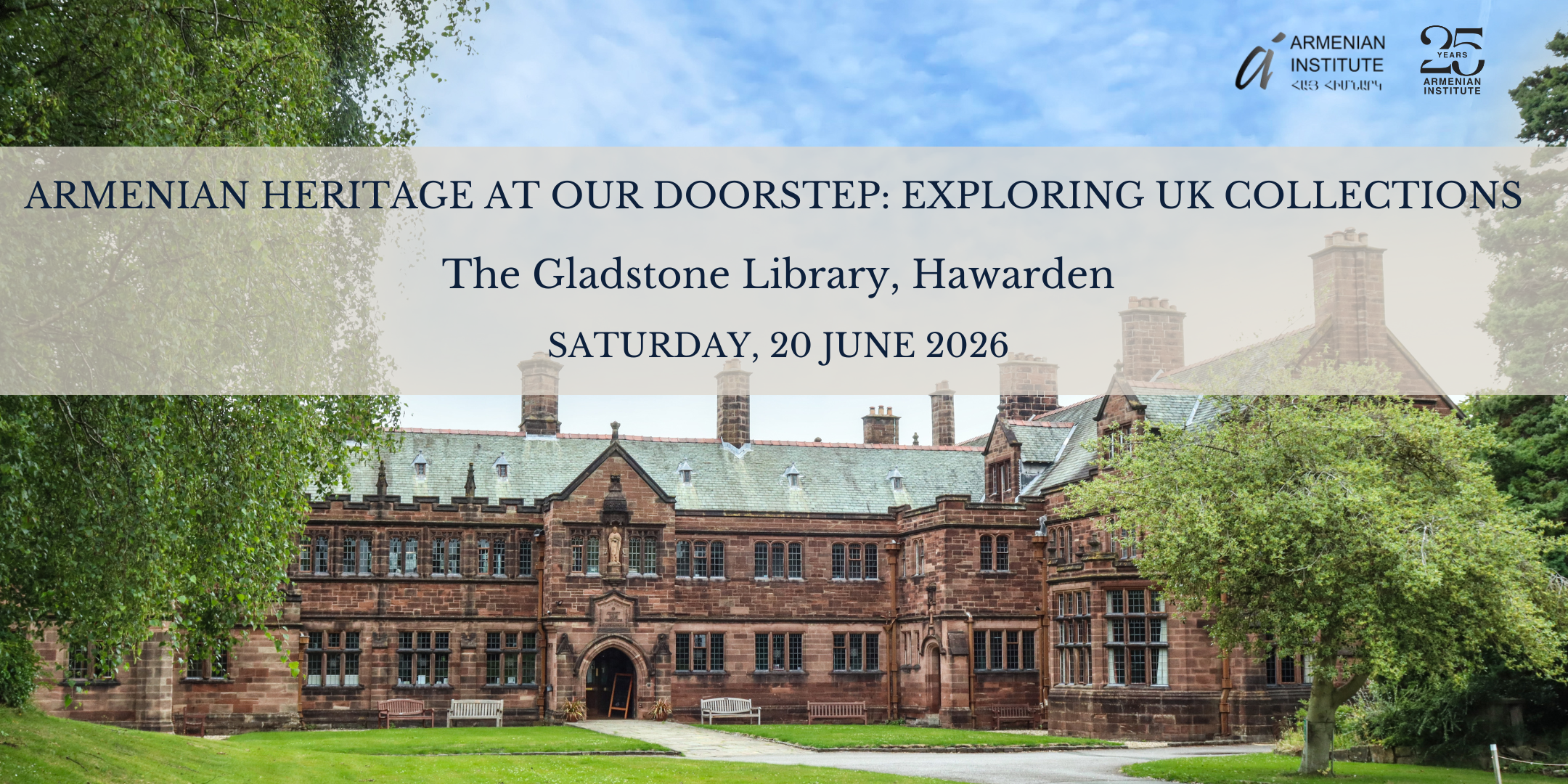
Armenian Heritage at our Doorstep: Exploring UK Collections - The Gladstone Library, Hawarden
Jun
20
to 21 Jun

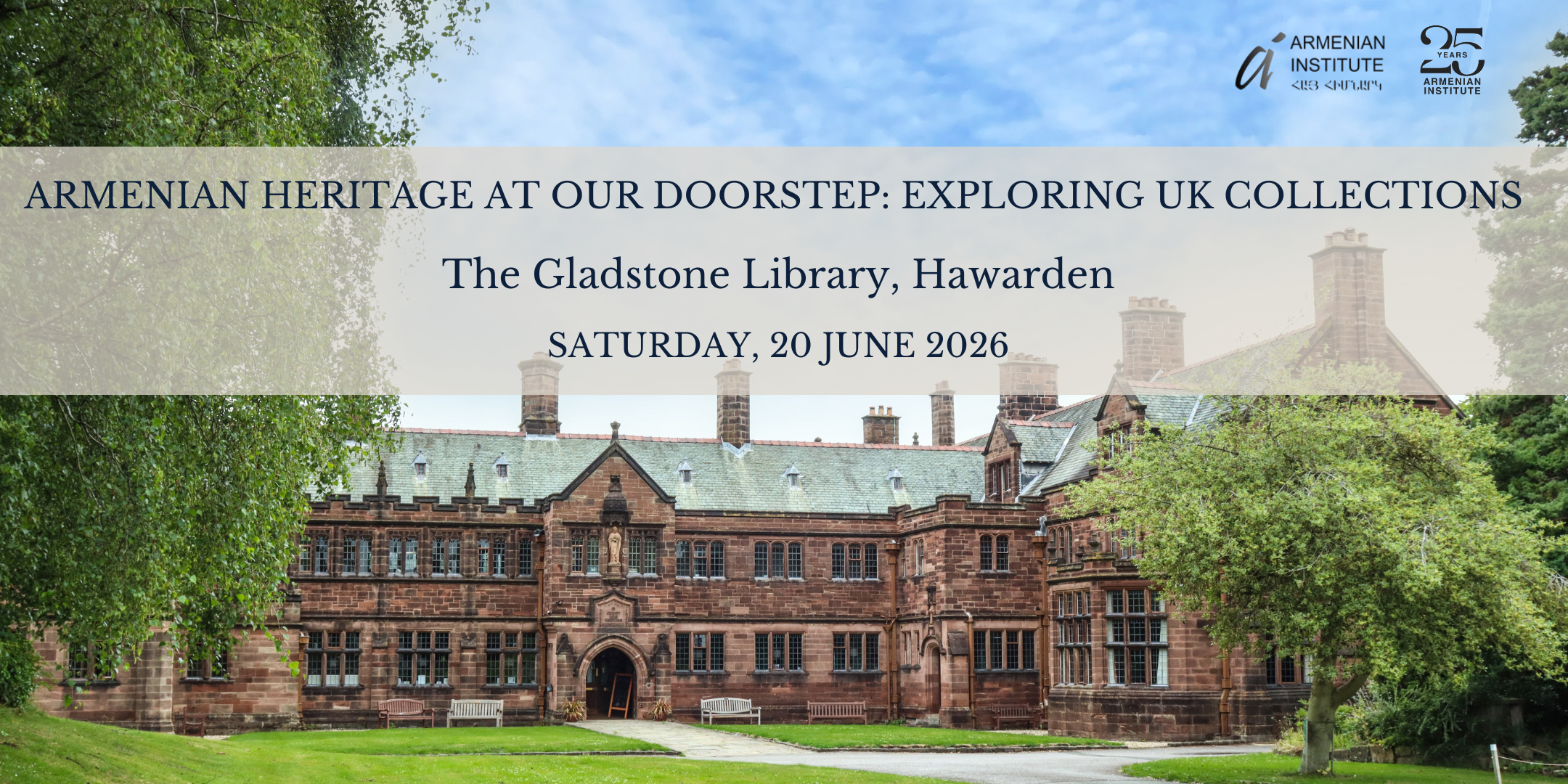
Armenian Heritage at our Doorstep: Exploring UK Collections - The Gladstone Library, Hawarden

Come join The Armenian Institute community for a restorative weekend in the Welsh countryside. Tucked in Hawarden village, you will find yourself immersed in heritage and culture within a remarkable neo-Gothic building dating from the turn of the 20th century– beautiful Gladstone’s Library.

Founded by former Prime Minister William Gladstone, the Library is a unique residential retreat dedicated to theology and spirituality, history, current affairs, and literature, both classical and contemporary. With its iconic reading rooms, peaceful gardens, chapel, cosy guest lounge, bar, restaurant and simple but characterful bedrooms, it offers the perfect setting for a thoughtful break.

This special weekend offers a rare opportunity to explore treasures from Gladstone’s personal connections with the Armenian people. The Library holds remarkable artefacts gifted to him, including a 16th-century illuminated New Testament, a chalice, and a striking Armenian church window, all of which you will discover during a private guided tour and curated exhibition viewing.

This event forms part of a new series dedicated to exploring Armenian manuscripts and material heritage in lesser-known UK collections. The Armenian Institute is pleased to hold this unique weekend field trip at the Gladstone Library in North Wales.

This event series honours the memory of the late Ruth Keshishian, a lover of books, archives, researchers, and intellectual life, and dear friend and supporter of the Armenian Institute.

The two-day programme runs as follows:

Saturday 20 June 2026

Plan to arrive in good time before the start of the programme, to leave your bags at reception. 

2pm – Welcome drinks and introductory talk 
By the Library’s Warden and Director, Revd Dr Andrea Russell, in the Gladstone Room.

2:30pm – Talks by the Reading Rooms team
Insights from the Reading Rooms team in the Gladstone Room.

3pm – Check in to rooms
Tea and coffee will be served during this break.

4pm – Private guided tour
Tour of the Library and exhibition/collections viewing in the Glynne Room. Discover the historic building and its fascinating collections, and view Armenian artefacts up close.

5pm – Visit to nearby St Deiniol’s Church
Home to the Armenian window and chalice.

6:30pm – Two-course dinner
A relaxed evening meal at Food for Thought, the Library’s restaurant, where seasonal dishes cater for vegetarian, vegan and gluten-free diets (with advance notice for other requirements).

After dinner, unwind as you wish: enjoy board games, jigsaws or chess, retreat to the Reading Rooms for quiet reflection, or relax with a drink at the Honesty Bar in the Gladstone Room lounge.

Then retire to one of the Library’s charming bedrooms, a peaceful sanctuary far removed from weekday routines.

Sunday 21st June 2026

...is yours to enjoy at your own pace.

A continental breakfast is included with the room booking. Check out by 10am. 

Wander through the Library’s gardens and parkland, read beneath the high windows of the Reading Rooms, or simply savour the stillness. Guests can obtain permits to walk in the woods surrounding Hawarden Castle, soaking up the beauty of the Gladstone Estate (please enquire at Reception).

St Deiniol’s Church has services on Sundays at 8 and 10am, for your information. 

You may then choose to book a traditional Sunday roast at Food for Thought (not included; please book your table upon arrival).

If you’d like to explore further afield, the Library is ideally located — just six miles from the historic walled city of Chester, and within easy reach of the market town of Mold, the pilgrimage site of St Winefride’s Well, and the elegant Victorian seaside resort of Llandudno.

Hawarden itself is a delightful village, home to independent shops and the award-winning Hawarden Estate Farm Shop.

You are welcome to spend the afternoon studying in the Reading Rooms or relaxing in the Gladstone Room. Note that the library closes to non-residents at 5pm. 

You may book tickets either for Saturday’s programme without the dinner, or choose Full Weekend tickets that include all events.

To secure accommodation, Full Weekend tickets must be booked by 20 April 2026. After this, bookings will be accepted until 20 May, but accommodation's availability is not guaranteed after 20 April.

Saturday Talks Ticket (2–6:30pm)
🎟️ £50,
only includes talks, guided tours and refreshments on Sat. 20 June. Meals and accommodation are not included. 

Full Weekend Ticket
Includes:

  • All talks and guided tours

  • Welcome drinks

  • Mid-afternoon tea and coffee

  • Saturday two-course dinner

  • Access to the Library grounds, lounges and Reading Room.

  • One night’s accommodation (single or double occupancy) with continental breakfast.

🎟️Single ticket: £190, includes one Full Weekend ticket and one single bedroom.

🎟️Double ticket: £295, includes two sets of Full Weekend tickets and one double or twin bedroom.

Not included in the ticket price:

  • Train travel (A direct train ride from London Euston, or elsewhere, to Chester railway station. Please write if you need help arranging travel.)

  • Taxi transfers

  • Saturday and Sunday lunches (which you may choose to book independently)

Speaker

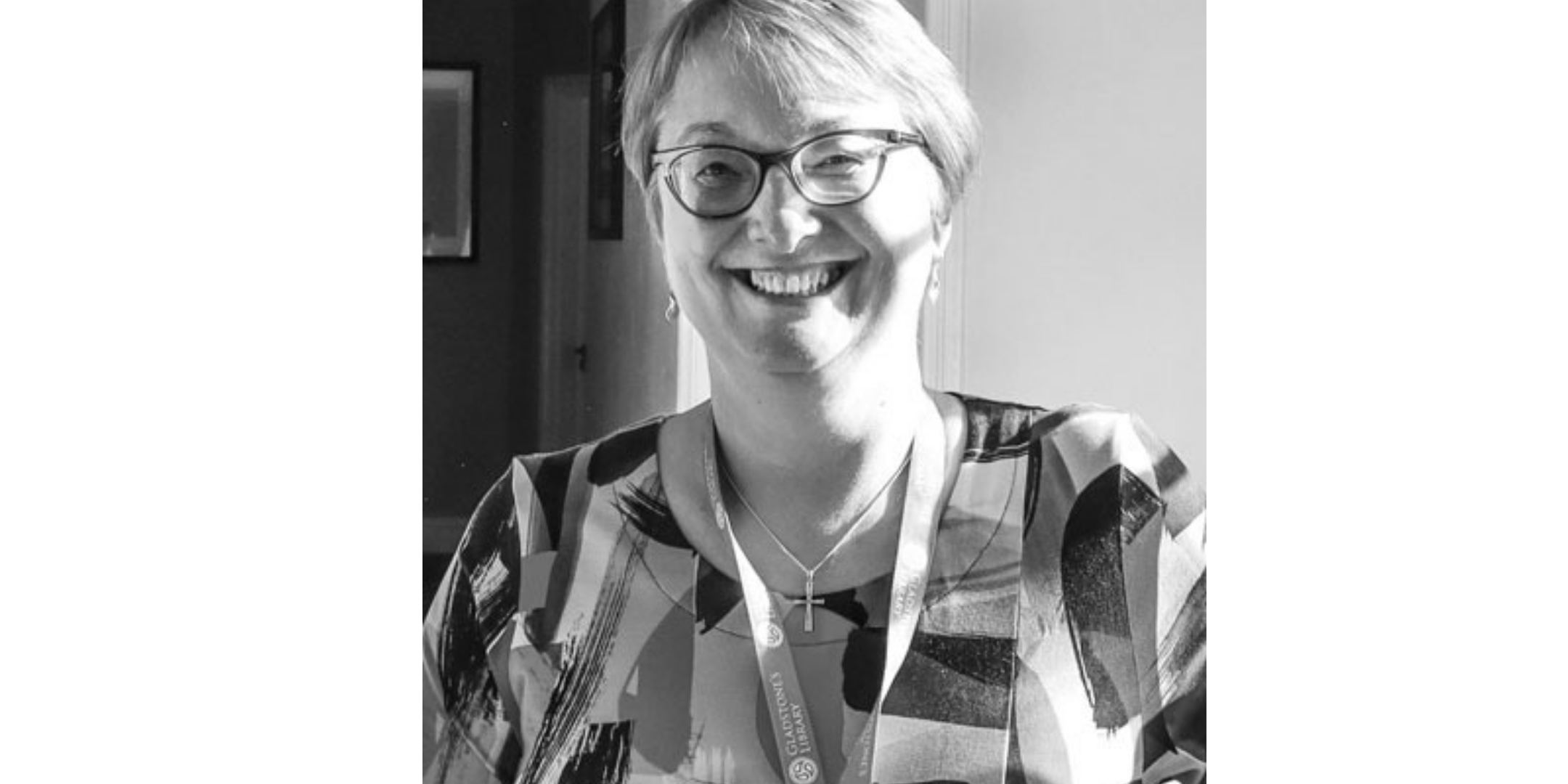
Andrea Russell is Warden of Gladstone’s Library, taking up the role in October 2022. For the past 10 years, she has been involved in theological education and comes to Hawarden from Oxford Diocese, where she was Director of Formation for Ministry. There, she oversaw the provision of training and continued learning for both clergy and licensed lay ministers. She has a legal background, having worked initially as a solicitor before moving into theology. Her PhD focused on Richard Hooker, a key figure in the Church of England in the 16th Century and even though the title of his book doesn’t at first sight appear to be all that riveting (The Lawes of Ecclesiastical Polity), she assures us that it really is an exciting read! She loves reading crime novels and being by the sea.

View Event →

Artsakh’s Refugees in Armenia: A Talk by Dr Antranig Kasbarian
Mar
31
6:30 pm18:30

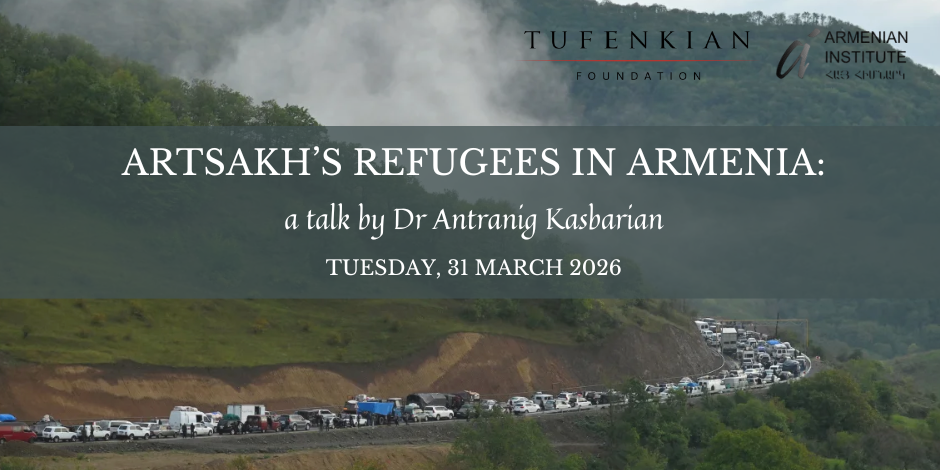
Artsakh’s Refugees in Armenia: A Talk by Dr Antranig Kasbarian

In 2023, the violent expulsion of all Armenians from Artsakh (Nagorno-Karabagh) triggered a mass exodus into the Republic of Armenia and the dissolution of the Artsakh Republic. This sudden displacement created an urgent humanitarian crisis—shifting the focus from supporting families in building secure lives in Artsakh to helping tens of thousands navigate resettlement, rebuild livelihoods, and integrate into new communities.

Join us for an illuminating talk on the evolving realities facing Artsakh’s refugees and the initiatives aimed at helping them establish stability and hope for the future. Dr. Antranig Kasbarian of the Tufenkian Foundation—who has long been directly involved in strategic and charitable efforts in Armenia and Artsakh—is uniquely positioned to offer nuanced insight into both the challenges and the successes shaping these resettlement efforts.
This event is held in collaboration with the Tufenkian Foundation.

This event is also available online.

About the Speaker

Dr. Antranig Kasbarian holds a PhD in geography from Rutgers University, where his dissertation was entitled “We Are Our Mountains: The Geography of Nationalism in the Armenian Self-Determination Movement, Nagorno-Karabagh, 1988-1998.” He is a former editor of the Armenian Weekly and has served the Armenian-American community in various capacities over four decades. He continues to publish and lecture on topics pertaining to Armenia, Transcaucasia, and especially Artsakh. Professionally, Antranig serves as Development Director of the New York-based Tufenkian Foundation, pursuing charitable and strategic endeavors in Armenia and for Artsakh.

View Event →
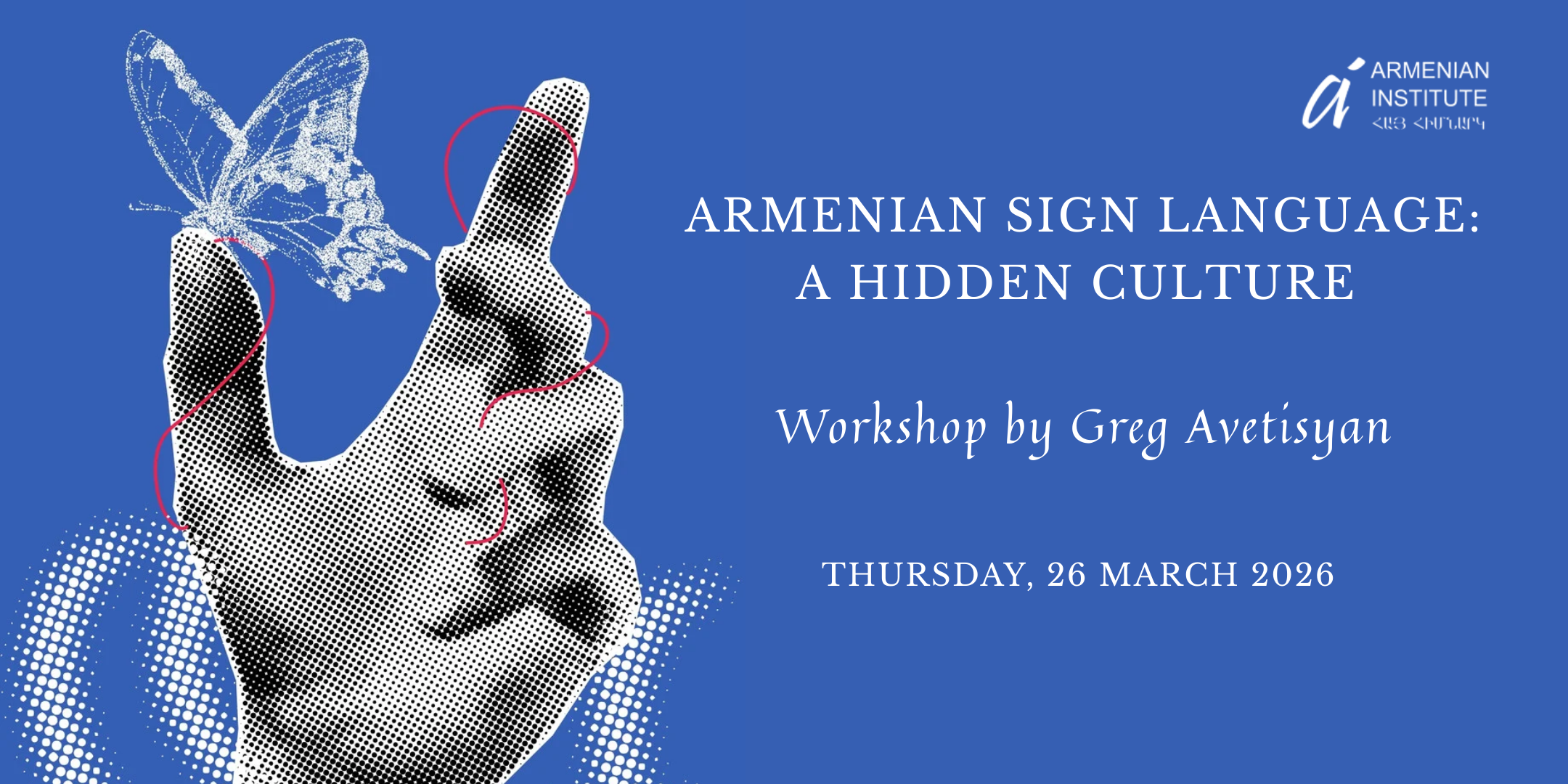
Armenian Sign Language: a hidden culture
Mar
26
6:30 pm18:30

Armenian Sign Language: a hidden culture

Please join us for an immersive workshop of introduction to Armenian Sign Language. How does sign language function? How is it perceived and experienced? Why does Armenian Sign Language matter for culture, education, and future generations in the Armenian Deaf Community? How does the community deal with migration, language shifts or new technologies?

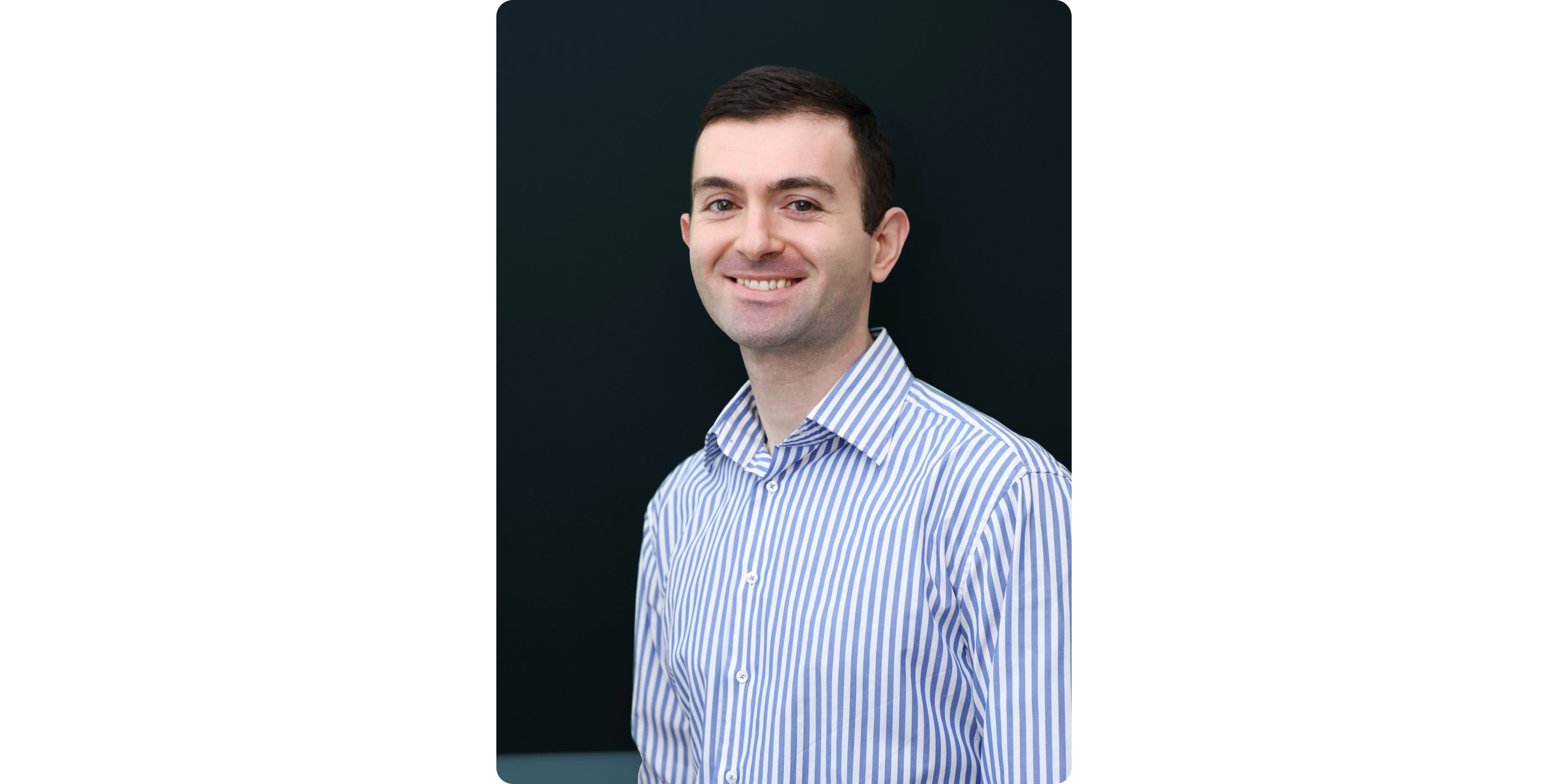
You will learn about the Deaf Armenian community and its current challenges from Greg Avetisyan, Chevening Scholar studying social and public policy at The University of York. Greg will open up a window for us all towards the hidden gem that is Armenian Sign Language, an often invisible yet vital part of the Armenian cultural and linguistic heritage.

This session is not designed as a language course, and no prior knowledge of sign language is required. Through a mix of short contextual insights and hands-on, artistic exercises, participants will engage with visual communication. We will discuss Deaf social behaviour, storytelling, and the embodied nature of sign language in Armenia and the UK.

Please email erica@armenianinstitute.org.uk if you require any sign language translation of this event or have any other questions.

About the Speaker

Greg Avetisyan is a marketing and branding specialist with over 20 years of experience. Two years ago, as a son of Deaf parents, he decided to shift his career from a major branding company to freelance. This allowed him to dedicate his free time to the Deaf and Hard of Hearing community of Armenia to make an impact on policymaking processes, education and culture. Greg has been granted a Chevening Scholarship in 2025 and is currently completing a Master’s degree in Social and Public Policy at the University of York.

With over two decades of leadership experience in communications and organisational development, Greg has worked extensively with international organisations, NGOs, and public institutions across Armenia and Europe. His work focuses on sign language recognition, Deaf education reform, and the ethical implications of emerging technologies such as AI in education. Fluent in Armenian Sign Language and raised by Deaf parents, he approaches Deaf culture as a linguistic and cultural identity rather than a medical condition.

View Event →
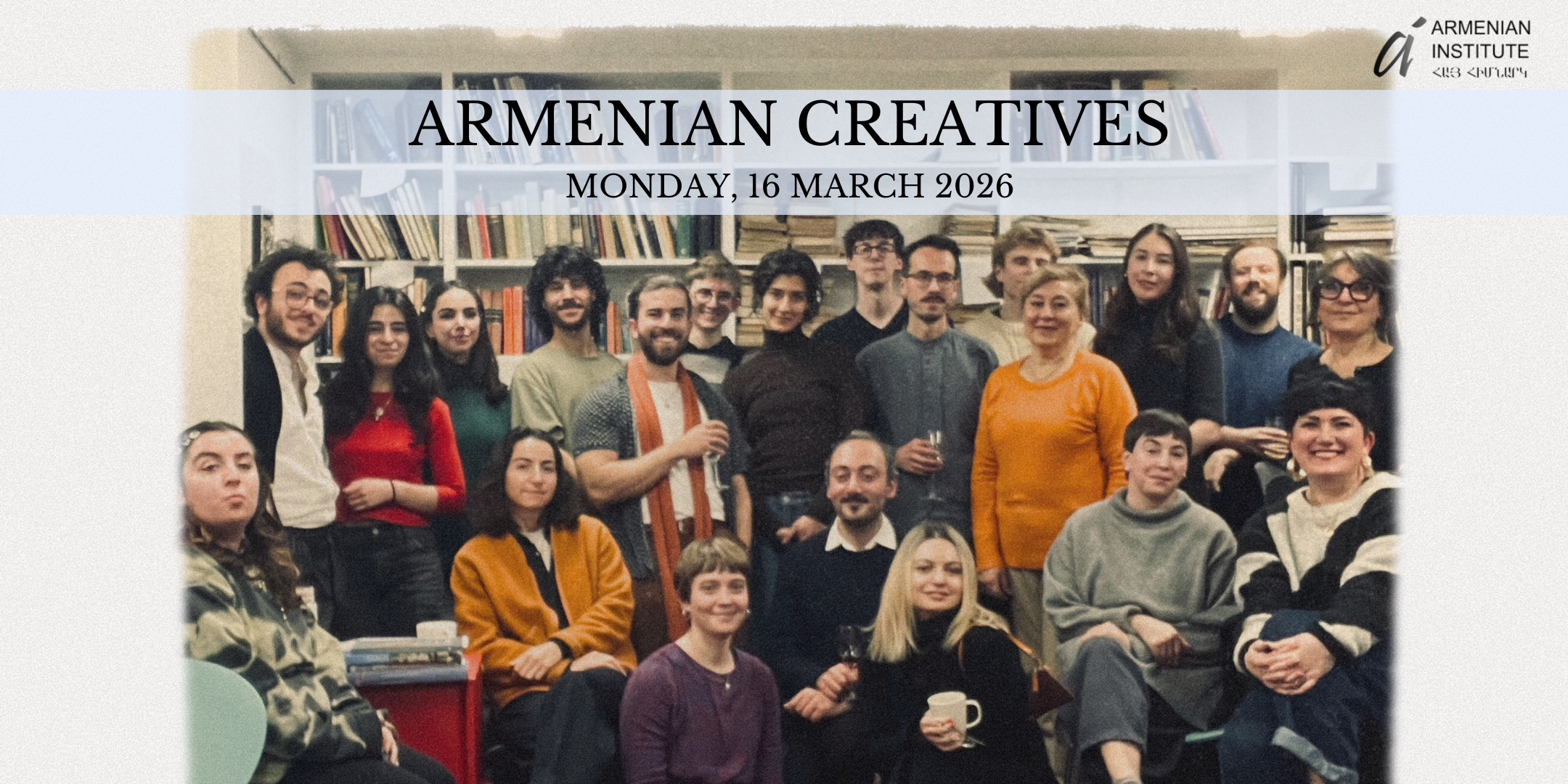
Armenian Creatives
Mar
16
7:00 pm19:00

Armenian Creatives

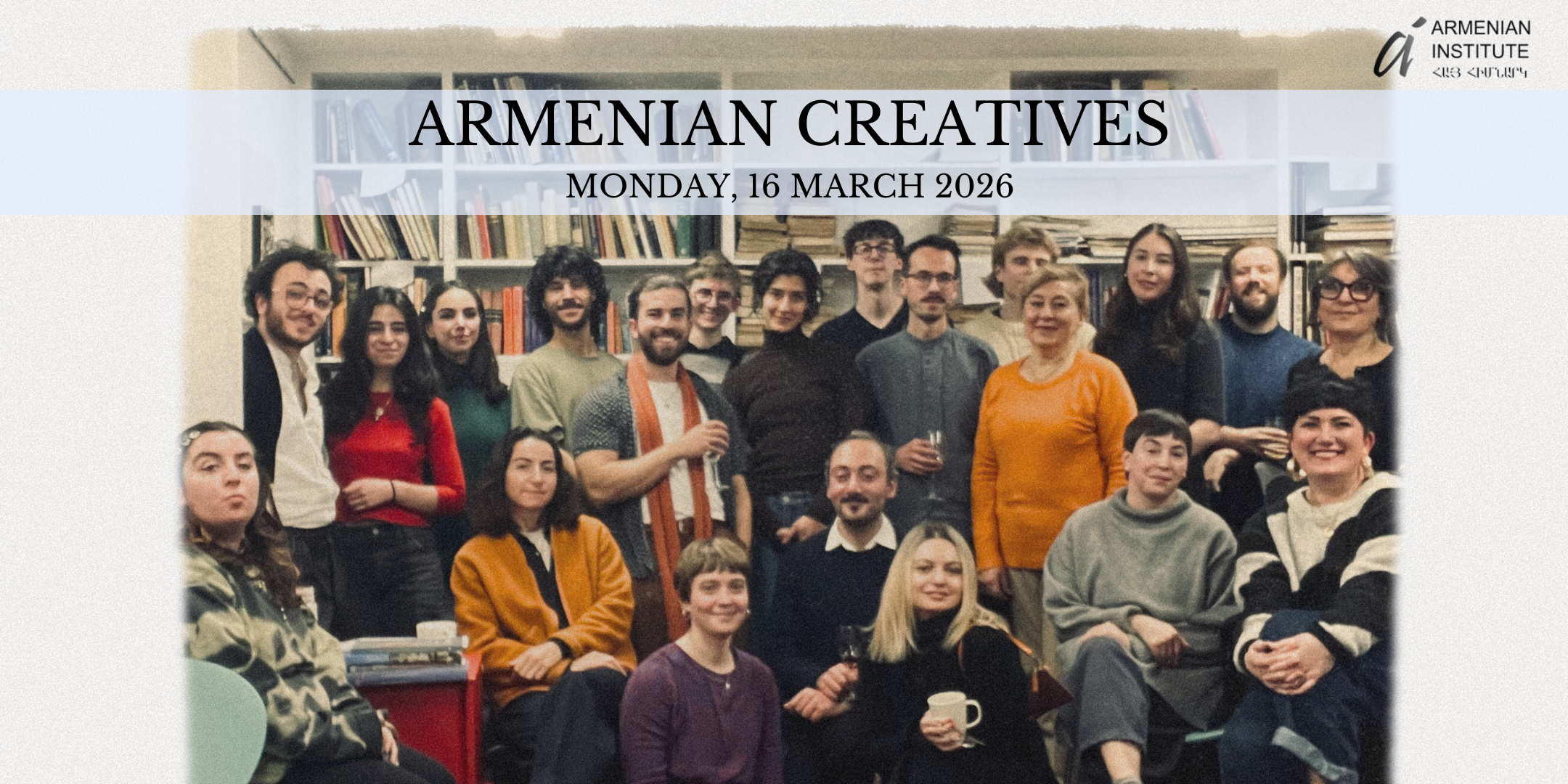
Join us for a vibrant gathering of Armenian creatives—a chance to reconnect, reflect on past collaborations, and share exciting new projects.

Whether you're an actor, director, writer, designer, poet, painter, composer, musician, choreographer, producer, or craftworker, we welcome you to join us for coffee and conversation. This event is exclusively for those of Armenian heritage who are actively working in the arts and entertainment industries.

As always, the gathering will be hosted by theatre director Ed Stambollouian and playwright Abi Zakarian, with the generous support of the Armenian Institute.

View Event →
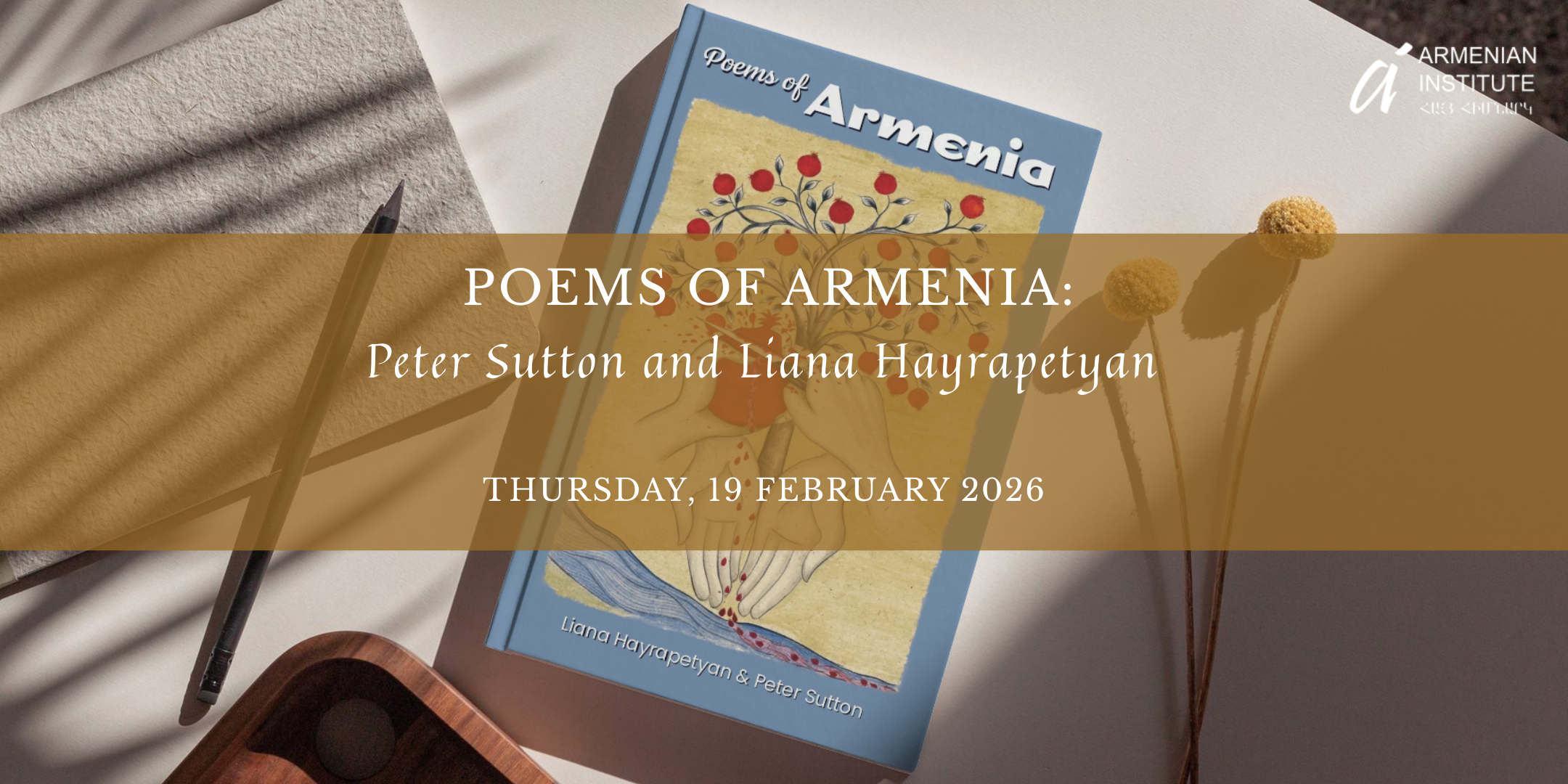
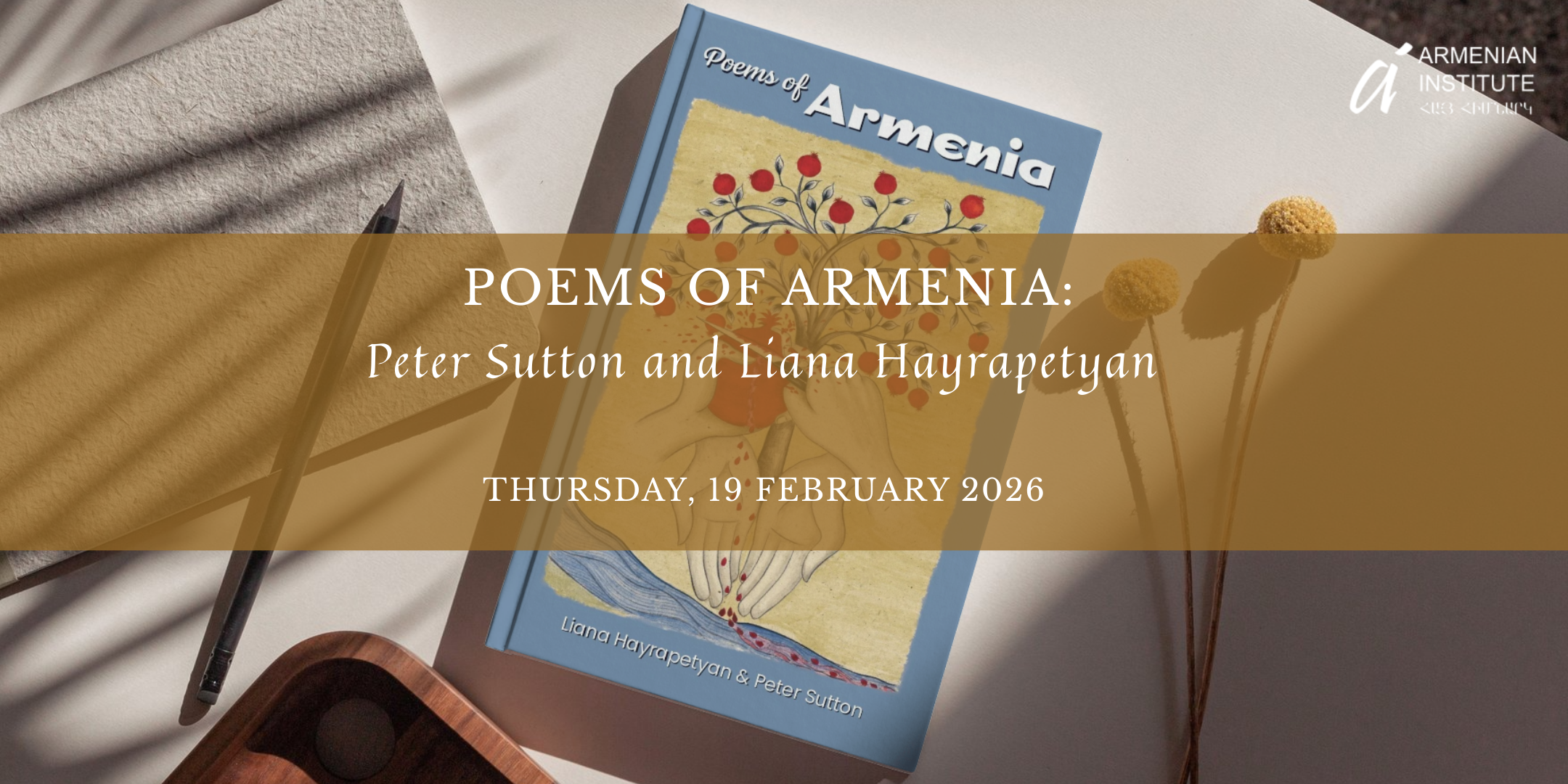
Peter Sutton and Liana Hayrapetyan: Poems of Armenia
Feb
19
6:30 pm18:30

Peter Sutton and Liana Hayrapetyan: Poems of Armenia

In their moving new collection, Liana Hayrapetyan and Peter Sutton’s distinct voices come together in a heartfelt conversation about time, memory, and homeland. Together they trace Armenia’s turbulent and often tragic history, expressing a deep love for its culture. Their alternating poems—different in style, yet strongly connected—both blur and highlight the lines between past and present.

Come join them online to hear them read some excerpts and talk about their work. In this event, they will also expand the discussion into visual art, and the work of illustration that accompanies their written words.

About the Speakers

Liana Hayrapetyan is an artist, educator and business professional who has lived in five countries and writes poetry in three languages. In addition to her multiple qualifications, she studied film at the University of West London and subsequently taught an MSc Creative Media Start-up. She has taught film entrepreneurship students at Ealing Studios and currently leads an MSc in Finance and Sustainability, with a strong emphasis on creativity as a driver of innovation. Her short films have appeared in festivals and she has organised poetry events.

Peter Sutton taught English at Yerevan University during the Soviet period, since when he has remained a friend of the country. He is also a former Head of Publications at the Unesco Institute for Education in Hamburg. His alliterative verse translation of the medieval epic Piers Plowman was published in 2014, and over 150 poems of his own have appeared in journals, anthologies and collections. He has read from his work at poetry events in the UK, Armenia, the US and New Zealand.

View Event →
British Library Display: Curator's Presentation
Feb
4
6:30 pm18:30

British Library Display: Curator's Presentation

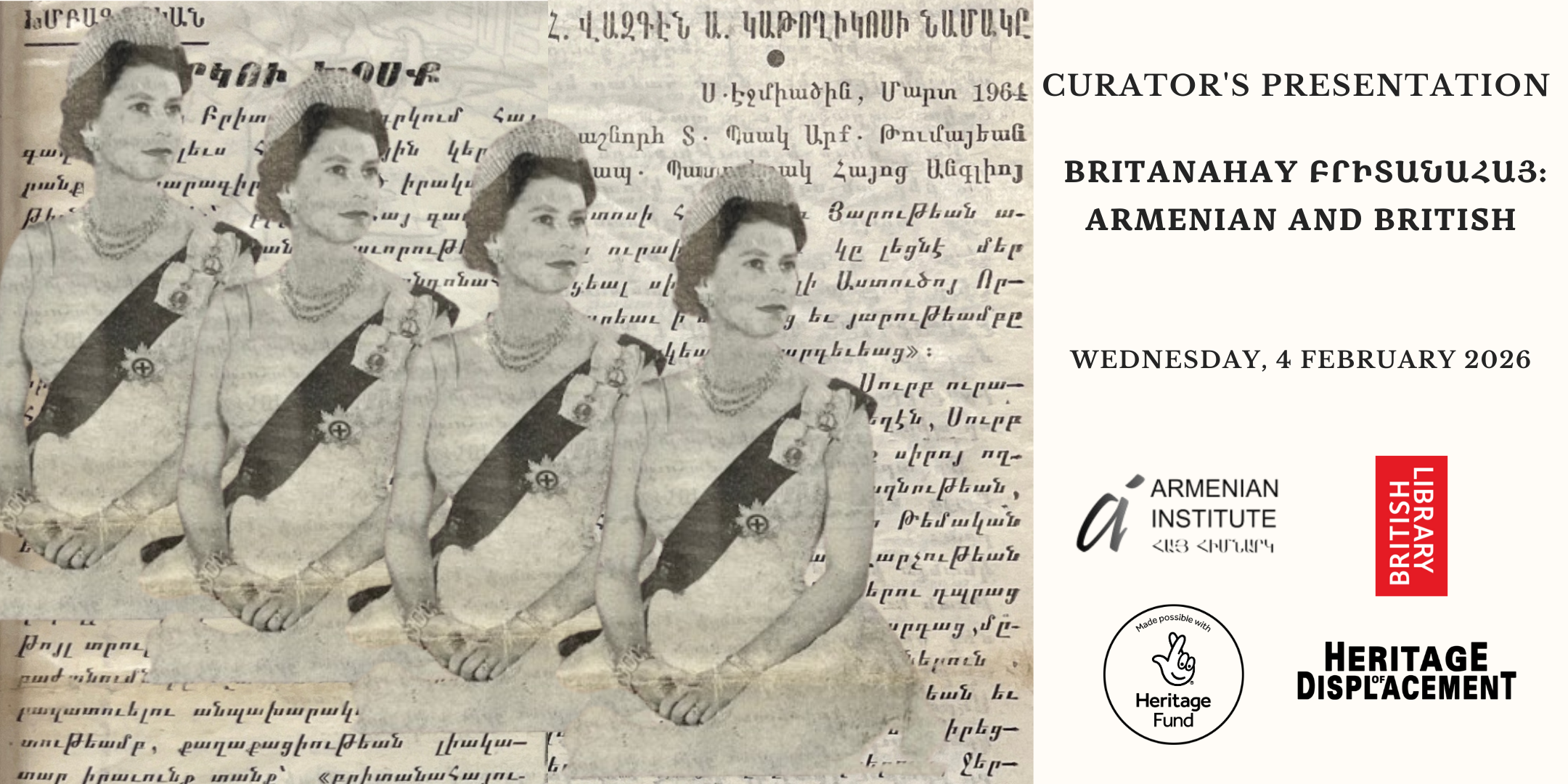
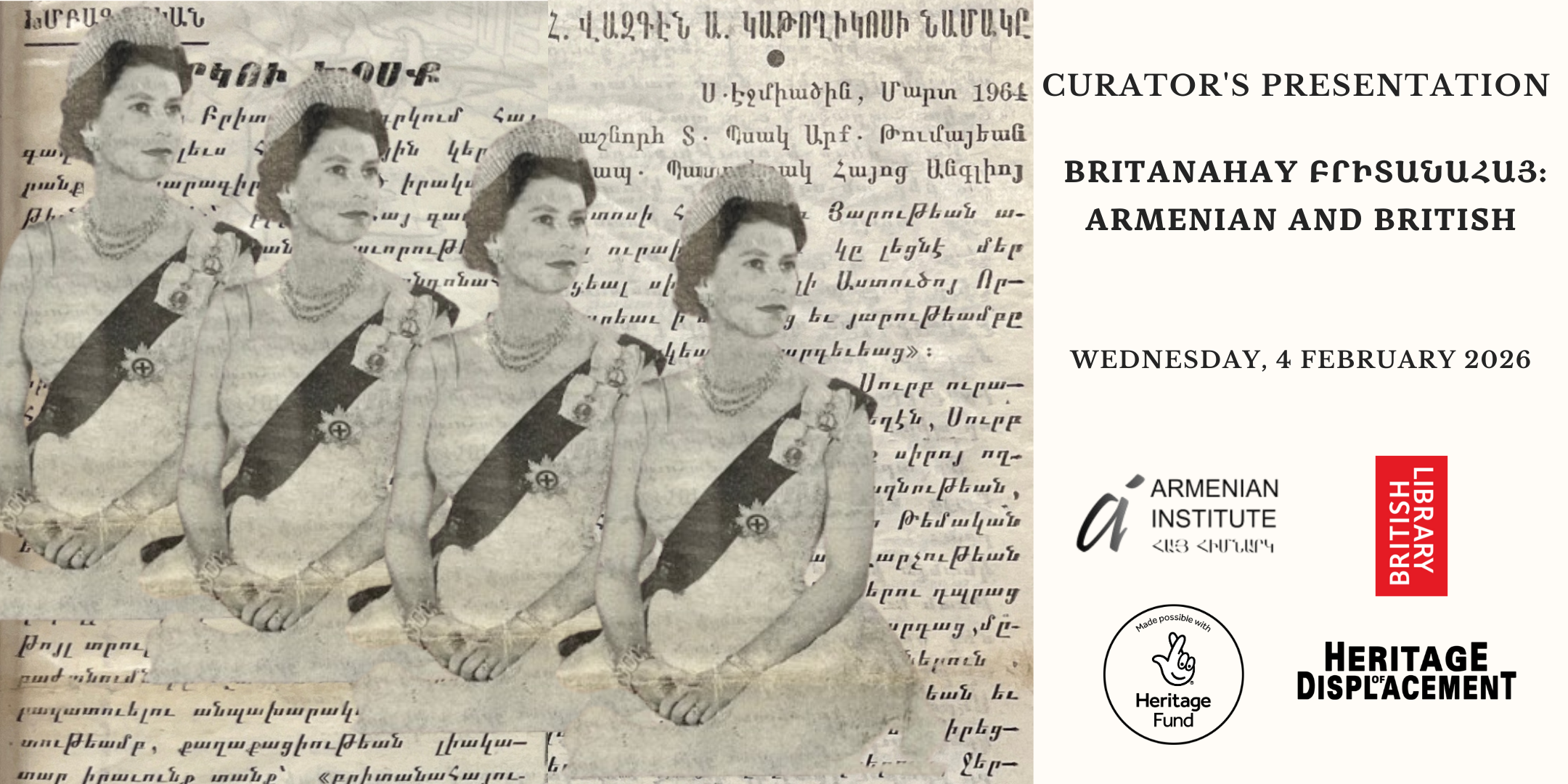
This is your last chance to discover the British Library’s display, Britanahay Բրիտանահայ: Armenian and British, through an exclusive presentation by its curator, Michael Erdman. Our two previous guided tours in the autumn were fully booked and sparked huge interest, so don't miss the opportunity to attend, as the display will end on 22 February 2926. This remarkable showcase brings together printed works and manuscripts from the Library’s collection, illuminating centuries of British-Armenian connections. Enriched with gripping audio clips from the Armenian Institute’s Heritage of Displacement oral history project, the display offers a vivid encounter with voices, histories, and traditions that continue to shape our shared heritage.

Meet at 6:30pm in the British Library foyer.

This event is part of Heritage of Displacement: Oral Histories from the UK Armenian Communities (2023–2026), funded by a National Lottery Heritage Fund grant, thanks to National Lottery players.

This event coincides with the British Library display, Britanahay Բրիտանահայ: Armenian and British (27 September 2025 - 22 February 2026).

About the Curator

A former diplomat with Global Affairs Canada, Michael Erdman completed his PhD on Turkic historiography at SOAS in 2018. As Head of Middle Eastern and Central Asian Collections at the British Library, Michael takes a deep interest in publishing and printing cultures in Turkophone and Kurdophone communities, as well as 19th and 20th century historiography across Eurasia.

Blog: https://fromaltaytoyughur.blog

View Event →
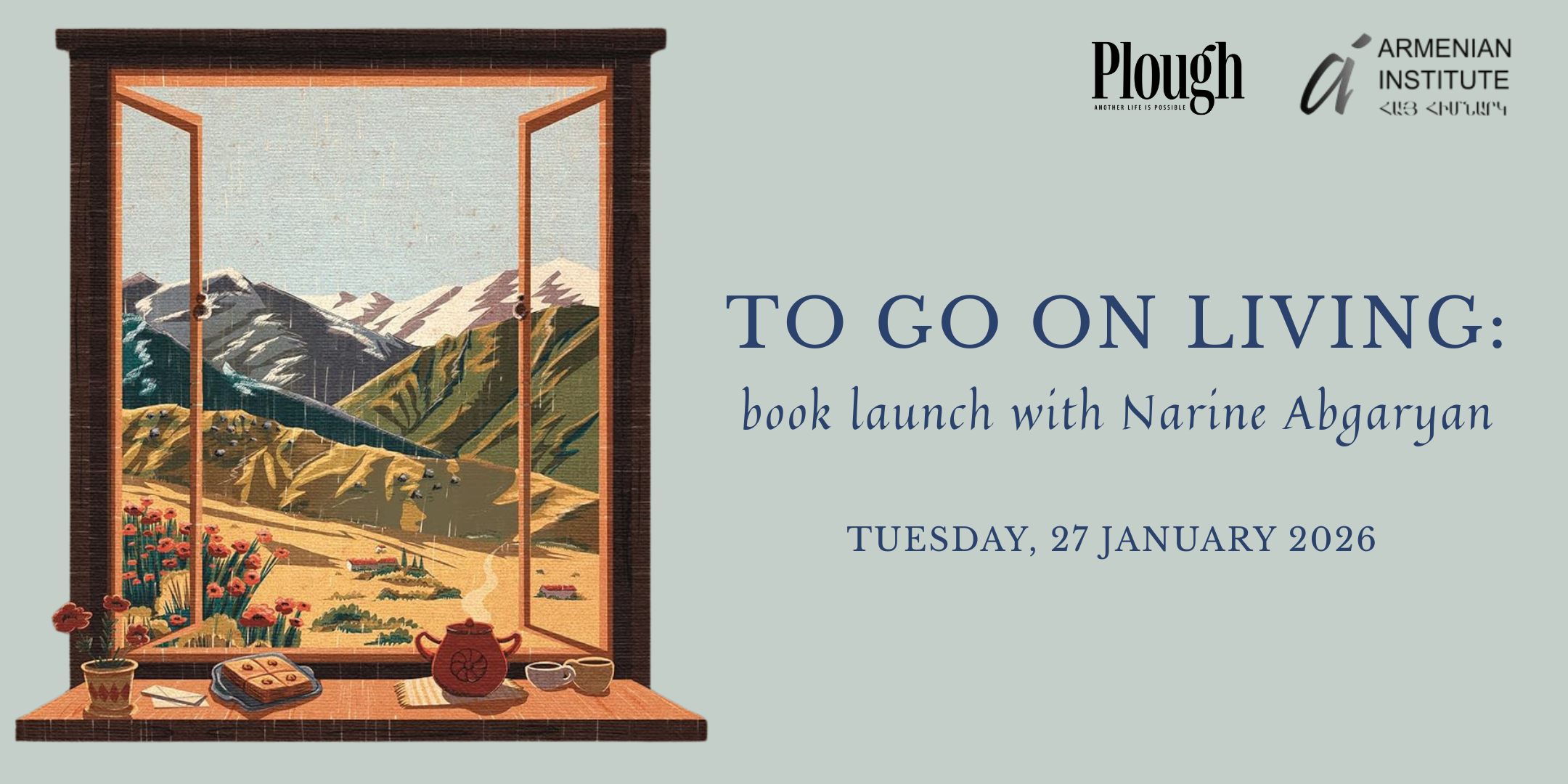
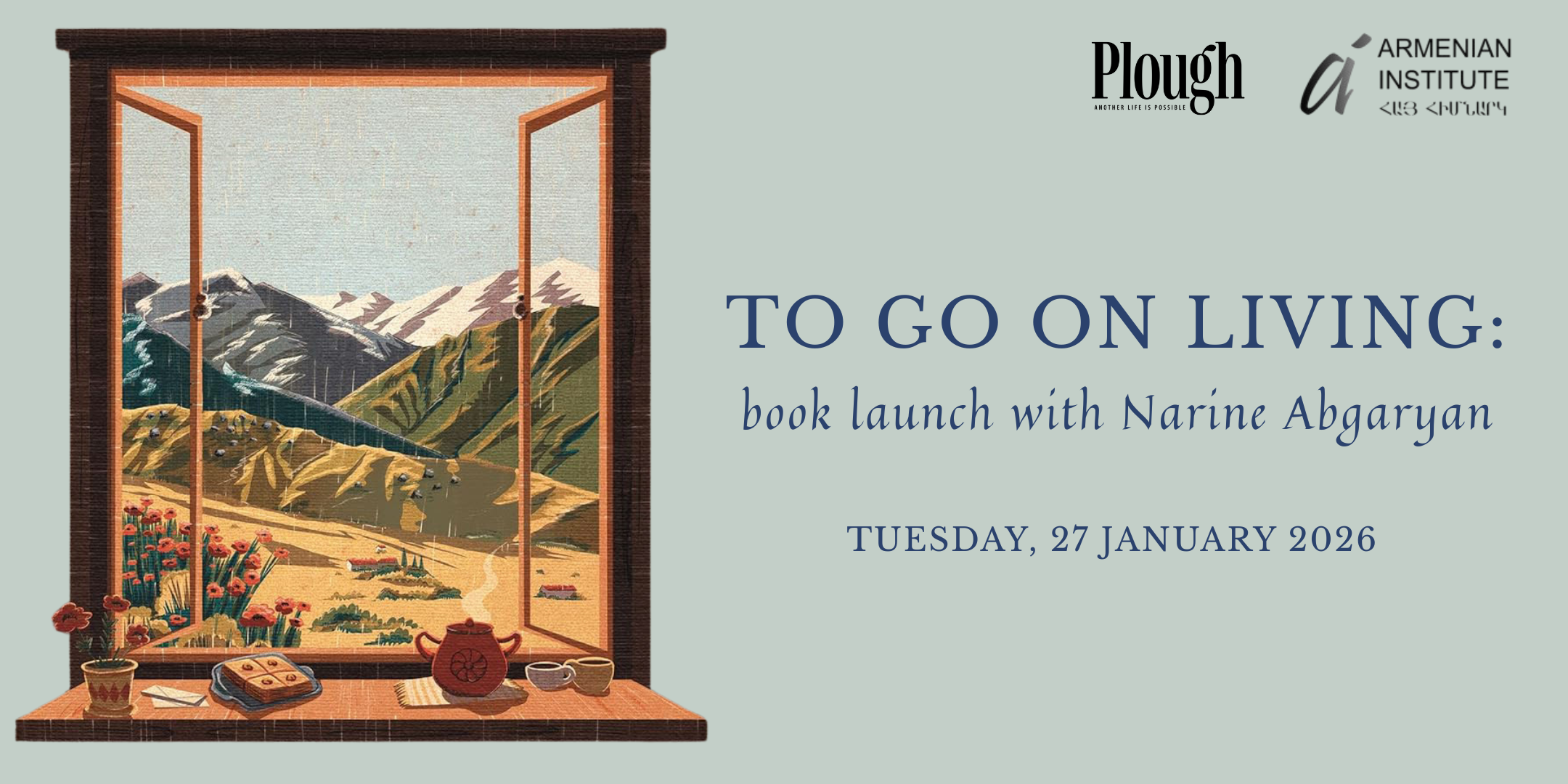
To Go On Living: book launch with Narine Abgaryan
Jan
27
6:30 pm18:30

To Go On Living: book launch with Narine Abgaryan

Join us on 27 January 2026 to hear internationally renowned author, Narine Abgaryan, speak about her recently published collection of stories, To Go On Living. Published in the UK by Plough in June 2025, these thirty-one linked short stories trace the interconnected lives of villagers in an Armenian mountain village immediately after the conflict between Armenia and Azerbaijan in the early 1990s. Abgaryan’s stories, written in her signature style that weaves elements of Armenian folk tradition into her prose, focus on how, in the war’s aftermath, the survivors work, as individuals and as a community, to find a way forward.

She will be in conversation with Plough Books Editor Joy Clarkson and will speak in Armenian, with her speech translated into English by interpreter Zepyur Batikyan.

This event is held in collaboration with Plough Publishing.

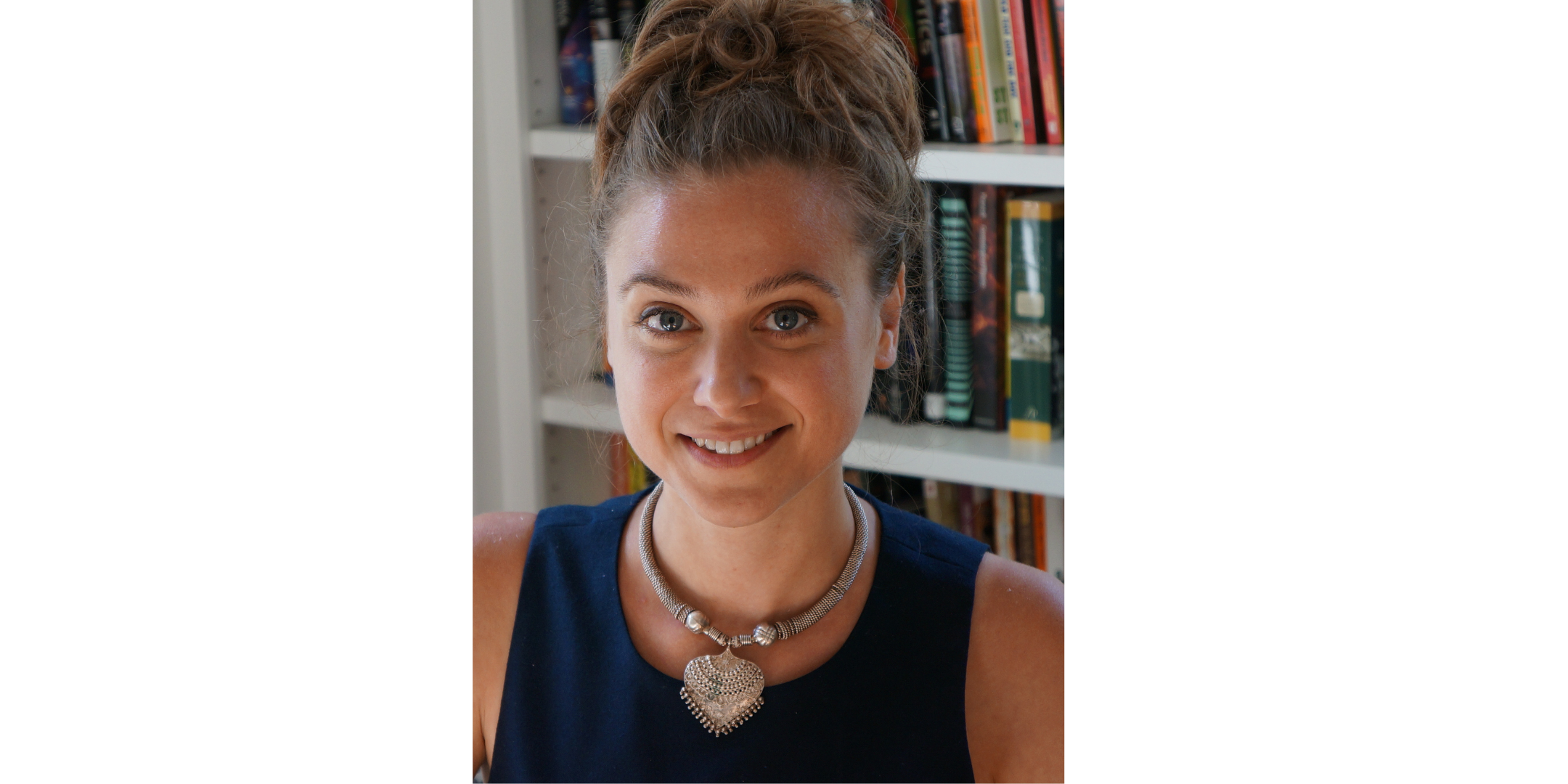
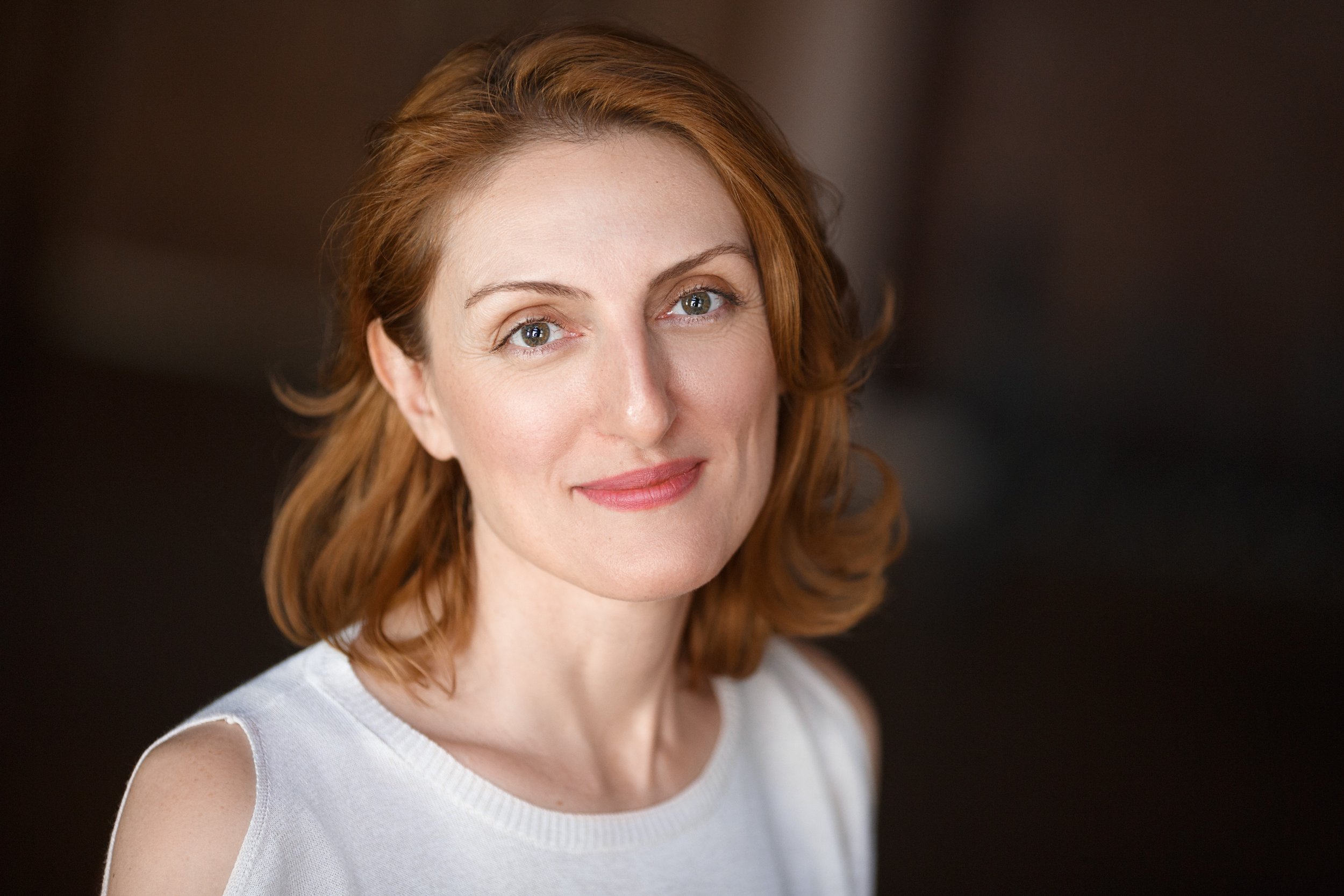
Image Credit: Maretta Aivazian

JOIN US ONLINE!

About the Speakers

Narine Abgaryan was born in 1971 in Berd, Armenia, to a doctor and a school teacher. Named one of Europe’s most exciting authors by the Guardian, she is the author of a dozen books, which have collectively sold over 1.35 million copies. Her book Three Apples Fell From the Sky (Oneworld, 2020) won the Leo Tolstoy Yasnaya Polyana Award and an English PEN Award, and has been translated into 27 languages. Her award-winning trilogy about Manunia, a busy and troublesome 11-year-old, has been made into a TV series. Abgaryan divides her time between Armenia and Germany.

Joy Marie Clarkson holds a PhD in theology from the Institute for Theology and the Arts at the University of Saint Andrews. She hosts Speaking with Joy, a popular podcast about art, theology, and culture, and writes books, including her most recent You Are A Tree: And Other Metaphors to Nourish Life, Thought, and Prayer (February 2024). She is a bird watcher, a book collector, and a passionate evangelist for Yorkshire Gold tea.

Zepyur Batikyan is a professional interpreter and translator with over 20 years of experience across diverse fields and institutions. Her work has taken her from courts, prisons, hospitals, and public services in the UK to high-level engagements with the UK Parliament, Armenian Ministries, and the President of Armenia. For the past decade, she has also served as an Armenian & Russian language trainer at the UK Foreign, Commonwealth & Development Office, preparing British diplomats for overseas postings. Fluent in Armenian, Russian, English and Spanish, Zepyur bridges languages and facilitates understanding between cultures.

View Event →
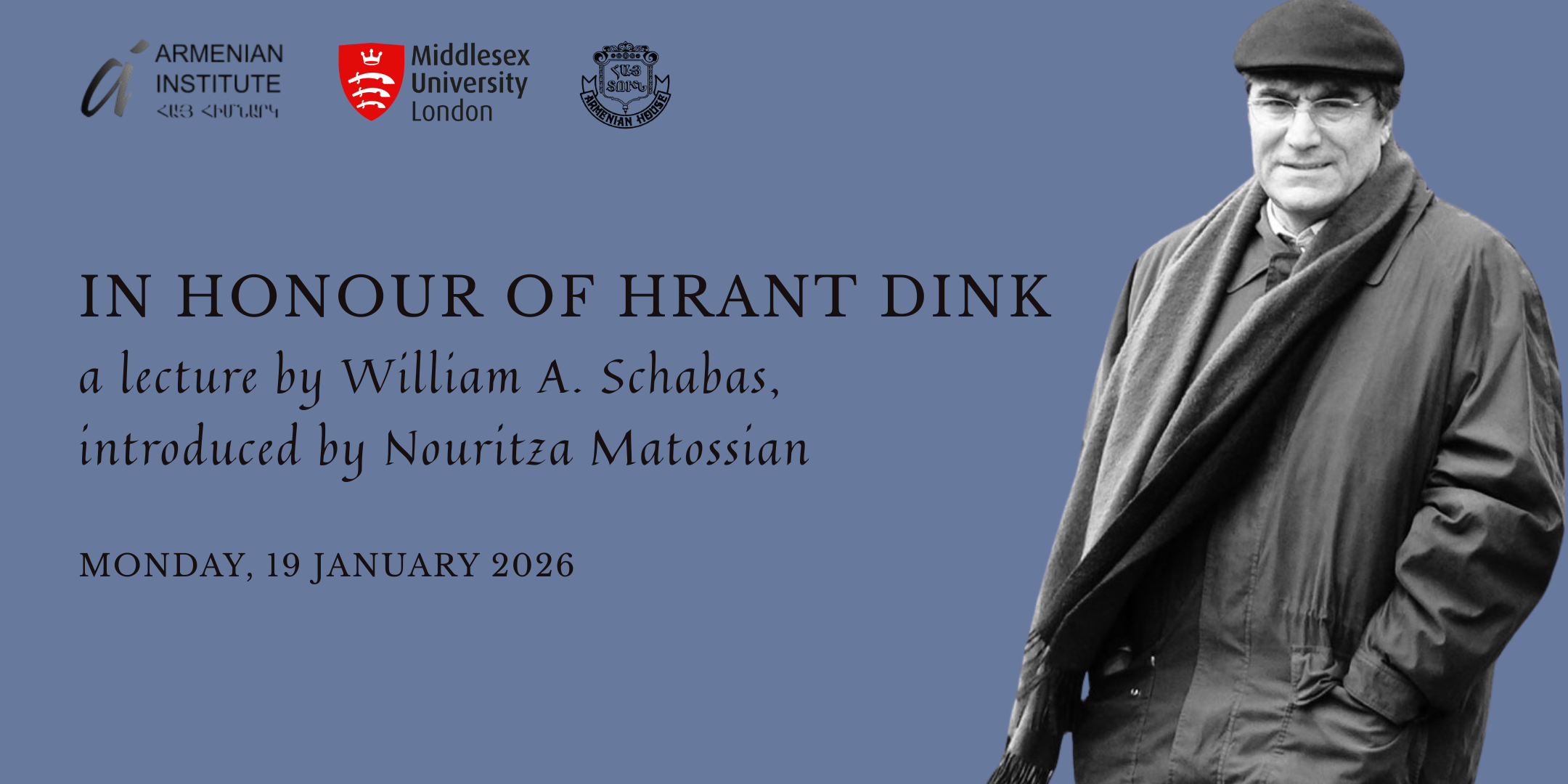
In Honour of Hrant Dink - a lecture by William A. Schabas, introduced by Nouritza Matossian
Jan
19
6:30 pm18:30

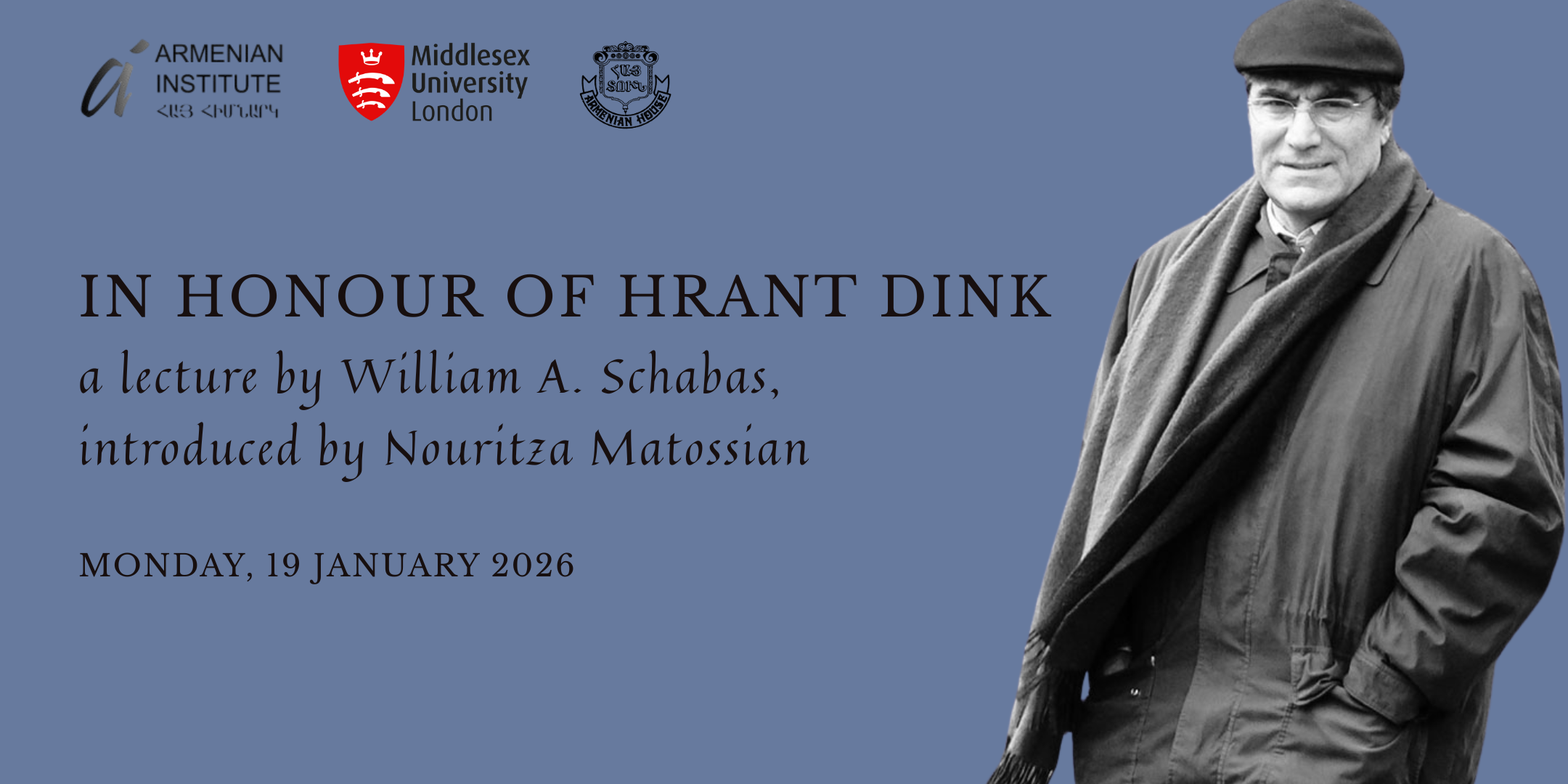
In Honour of Hrant Dink - a lecture by William A. Schabas, introduced by Nouritza Matossian

Join us as we mark the 19th anniversary of the assassination of Hrant Dink, the Armenian-Turkish editor of the newspaper Agos and a courageous human rights advocate. His writings, TV appearances and public speaking in various countries powerfully challenged nationalist narratives. He was murdered in broad daylight on January 19, 2007.

Although an Istanbul court issued multiple life sentences last year, the verdict still falls short for Dink’s family, who continue to seek closure. Meanwhile, the Hrant Dink Foundation carries forward his international legacy by promoting equal rights, dialogue, and democratic values across communities.

We invite you to honour Hrant Dink’s life and ideals at our annual commemoration, marked this year by a lecture by the renowned professor of international law William A. Schabas, author of the reference title Genocide in International Law.

There are hearings underway before the International Court of Justice concerning charges of genocide committed in Myanmar. This is the first of four such cases filed pursuant to the Genocide Convention of 1948. Some 80 years after its adoption, the Convention finds itself at the centre stage of debates about international law, and at a time when some say that the existence of international law itself is threatened. The talk will review the latest developments in the law governing genocide, the consequences for the future, but also for the past.

We’re looking for volunteers to help us set up: email erica@armenianinstitute.org.uk if you’re interested, in exchange for a free spot!

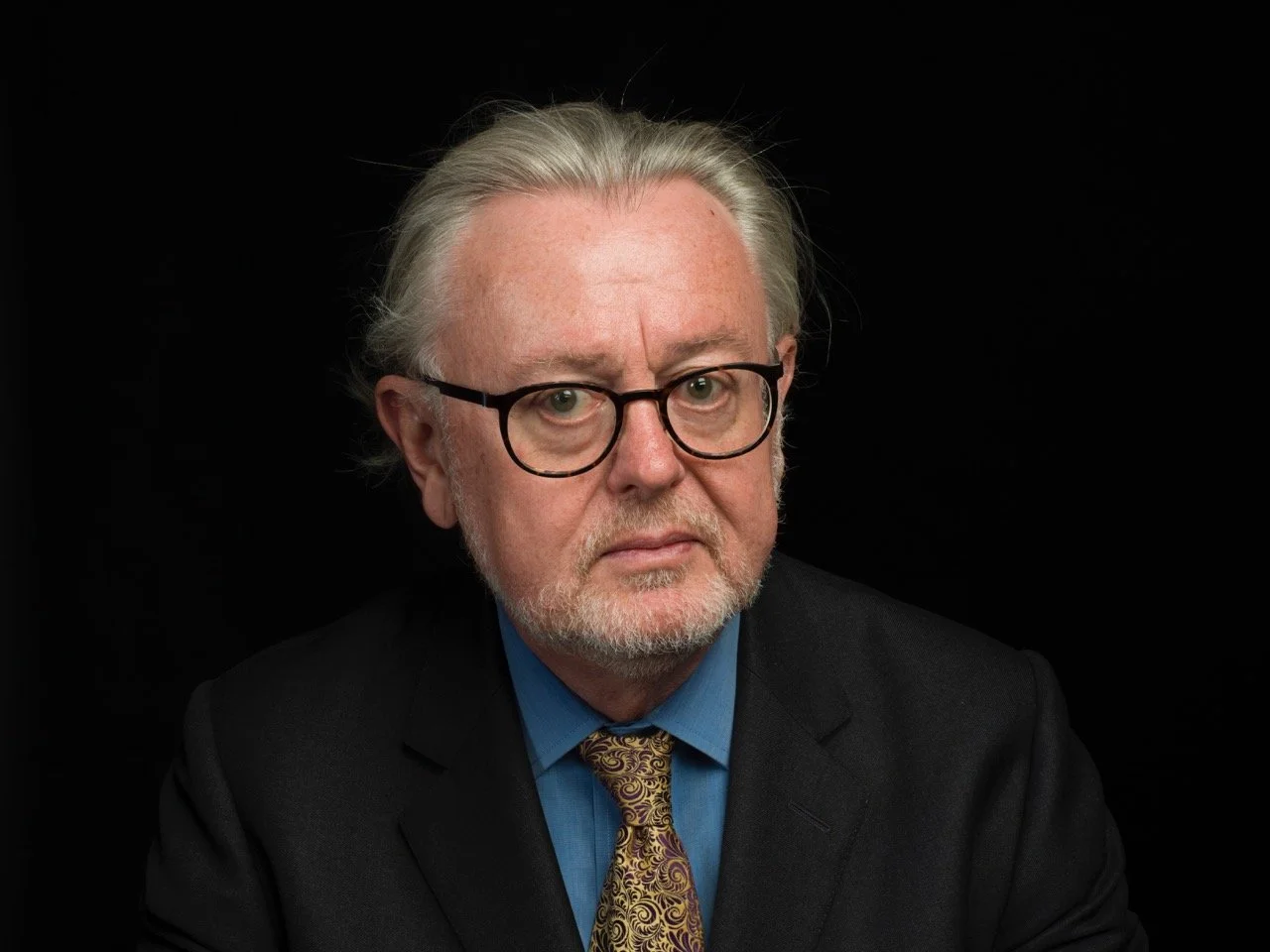
William A. Schabas is professor of international law at Middlesex University in London, emeritus professor at Leiden University and the University of Galway, distinguished visiting faculty at the Paris School of International Affairs, Sciences Po, and an associate tenant at 9BR barristers’ chambers in London. The third edition of his book Genocide in International Law was published in February 2025. He has appeared as counsel before the International Court of Justice and the Grand Chamber of the European Court of Human Rights in cases involving the Genocide Convention. Professor Schabas is an Officer of the Order of Canada and a member of the Royal Irish Academy. In 2014 he served as chairman of the UN Commission of Inquiry into the Gaza conflict.

View Event →