
You are warmly invited to join us for a special afternoon at the Ancient India and Iran Trust in Cambridge.
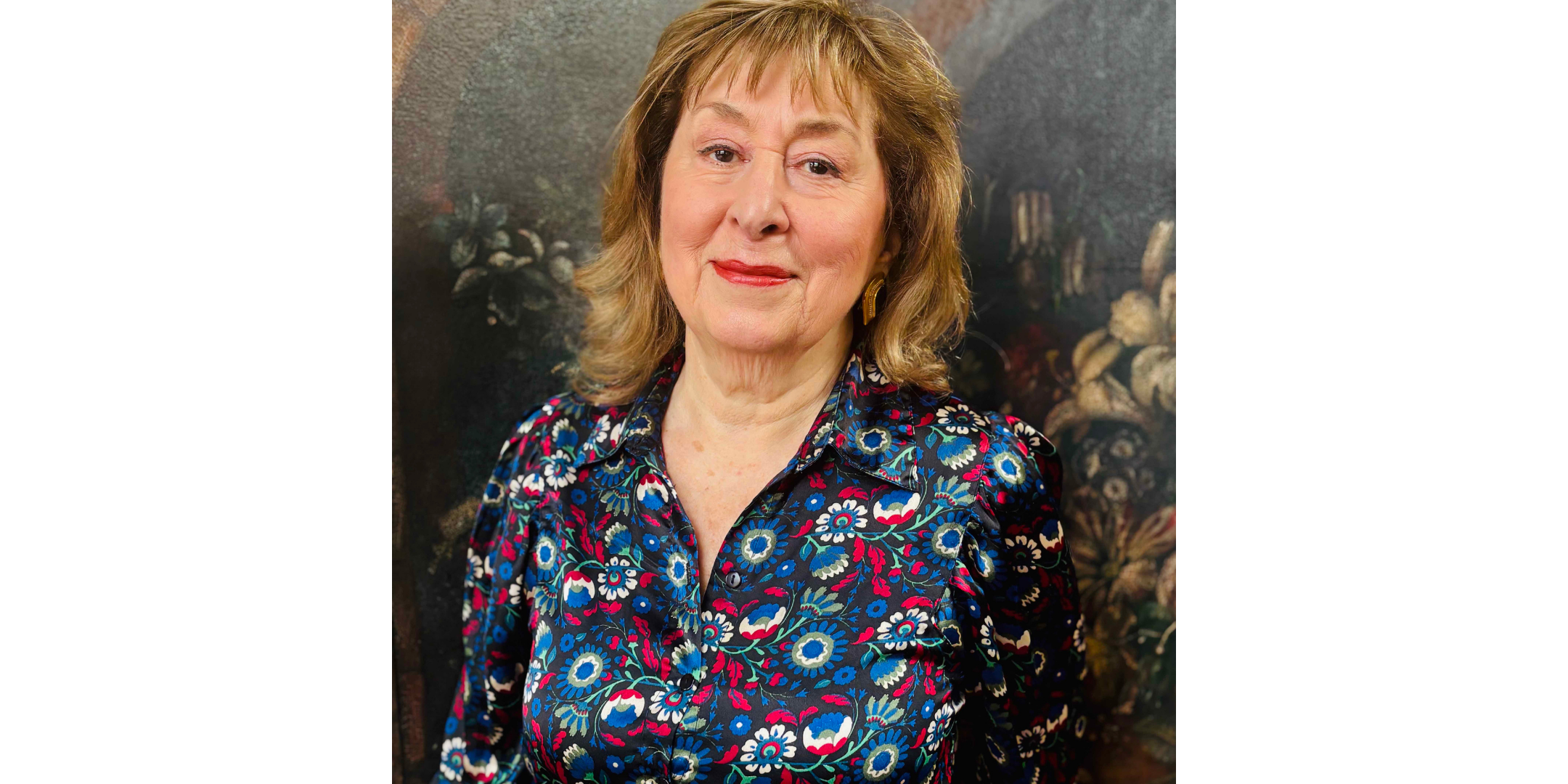
The programme will start with an introduction by Nouritza Matossian on Ruth Keshishian and her life, immersed in the world of books, art, and friendship. It will be followed by a discussion on the influence of Armenian manuscripts and the Aghtamar frescoes in the work of Arshile Gorky. The event will continue with a lecture by Dr Vazken Khatchig Davidian on the work of Armenian artist Sarkis Katchadourian (1886-1947), who from the 1920s to the 1940s took inspiration from seventeenth-century fresco and mural paintings from Isfahan in Iran, as well as ancient Buddhist, Jain and Hindu wall paintings in Indian and Sri Lankan cave complexes including Ajanta, Badami, Bagh and Sigiriya.
This will be followed by a rare opportunity to look closely at the Trust’s collection of Armenian manuscripts. In the company of distinguished experts, you will explore these precious volumes up close, and gain insight into their provenance, exceptional artistry, and growing significance to the study of Armenian manuscripts. Speakers include the Trust’s Honorary Librarian, Dr Ursula Sims-Williams, Lead Curator of Iranian Collections at the British Library; Dr Erin Piñon, art historian and operations manager at the Armenian Institute; and art historian Tatevik Davtyan.
We will end with a garden party in the charming gardens of the Trust's historic home in Cambridge. Enjoy an afternoon of conversation, light refreshments, and convivial company against a backdrop inspired by the timeless beauty of Persian and Indo-Persian garden traditions.
This event forms part of a new series dedicated to exploring Armenian manuscripts and material heritage in lesser-known UK collections. The Armenian Institute is pleased to partner with the Ancient India and Iran Trust for its inaugural off-site show-and-tell session.
This event series honours the memory of the late Ruth Keshishian, a lover of books, archives, researchers, and intellectual life, and dear friend and supporter of the Armenian Institute.
Speakers
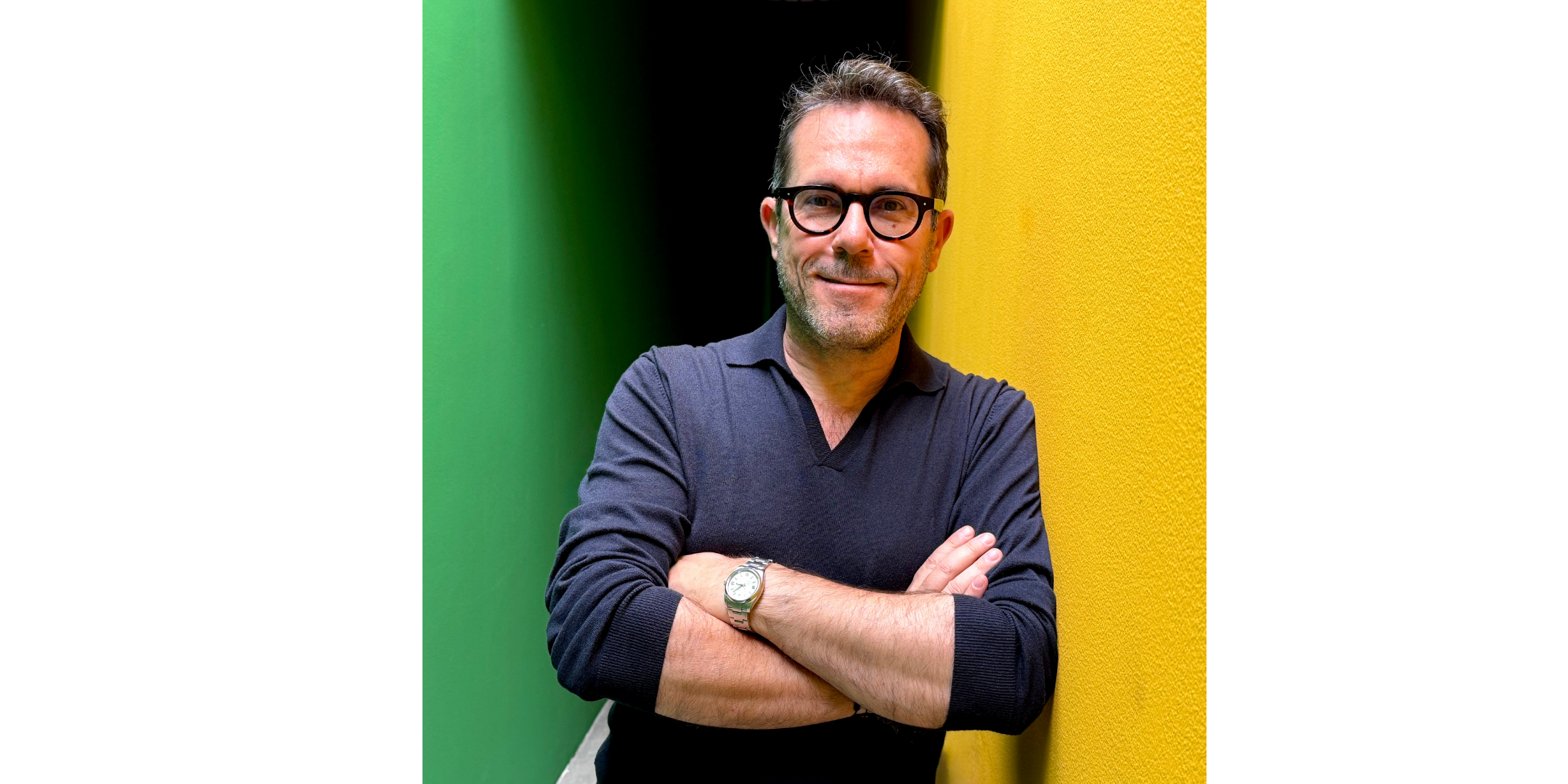
Vazken Khatchig Davidian is an Associate Faculty Member and Research Fellow at the Department of Asian and Middle Eastern Studies (formerly Oriental Studies), University of Oxford. He defended his doctoral thesis (The Figure of the Bantoukhd Hamal of Constantinople: Late Nineteenth-Century Representations of Migrant Workers from Ottoman Armenia) in art history at Birkbeck College, University of London in 2019. As Calouste Gulbenkian Fellow in Armenian Studies, and Nubar Pacha Scholar, Davidian was the holder of two postdoctoral positions at the University of Oxford. He is, with Boris Adjemian, co-editor-in-chief of the journal Études arméniennes contemporaines published by the Bibliothèque Nubar (AGBU), Paris. Davidian is the author of several articles on Ottoman Armenian art and cultural history and is currently completing a monograph based in part on his doctoral dissertation entitled Art, Realism and the Politics of Social Reform: Reading Late Nineteenth-Century Visual Representations of Ottoman Armenian Subalterns.
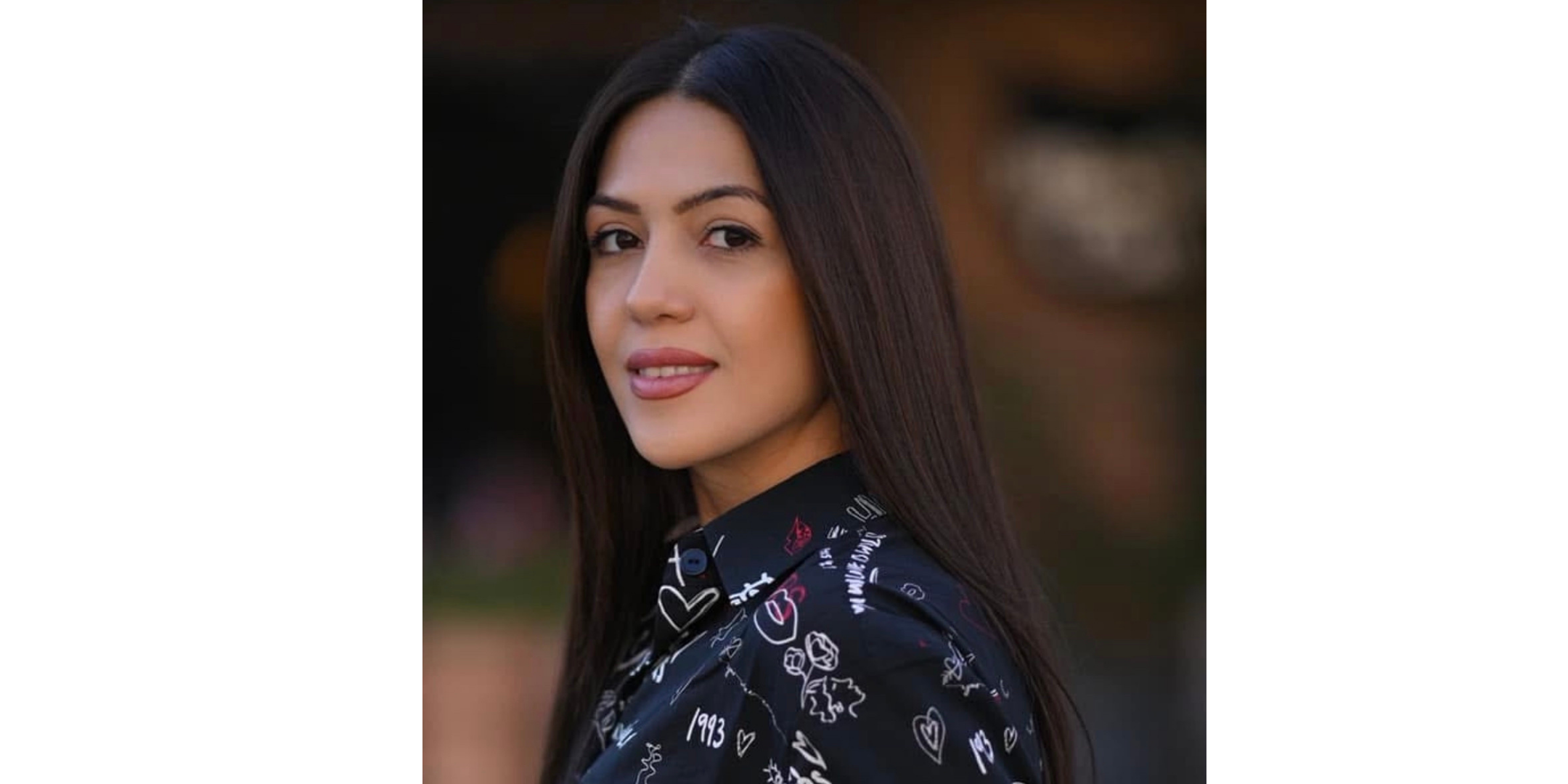
Tatevik Davtyan is an Art Historian holding an MA in Art History from Yerevan State University, where she specialised in Armenian art history under the UNESCO Chair programme. Tatevik combines her subject expertise with extensive experience in sales leadership and client advisory roles within the heritage sector. As Internal Sales Manager at Conservation By Design, she works closely with museums, galleries, libraries, and archives to provide tailored guidance on collection storage, preservation solutions, and best practice in collections care.
Ursula Sims-Williams is Lead Curator of Persian at the British Library and Honorary librarian and Trustee of the Ancient India and Iran Trust. She has published extensively on the manuscript cultures of Pre-Islamic Iran and Central Asia, Zoroastrianism and Islamic India and is currently co-investigator in the British Institute of Persian Studies Research Project: Persian Manuscripts between East and West: Britain, India and the Circulation of the Persianate Literary Heritage.
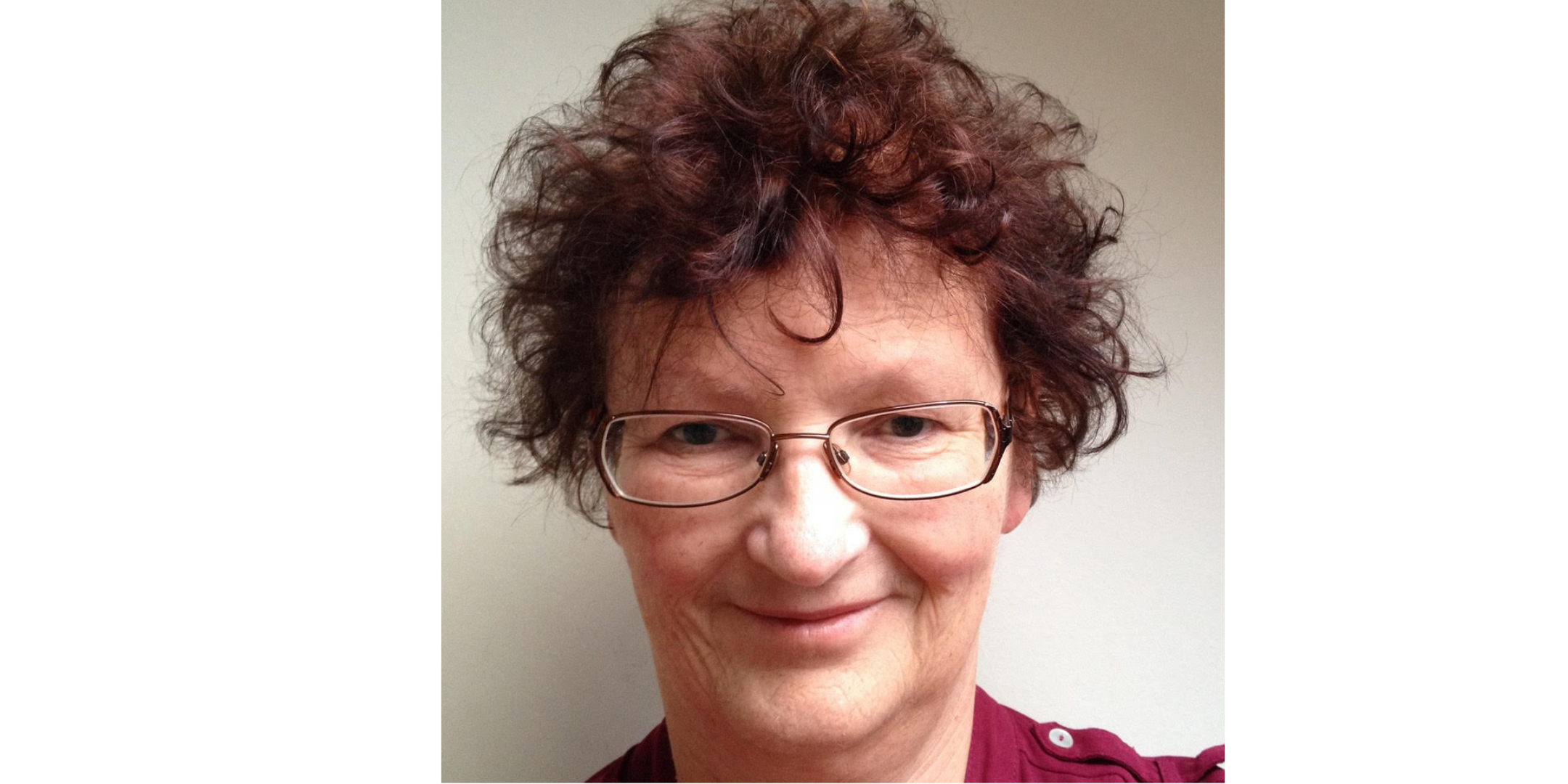
Erin Piñon is an art historian specializing in early modern Armenian book arts, spanning cultural networks from Europe to Asia. She earned her PhD from Princeton University, where her work explored Armenian painting, translation, and ritual practices across Istanbul, Aleppo, and Isfahan. Her research on sixteenth- and seventeenth-century visual and material culture has appeared in the Metropolitan Museum of Art’s publications, the Journal of the Ottoman and Turkish Studies Association, West 86th Street, and the Journal of the Society for Armenian Studies, to cite a few. She has over a decade of experience working in museums, galleries, special collections, and archives.
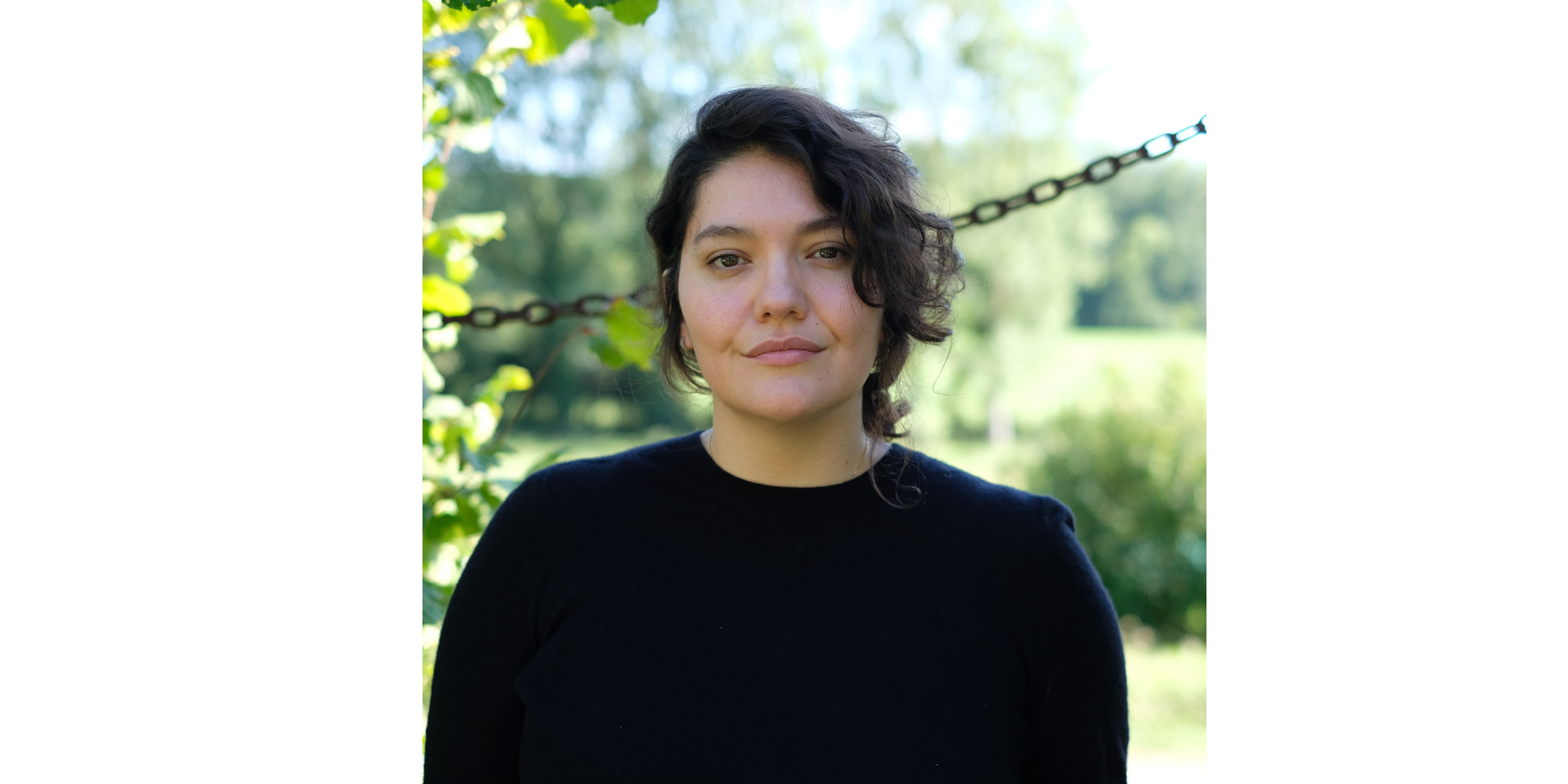
Nouritza Matossian is a writer, actor, film-maker, broadcaster and human rights activist. She was born in Cyprus, educated in the UK, speaks nine languages. She writes and lectures on the arts, contemporary music, and history of Armenia. Author of the first biography and critical study of the Greek composer Iannis Xenakis (1985), she adapted the book for a 50min BBC2 documentary, Something Rich and Strange (1991). Matossian was also the first writer to research and reveal the Armenian identity and traumatic genocide history of the American-Armenian artist in her biography, Black Angel, A Life of Arshile Gorky in 1998.
She created a one woman show, The Double Life of Arshile Gorky, playing over a hundred performances worldwide. Her book inspired director Atom Egoyan for his award-winning movie Ararat (2004) with the lead character based on Matossian. Matossian broadcasts on the BBC and contributes to several newspapers and magazines, including The Independent, The Guardian, The Economist, and The Observer. She was Honorary Cultural Attaché for the Armenian Embassy in London from 1991-2000. Public’s Prize at the Toronto Pomegranate Film Festival 2008, Director, Armenian Institute, London 2015-2017 and active member of English PEN, UK.